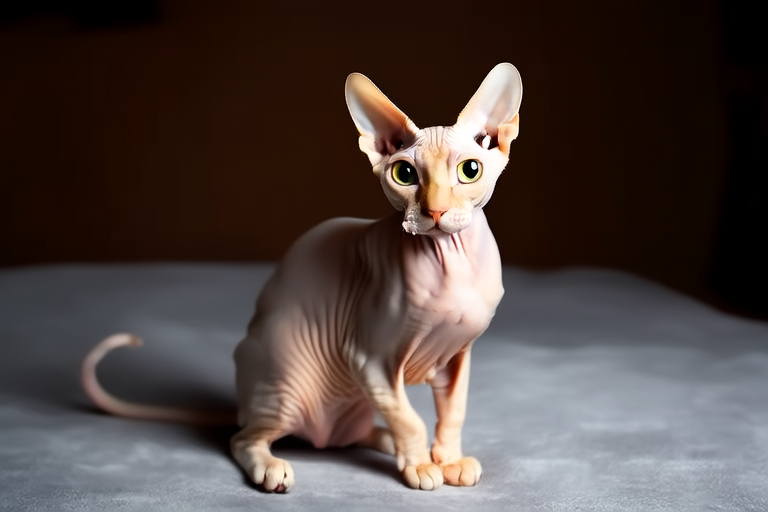
Unraveling the Mystery Behind the Devon Rex’s Unique Coat
The Devon Rex is a breed of cat known for its distinctive appearance, particularly its short, curly coat that sets it apart from other feline companions. Originating from Devon, England, in the mid-20th century, this breed has gained significant popularity due to its playful demeanor and striking looks. The story of the Devon Rex begins in the 1960s when a curly-coated tomcat named Kirlee was discovered near Buckfastleigh in Devon. Kirlee’s offspring inherited his unusual coat, leading to the development of the breed recognized today.
Devon Rexes are often described as having a pixie-like appearance, with large, expressive eyes, prominent cheekbones, and ears that are both wide-set and large. Their most notable feature, however, is their coat, which is short, soft, and wavy. This unique coat texture makes the Devon Rex stand out among other cat breeds and has contributed to its growing popularity worldwide. Despite their relatively recent origin, Devon Rexes have become beloved pets for those who appreciate their charming personalities and distinctive appearance.
Genetic Factors Behind the Devon Rex’s Coat
The distinctive coat of the Devon Rex is primarily attributed to a genetic mutation. Unlike other curly-coated breeds such as the Cornish Rex, which also have a gene responsible for their curly fur, the Devon Rex’s coat is the result of a different genetic anomaly. Scientists have identified that the Devon Rex’s curly coat is linked to a recessive gene mutation on chromosome 3. This mutation causes the hair shaft to be shorter than usual, resulting in the characteristic crimped appearance.
Research into the genetic basis of the Devon Rex’s coat has provided valuable insights into the complexity of mammalian coat genetics. Studies have shown that the specific gene mutation responsible for the Devon Rex’s coat is distinct from those found in other curly-coated breeds. This discovery underscores the importance of genetic diversity within cat populations and highlights the role of genetic mutations in creating unique physical traits.
Grooming Needs and Health Considerations
The unique coat of the Devon Rex presents some interesting grooming needs and health considerations. Due to the shorter length of their hair, Devon Rexes generally require less frequent brushing compared to long-haired breeds. However, their curly coat can still trap dander and other allergens, making regular grooming essential for maintaining their hygiene and reducing potential allergen exposure.
Owners of Devon Rexes should pay attention to their skin health, as the reduced length of their hair can sometimes lead to dryness or irritation. Providing a balanced diet rich in fatty acids can help maintain healthy skin and coat. Additionally, regular veterinary check-ups are crucial to monitor for any potential issues related to their unique coat, such as dermatitis or infections.
Interaction with Allergens
One of the most intriguing aspects of the Devon Rex’s coat is its interaction with allergens. While many people believe that curly-coated cats are hypoallergenic, scientific evidence suggests otherwise. The primary allergen associated with cat allergies is a protein called Fel d 1, which is produced by glands in the cat’s skin and saliva. The amount of Fel d 1 present in a cat’s environment is influenced by several factors, including grooming habits and coat density.
Studies have shown that Devon Rexes produce similar levels of Fel d 1 compared to other cat breeds. However, their shorter coat may result in less dander dispersal, potentially reducing allergen exposure in certain environments. It is important for potential owners to consider this information alongside other factors, such as personal allergy sensitivities and living conditions, before deciding whether a Devon Rex would be suitable for their household.
Comparison with Other Cat Breeds
To fully appreciate the uniqueness of the Devon Rex’s coat, it is helpful to compare it with other cat breeds. The Cornish Rex, another breed known for its curly fur, shares some similarities with the Devon Rex but has a distinctly different coat structure. While the Cornish Rex’s coat is composed entirely of down hairs, giving it a plush, velvety texture, the Devon Rex’s coat retains guard hairs, resulting in a more rugged appearance.
Another point of comparison is the Sphynx breed, which lacks fur altogether. Although Sphynx cats are often considered hypoallergenic due to their lack of hair, they still produce Fel d 1 and require special care to prevent skin issues. In contrast, Devon Rexes, while not truly hypoallergenic, offer a balance between low dander and manageable grooming needs, making them an attractive option for some allergy sufferers.
The Importance of Understanding Genetics for Owners and the Feline Community
Understanding the genetics behind the Devon Rex’s coat is crucial for several reasons. For potential owners, knowledge of the breed’s genetic makeup can inform decisions about care, breeding, and health management. By being aware of the genetic factors influencing the coat, owners can better anticipate and address potential health concerns, ensuring a longer and healthier life for their pets.
From a broader perspective, studying the genetic basis of the Devon Rex’s coat contributes to our overall understanding of feline genetics. This knowledge can be applied to improve breeding practices, enhance the health of cat populations, and advance research into genetic disorders. Moreover, the study of genetic anomalies like those found in the Devon Rex can provide insights into human genetic conditions, facilitating medical advancements.
In conclusion, the Devon Rex’s unique coat is not only a source of fascination for cat enthusiasts but also a subject of scientific interest. By unraveling the mystery behind this breed’s distinctive appearance, we gain valuable insights into the complex world of genetics and its implications for both feline and human health. Whether you’re a devoted Devon Rex owner or simply a curious observer, the story of this breed offers a captivating glimpse into the wonders of nature and science.
