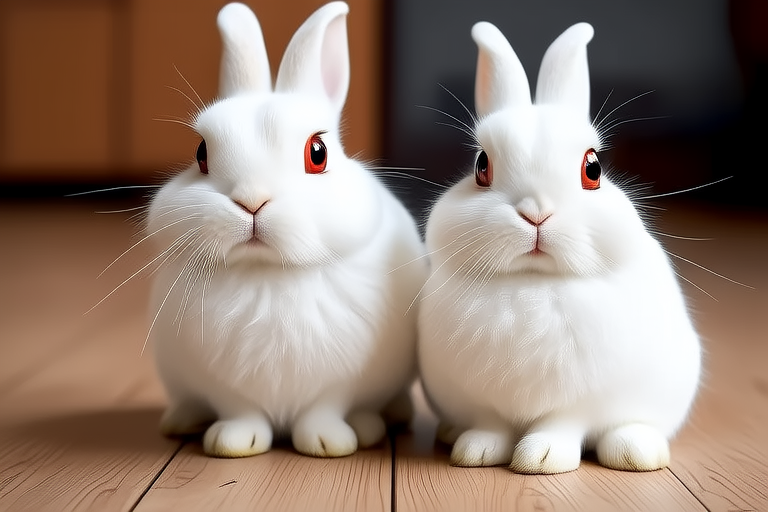
Hotot Rabbits: The Pearl-Eyed Wonder
The Hotot rabbit is a breed known for its striking appearance, particularly its pearl-white eyes that give it an almost ethereal look. These rabbits have been captivating the hearts of animal lovers for decades. In this article, we will delve into the world of Hotot rabbits, exploring their unique features, origins, and what makes them such beloved pets.
Appearance and Size
Hotot rabbits are medium-sized animals, typically weighing between 3.6 and 4.5 kg (8 to 10 pounds). They have a compact, sturdy body with short, dense fur that feels soft and silky to the touch. Their most distinguishing feature is their bright white coat, which contrasts sharply with their black eye rings. These eye rings are perfectly symmetrical and encircle the eyes, giving the impression of pearls. This unique marking is the result of a genetic mutation that causes the pigmentation around the eyes to be darker than the rest of the coat. The contrast between the white fur and the black eye rings makes Hotots one of the most visually striking rabbit breeds.
Temperament
Hotot rabbits are known for their friendly and docile nature. They are generally easy to handle and tend to be very affectionate towards their owners. They enjoy being petted and often seek out human interaction. However, like all animals, each Hotot rabbit has its own individual personality. Some may be more outgoing and playful, while others might be more reserved. Despite these differences, most Hotots are gentle and make excellent companions for families looking for a calm and peaceful pet.
Origin and History
The Hotot rabbit breed was developed in France at the beginning of the 20th century by Eugenie Bernhard. She aimed to create a breed with a pure white coat and distinct black eye rings. Through selective breeding, she succeeded in producing rabbits that met her criteria. The name “Hotot” comes from the village of Hotot-en-Auge, located in Normandy, where the breed was first established. The Hotot rabbit was initially bred for meat production but quickly gained popularity as a show rabbit due to its unique appearance. Over time, it also became a favorite among pet owners who were drawn to its charming looks and friendly demeanor.
Becoming Popular as Pets
The Hotot rabbit’s distinctive appearance and gentle nature have made it a popular choice for pet owners worldwide. Its striking white coat and black eye rings make it stand out in any setting, whether it’s a backyard hutch or a spacious indoor living area. Additionally, Hotots are relatively low-maintenance compared to other rabbit breeds, making them an attractive option for those seeking a pet that requires minimal grooming. As word spread about the Hotot rabbit’s unique beauty and friendly disposition, more people began adopting these rabbits as household pets.
Care Tips
Diet
Proper nutrition is essential for maintaining your Hotot rabbit’s health and well-being. A balanced diet should consist primarily of hay, which provides necessary fiber for digestion. Fresh vegetables can also be included in small quantities, but avoid feeding too many fruits or high-sugar foods, as these can lead to obesity and dental issues. Pellets formulated specifically for rabbits should be offered sparingly, as they are calorie-dense and can cause weight gain if overfed.
Housing
Adequate housing is crucial for keeping your Hotot rabbit happy and healthy. If kept outdoors, ensure the hutch is weatherproof, predator-proof, and provides ample space for movement. Indoor rabbits require a large cage or pen with bedding material such as straw or shredded paper. Regardless of location, always provide a hiding spot or tunnel for your rabbit to retreat into when feeling stressed or threatened. Regular cleaning of the enclosure is important to prevent the buildup of bacteria and odors.
Exercise Needs
Rabbits need regular exercise to stay fit and mentally stimulated. Allow your Hotot rabbit supervised playtime outside its enclosure daily, ensuring there are no hazards present. Exercise balls or tunnels can also serve as entertaining toys that encourage physical activity. Mental stimulation through puzzles or foraging games helps keep your rabbit engaged and prevents boredom-related behaviors.
Health Concerns
Like all domesticated animals, Hotot rabbits are susceptible to certain health problems. Common issues include dental disease, respiratory infections, and digestive disorders. Regular veterinary check-ups are recommended to catch potential problems early. Proper diet and hygiene practices can help prevent many conditions. For example, providing plenty of hay ensures teeth remain healthy by promoting natural grinding action. Keeping the living environment clean reduces the risk of infection.
Anecdotes from Owners
Many Hotot rabbit owners share stories about their pets’ endearing personalities. One owner describes her Hotot as “the perfect companion,” noting how affectionate and playful he is. Another mentions that her rabbit enjoys lounging on her lap during quiet evenings. These anecdotes highlight the bond that can form between humans and their furry friends.
Conclusion
Hotot rabbits make ideal pets for the right family due to their beautiful appearance, gentle temperament, and relatively low maintenance requirements. Their unique pearl-white eyes set them apart from other breeds, making them a standout addition to any home. With proper care, including a nutritious diet, appropriate housing, and sufficient exercise, Hotot rabbits can thrive as cherished members of the household. Whether you’re looking for a friendly companion or simply admire their striking looks, consider welcoming a Hotot rabbit into your life.
