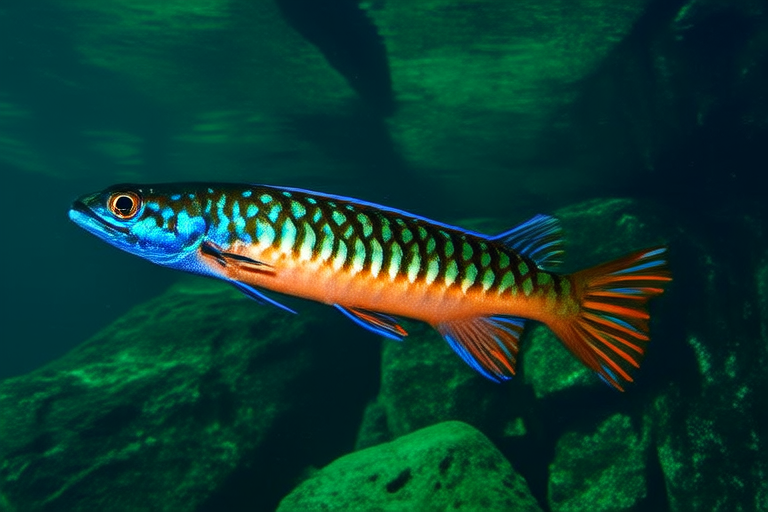
Rajah Cichlids: A Comprehensive Guide
The Rajah Cichlid (Vicaryella nigrofasciata) is a fascinating species of cichlid native to the Amazon River basin in South America. These fish are known for their striking appearance and complex behavior, making them a popular choice among aquarists. This guide will explore the unique characteristics, care requirements, and breeding habits of Rajah Cichlids, providing valuable information for both beginners and experienced aquarists.
Origin and Habitat
Rajah Cichlids originate from the Amazon River basin, where they inhabit slow-moving rivers, floodplains, and tributaries. They are found in regions of Brazil, Colombia, and Peru. The natural habitat of these fish is characterized by dense vegetation, soft sandy bottoms, and abundant hiding spots. Understanding the origins of Rajah Cichlids helps aquarists replicate their natural environment in home aquariums.
Unique Characteristics
Rajah Cichlids possess several distinctive features that set them apart from other cichlid species. Males typically reach a length of up to 8 inches (20 cm), while females are slightly smaller. Their body coloration ranges from silver to golden, with black stripes running along their sides. During spawning, both males and females develop vibrant colors, showcasing their beauty even more. One of the most striking features of Rajah Cichlids is their ability to change color based on their mood and environment, making them a captivating addition to any aquarium.
Care Requirements
Tank Setup
To ensure the well-being of Rajah Cichlids, it is crucial to provide an appropriate tank setup. A minimum tank size of 75 gallons (284 liters) is recommended for a single pair or small group. The tank should be decorated with driftwood, rocks, and plenty of live plants to mimic their natural habitat. Java fern, Anubias, and Cryptocoryne species are excellent choices for providing shelter and hiding spots. Additionally, a fine sand substrate is preferred as it closely resembles their natural environment and aids in maintaining water quality.
Diet
Rajah Cichlids are omnivorous and require a balanced diet to thrive. In the wild, they feed on insects, crustaceans, and plant matter. In captivity, they can be fed a variety of foods, including high-quality flake food, pellets, frozen and live foods such as brine shrimp, bloodworms, and daphnia. It is essential to offer a diverse diet to ensure optimal health and growth. Feeding should be done two to three times daily, with small portions to prevent overfeeding and maintain water quality.
Water Parameters
Maintaining stable water parameters is vital for the health of Rajah Cichlids. The ideal water temperature range is between 75°F and 82°F (24°C to 28°C). The pH level should be kept within the range of 6.0 to 7.5, reflecting the slightly acidic to neutral conditions of their natural habitat. Water hardness should be maintained at 5 to 12 dGH. Regular water changes of 20% to 30% weekly are necessary to keep the tank clean and promote healthy fish.
Behavior and Interaction with Other Fish
Rajah Cichlids are territorial and can become aggressive during spawning. They are generally peaceful towards other species when provided with ample space and hiding spots. However, it is advisable to house them with compatible species that are similar in size and temperament. Suitable tank mates include robust characins, catfish, and other large cichlids. Avoid housing them with smaller, more docile species that may become stressed or injured.
Breeding Habits
Breeding Rajah Cichlids requires careful planning and attention to detail. To encourage spawning, it is essential to provide a well-established tank with suitable hiding spots and a consistent water quality. The male and female will engage in courtship behaviors, including chasing each other and displaying vibrant colors. Once spawning occurs, the female will lay her eggs on a flat surface, such as a rock or broadleaf plant. Both parents take turns guarding the eggs and fanning them with their fins to ensure proper oxygenation. After approximately three days, the eggs hatch, and the fry remain attached to the substrate for another few days before becoming free-swimming. Providing infusoria and newly hatched brine shrimp as food for the fry is crucial for their survival and growth.
Common Health Issues
Like all fish, Rajah Cichlids are susceptible to various health issues. Some common problems include fin rot, ich, and bacterial infections. Fin rot is often caused by poor water quality and can be treated with medication specifically designed for this condition. Ich, a parasitic infection, manifests as white spots on the fish’s body and can be managed with appropriate treatments. Bacterial infections may result from stress or injury and can be addressed with antibiotics. Maintaining excellent water quality and monitoring the fish regularly can help prevent many health issues.
Tips for New Aquarists
For those new to keeping Rajah Cichlids, it is important to research thoroughly and prepare adequately. Starting with a well-maintained tank and understanding the specific needs of these fish is key to their success. Patience is also crucial, as Rajah Cichlids can be sensitive to changes in their environment. Providing a varied diet and ensuring compatibility with tank mates will contribute to a thriving community. Additionally, observing their behavior closely can offer insights into their well-being and any potential issues that may arise.
Interesting Facts
Rajah Cichlids are known for their unique parenting skills. Both parents are highly attentive to their offspring, defending them against potential threats and ensuring their safety. Another fascinating aspect of these fish is their ability to recognize individual members of their own species, even after long periods of separation. This cognitive ability showcases the intelligence of Rajah Cichlids and adds to their appeal as aquarium inhabitants.
In conclusion, Rajah Cichlids are a captivating species that offer both aesthetic and intellectual rewards for aquarists. Their striking appearance, complex behavior, and unique characteristics make them a standout choice for those interested in keeping cichlids. By understanding their origin, care requirements, and breeding habits, aquarists can provide the best possible environment for these remarkable fish. Whether you are a beginner or an experienced aquarist, Rajah Cichlids are sure to bring joy and fascination to your aquatic journey.
