Arowana Ownership: Tips for Keeping This Exotic Pet Happy and Healthy
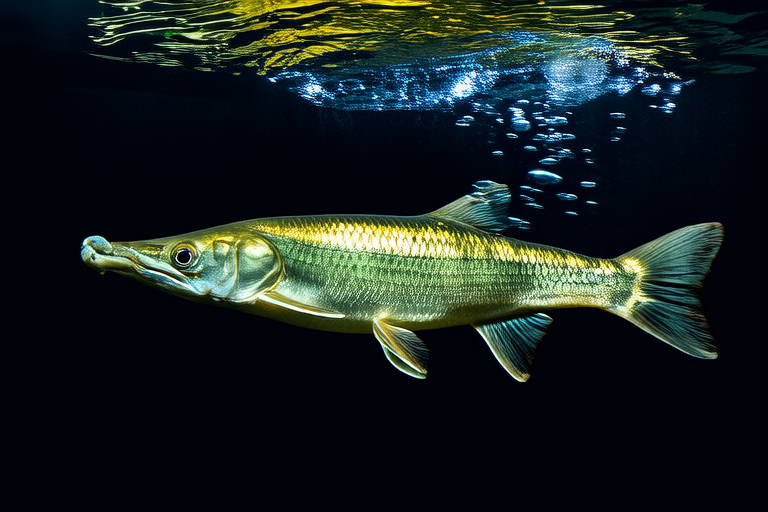
Introduction to Arowanas: The arowana, often referred to as “Dragon Fish” due to its prehistoric appearance and elongated body, is a captivating and majestic freshwater fish native to Asia and South America. These fish are known for their exceptional jumping ability, which they use to catch prey above the water’s surface. Their scales are large, bony, and metallic, giving them a shimmering, almost armored look. Arowanas are highly intelligent and have been observed to recognize their owners, making them a popular choice among enthusiasts of exotic pets. Their unique traits, coupled with their striking appearance, make arowanas a fascinating addition to any aquarium.
Why Arowanas Make Exotic Pets: Beyond their visual appeal, arowanas are sought after for their intelligence and interactive nature. They can be trained to take food directly from your hand, creating a bond between owner and pet. However, owning an arowana comes with significant responsibilities, as these fish require specific environmental conditions and a specialized diet to thrive. Understanding these requirements is crucial for anyone considering arowana ownership.
Tips for Tank Setup
Size Requirements: Arowanas are large, active fish that need ample space to swim freely. For a single adult arowana, a tank of at least 300 gallons is recommended. The tank should be long rather than tall, providing horizontal swimming space. Larger tanks are necessary if you plan to house multiple arowanas or other compatible species.
Water Conditions: Maintaining optimal water conditions is critical for the health of your arowana. The water should be soft and slightly acidic, with a pH range of 6.0 to 7.0. Temperature should be kept between 78°F and 84°F (25°C to 29°C). Regular testing of water parameters is essential to ensure stability and prevent stress-related illnesses.
Filtration Systems: Efficient filtration is vital for keeping the tank clean and free from harmful toxins. Choose a high-quality external filter capable of handling the tank’s volume. Arowanas produce a lot of waste, so mechanical, biological, and chemical filtration are all important. Additionally, consider adding an air pump to ensure adequate oxygen levels, especially if the tank has limited surface area.
Proper Diet and Feeding Habits
Nutritional Needs: Arowanas are carnivorous and require a varied diet rich in protein. Their staple diet should include high-quality pellets designed for large predatory fish. Supplement this with live or frozen foods such as feeder fish, shrimp, and worms. It’s important to avoid overfeeding, as excess food can degrade water quality. Feed your arowana two to three times per week, offering enough food that it can consume within five minutes.
Feeding Techniques: Arowanas have a unique feeding behavior; they leap out of the water to catch prey. To mimic this natural behavior, you can train your arowana to jump for food by tossing it into the tank. This not only satisfies their nutritional needs but also provides mental stimulation. Always ensure that any live food is disease-free to prevent introducing pathogens into the tank.
Maintaining Water Quality
Regular Maintenance: Consistent maintenance is key to keeping water quality high. Perform weekly partial water changes, removing about 20% of the water and replacing it with fresh, conditioned water. Regularly clean the filter media to maintain its efficiency. Monitor water parameters closely, adjusting treatments as necessary to maintain optimal conditions.
Preventing Health Issues: Common health problems in arowanas include bacterial infections, parasites, and swim bladder disorders. To prevent these issues, maintain pristine water quality and quarantine any new additions to the tank. Regular observation can help detect early signs of illness, allowing for prompt treatment. Consult a veterinarian specializing in exotic fish for appropriate medications and care.
Behavioral Enrichment and Interaction
Interactive Play: Encourage your arowana’s natural behaviors through interactive play. Use toys or floating objects to stimulate their curiosity and provide exercise. Training them to eat from your hand can strengthen the bond between you and your pet. Be patient and consistent, rewarding desired behaviors with treats.
Environmental Enrichment: Enhance the tank environment with suitable decorations, such as driftwood, rocks, and plants. These elements not only beautify the tank but also provide hiding spots and resting areas for your arowana. Ensure that any decor is safe and does not pose a risk of injury. A well-planned environment will contribute to your arowana’s overall well-being and happiness.
In conclusion, arowana ownership is a rewarding experience for those willing to meet the unique demands of these remarkable fish. By understanding their specific needs and providing a suitable environment, you can ensure your arowana lives a long, healthy, and fulfilling life. Whether you’re a seasoned aquarist or a novice enthusiast, the joy of watching your arowana thrive in its home will make the effort worthwhile.
