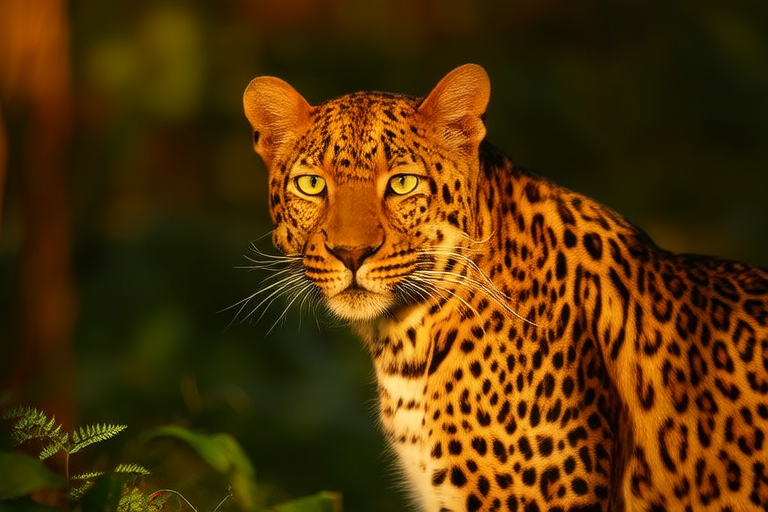
From Jungle to Home: Raising a Bengal Cat Companion
Welcome to the fascinating world of Bengal cats! These striking felines have captured the hearts of many cat enthusiasts with their exotic looks and captivating personalities. From their origins in the wild to their role as beloved pets, Bengal cats offer a unique blend of wild charm and domestic affection. In this article, we will explore the history, characteristics, and care of these magnificent creatures, providing you with valuable insights into raising a Bengal cat as your companion.
The Origins and Characteristics of Bengal Cats
Bengal cats trace their lineage back to the Asian Leopard Cat (ALC), a small wild cat native to Asia. The first documented breeding of a domestic cat with an ALC occurred in the 1960s, when geneticist Jean Mill crossed an ALC with a black domestic shorthair. Over several generations, breeders focused on creating a cat that retained the sleek, spotted coat of its wild ancestor but exhibited the friendly and trainable nature of domesticated cats.
Today, Bengal cats are recognized by major cat registries, including The International Cat Association (TICA) and the Cat Fanciers’ Association (CFA). They are known for their striking appearance, with coats that resemble those of their wild cousins. Their bodies are muscular and agile, perfect for climbing and leaping. Bengals typically weigh between 8 to 15 pounds, with males being larger than females.
The Unique Appearance of Bengal Cats
One of the most remarkable features of Bengal cats is their coat. Bengal cats come in two main color variations: brown and snow. Brown Bengals have spots that range from dark brown to black, set against a background that can be anything from golden tan to deep rust. Snow Bengals, on the other hand, have spots that range from light brown to chocolate, with backgrounds that are cream or white. Both types of Bengals may also exhibit a marbled pattern instead of spots.
Another distinguishing feature of Bengal cats is their short, dense coat, which feels like satin to the touch. This luxurious fur is often referred to as ‘glittered,’ meaning it has a reflective sheen that makes the cat appear to glow under certain lighting conditions. Their eyes are large and expressive, usually green or gold, adding to their wild appearance.
Caring for Your Bengal Cat
Dietary Needs
Bengal cats require a balanced diet rich in protein and essential nutrients. High-quality commercial cat food, specifically formulated for indoor or active cats, is generally sufficient. However, some Bengal owners prefer to supplement their cat’s diet with raw meat or cooked chicken. Always consult your veterinarian before making any significant changes to your cat’s diet.
Ensure your Bengal cat has access to fresh water at all times. Bengal cats tend to be more active than other breeds, so they may require slightly more calories. However, obesity can still be a concern if they consume too much food. Monitor your cat’s weight and adjust portion sizes accordingly.
Grooming
Despite their luxurious coats, Bengal cats are relatively low-maintenance when it comes to grooming. Their short hair means they don’t shed as much as long-haired breeds, and their dense fur repels dirt and water. Regular brushing with a soft bristle brush or grooming mitt can help keep their coat shiny and prevent matting.
Bathing a Bengal cat may be necessary if they get particularly dirty or if they develop a skin condition. Use a cat-specific shampoo and ensure you rinse thoroughly to avoid leaving any residue behind. Bengal cats generally enjoy water more than other breeds, so bathing may be less stressful for both you and your pet.
Exercise Requirements
Bengal cats are incredibly active and playful, requiring ample opportunities for physical activity. Providing them with climbing structures, interactive toys, and puzzle feeders can help keep them entertained and healthy. Encourage play sessions with feather wands, laser pointers, or even a simple string tied to a stick.
If possible, allow your Bengal cat to explore outside under supervision. Many Bengal cats enjoy the outdoors, and supervised outdoor time can provide mental stimulation and exercise. Alternatively, consider setting up an enclosed outdoor space, such as a catio, where your cat can safely enjoy the fresh air.
Behavioral Traits and Management
Bengal cats are known for their intelligence, curiosity, and strong prey drive. While these traits make them delightful companions, they can also present challenges in a home environment. Here are some tips for managing common behavioral issues:
Prey Drive
Bengal cats have a natural instinct to hunt and chase. This can lead to behaviors such as stalking and pouncing on household objects or even other pets. Redirect this energy by providing plenty of toys that mimic prey, such as small plush mice or feathered wands. Encouraging interactive play sessions can also help satisfy their hunting instincts.
Training and Socialization
Bengal cats are highly intelligent and trainable, making them ideal candidates for clicker training and other positive reinforcement techniques. Training can help establish boundaries and teach your cat desirable behaviors, such as using a scratching post or coming when called.
Socializing your Bengal cat from a young age is crucial for ensuring they get along well with other pets and family members. Expose them to different environments, people, and animals gradually and positively. This can help prevent aggression or fear-based behaviors later in life.
Living with Other Pets and Family Members
Bengal cats can coexist harmoniously with other pets and family members if introduced properly. Early socialization and gradual introductions are key. Introduce new pets to your Bengal cat in neutral territory, allowing each animal to become comfortable with the other’s presence before bringing them into the home together.
When introducing a Bengal cat to children, supervise all interactions to ensure safety for both the child and the cat. Teach children how to handle and interact with the cat gently. Encourage respectful behavior and emphasize the importance of giving the cat space when it wants to be alone.
The Rewarding Experience of Owning a Bengal Cat
Owning a Bengal cat is a rewarding experience for those who appreciate a unique and engaging companion. Their loyalty and intelligence make them excellent pets for active families or individuals seeking an interactive relationship. Bengal cats thrive on attention and interaction, forming strong bonds with their human companions.
While Bengal cats may have unique needs and challenges, their wild beauty and playful nature make them unforgettable pets. By understanding their origins, characteristics, and care requirements, you can provide your Bengal cat with a happy and fulfilling life. Embrace the adventure of raising a Bengal cat, and prepare yourself for a lifetime of joy and companionship.
