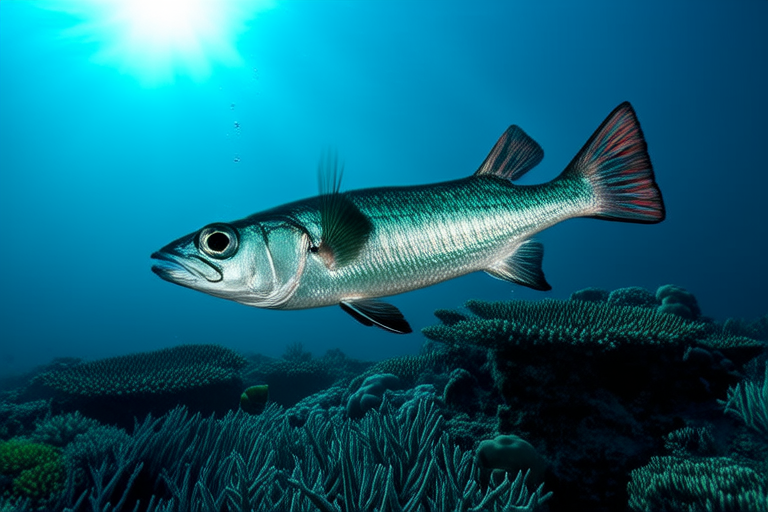
The Colorful World of Parrot Fish: A Visual Journey
Parrot fish, a vibrant and fascinating group of marine creatures, have long captivated the imaginations of ocean enthusiasts and scientists alike. Known for their striking array of colors and intricate patterns, these fish are a testament to the diversity and beauty of life beneath the waves. From their origins in the warm waters of tropical oceans to their crucial role in maintaining the health of coral reefs, parrot fish offer a captivating glimpse into the underwater world.
An Introduction to Parrot Fish
Parrot fish are members of the family Scaridae, named for their beak-like mouths that resemble those of parrots. These fish come in an astounding variety of hues, ranging from electric blues and greens to fiery reds and oranges. Their bodies are often adorned with stripes, spots, and other intricate designs that make them stand out among their peers. The males, in particular, exhibit more vivid coloration than females, with some species displaying dramatic changes in appearance during mating season.
Habitats: The Coral Reefs
Parrot fish are primarily found in the tropical and subtropical regions of the world’s oceans, thriving in the rich and diverse environments of coral reefs. These ecosystems provide the ideal habitat for parrot fish, offering both shelter and abundant food sources. Coral reefs, often referred to as the rainforests of the sea, are bustling with life and activity, making them perfect homes for these colorful inhabitants.
Parrot fish play a vital role in maintaining the health of coral reefs through their feeding habits. By grazing on algae and other organisms that grow on coral surfaces, they help prevent overgrowth that could otherwise smother and damage the reefs. This behavior not only benefits the parrot fish but also contributes to the overall balance of the marine ecosystem. Additionally, their excretions contribute to the formation of sand, helping to build and maintain the beaches that many tourists and local communities depend on.
Behaviors and Adaptations
Parrot fish exhibit a range of fascinating behaviors that are essential for their survival. One of the most notable is their method of sleeping. To protect themselves from predators while at rest, many species of parrot fish produce a thick, mucous cocoon around their bodies. This slimy covering not only camouflages them against potential threats but also masks their scent, making it harder for nocturnal hunters to locate them.
Feeding is another critical aspect of a parrot fish’s daily routine. Using their strong jaws and fused teeth, which form a beak-like structure, these fish scrape algae and small invertebrates from coral surfaces. Their diet is varied and includes a wide range of plant and animal matter, ensuring they get the nutrients necessary for growth and reproduction. This feeding behavior also helps keep coral reefs clean and healthy, preventing harmful algal blooms.
Protection is paramount for any creature living in the vast and sometimes dangerous ocean. Parrot fish have developed several defense mechanisms to stay safe from predators. Besides the aforementioned mucous cocoons, many species change colors and patterns to blend into their surroundings, making it difficult for predators to spot them. Some even have the ability to rapidly change their appearance in response to threats, providing an additional layer of protection.
The Lifecycle of Parrot Fish
The journey from egg to adult for a parrot fish is a complex and fascinating process. After mating, female parrot fish release thousands of eggs into the water, where they float freely until fertilized by the male. Once fertilized, the eggs develop into larvae, which drift in the currents for several weeks before settling on the reef. During this time, they are highly vulnerable to predation, and only a small fraction survive to reach maturity.
As the larvae grow, they undergo significant physical changes, eventually taking on the recognizable form of juvenile parrot fish. At this stage, they begin to establish territories and search for food. Over time, they mature into adults, developing the vibrant colors and patterns that make them so distinctive. Throughout their lives, parrot fish may change their appearance multiple times, particularly during breeding seasons when males become more colorful to attract mates.
The Importance of Conservation
Despite their importance to marine ecosystems, parrot fish face numerous threats due to human activities. Overfishing, habitat destruction, and pollution all pose serious challenges to the survival of these remarkable creatures. As coral reefs continue to decline worldwide, the populations of parrot fish are also at risk. It is crucial that we take steps to conserve these vital marine resources and ensure the continued health of our oceans.
Efforts to protect parrot fish include establishing marine protected areas, enforcing fishing regulations, and promoting sustainable tourism practices. By raising awareness about the importance of these fish and the ecosystems they inhabit, we can inspire action and encourage responsible stewardship of our oceans. Together, we can work towards a future where parrot fish continue to thrive, contributing to the beauty and biodiversity of the underwater world.
In conclusion, the colorful world of parrot fish offers a mesmerizing glimpse into the wonders of marine life. From their vibrant colors and intricate patterns to their crucial role in maintaining the health of coral reefs, these fish are a true marvel of nature. By understanding and appreciating the lifecycle and behaviors of parrot fish, we can better appreciate the delicate balance of marine ecosystems and the importance of conservation efforts. Let us strive to protect these magnificent creatures and the habitats they call home, ensuring that future generations can enjoy the beauty and diversity of the ocean.
