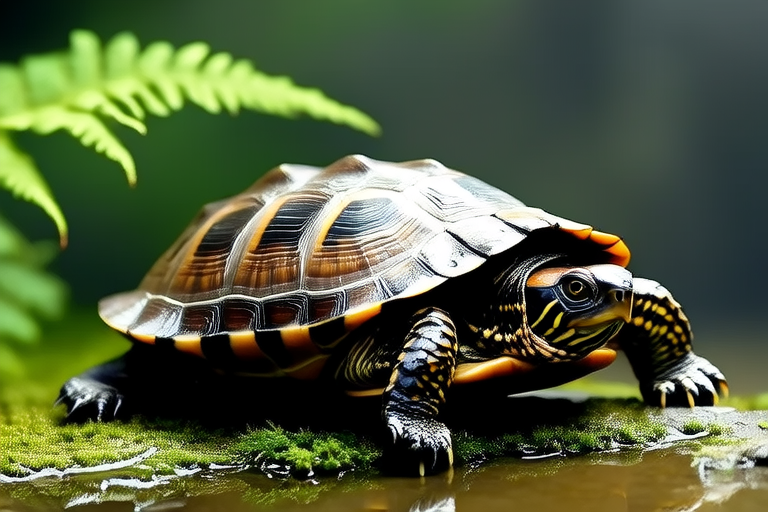
Unleashing the Charm of Three-Striped Box Turtles: Care Tips and Fun Facts
Welcome to the fascinating world of the three-striped box turtle! These charming creatures are a popular choice among turtle enthusiasts due to their unique appearance and delightful personalities. With their distinctive three yellow stripes running down their dark shells, these turtles are not only visually striking but also possess a variety of interesting behaviors and adaptations that make them a joy to observe and care for.
Natural Habitat
The three-striped box turtle (Terrapene carolina triunguis) is native to the central United States, primarily found in Missouri, Arkansas, Oklahoma, Kansas, and Texas. They prefer humid environments with plenty of vegetation, such as woodlands, meadows, and riverbanks. Their natural habitat is characterized by dense underbrush, leaf litter, and areas with shallow water sources. Understanding their natural environment helps in creating a suitable living space for these turtles when kept as pets.
Diet Requirements
Three-striped box turtles are omnivorous, meaning they eat both plant and animal matter. In the wild, their diet consists of insects, worms, fruits, and various plants. As pets, it’s important to replicate this varied diet to ensure proper nutrition. Offer a mix of vegetables, fruits, and protein-rich foods like mealworms or crickets. A balanced diet can be achieved by providing a variety of greens, including dandelion leaves, collard greens, and mustard greens, along with occasional treats like berries or apples. It’s crucial to avoid feeding them toxic foods such as avocado, rhubarb, or chocolate.
Housing Needs
Creating an appropriate living space for your three-striped box turtle is vital for their health and happiness. A spacious enclosure is necessary, with dimensions of at least four feet long, two feet wide, and one foot deep for one adult turtle. The enclosure should have a substrate that mimics their natural environment, such as coconut fiber or cypress mulch, which retains moisture and provides a comfortable surface for digging. Additionally, include hiding spots, such as half logs or artificial caves, and a shallow water dish for soaking. Proper lighting and temperature control are essential; maintain a basking area with temperatures around 85-90°F and provide UVB lighting to support calcium absorption.
Care Tips for Owners
Handling your three-striped box turtle requires gentle care. Always wash your hands before and after handling to prevent the spread of bacteria. Avoid excessive handling, as it can cause stress. Regular veterinary check-ups are recommended to monitor their health and address any issues early. Keep an eye out for signs of illness, such as lethargy, loss of appetite, or abnormal swelling. Proper hygiene within the enclosure, including regular cleaning of the substrate and water dishes, will help maintain a healthy living environment.
Fun Facts
Three-striped box turtles are known for their impressive longevity, often living over 30 years in captivity. They have a unique ability to close their shell tightly when threatened, thanks to a hinge on the lower part of their plastron, making them almost impossible to pry open. This adaptation has earned them the nickname “box turtle.” Another fascinating behavior is their tendency to bask in the sun, which helps regulate their body temperature and aids in digestion. These turtles are also quite active, especially during the warmer months, and can be observed exploring their surroundings, searching for food, and engaging in playful antics.
Behavior and Lifespan
Three-striped box turtles are generally calm and docile, making them ideal pets for those who enjoy watching their gentle interactions. They are solitary animals, so it’s best to keep them alone unless you’re experienced with housing multiple turtles. Their lifespan in the wild can vary, but in captivity, they can thrive for several decades if well cared for. This long life expectancy means that owning a three-striped box turtle is a significant commitment, ensuring they receive the attention and care they need throughout their lives.
Interesting Adaptations
One of the most remarkable adaptations of the three-striped box turtle is its ability to retract its head and limbs completely into its shell, providing excellent protection from predators. Their sharp claws are useful for digging in search of food or burrowing into the ground for shelter. Another interesting feature is their keen sense of smell, which aids in locating food and navigating their environment. These adaptations highlight the resilience and resourcefulness of these turtles, allowing them to survive in diverse habitats.
Responsible Acquisition and Conservation
When considering adding a three-striped box turtle to your family, it’s crucial to source them responsibly. Avoid purchasing turtles from pet stores that may have sourced them from the wild, contributing to the decline of wild populations. Instead, opt for reputable breeders who prioritize the ethical treatment and welfare of their animals. Supporting conservation efforts is also vital. Many organizations work to protect these turtles and their habitats, offering opportunities for volunteering or donating to contribute positively to their preservation.
In conclusion, the three-striped box turtle is a captivating and rewarding pet for those willing to commit to their care. By understanding their natural habitat, dietary needs, and housing requirements, you can create a thriving environment for these charming creatures. Their unique behaviors, impressive lifespan, and fascinating adaptations make them a delightful addition to any home. By acquiring them responsibly and supporting conservation efforts, we can ensure the continued survival and well-being of these wonderful turtles for generations to come.
