How to Decode the Mysterious Meows of a Siamese Cat
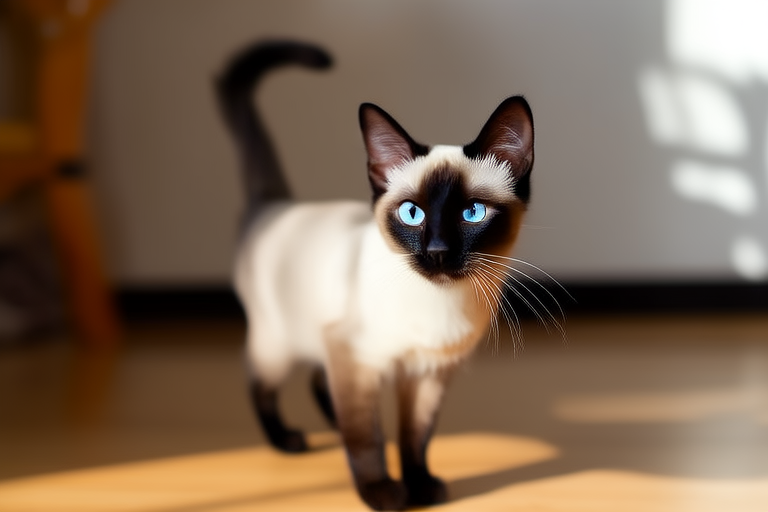
The Siamese cat is known for its striking blue almond-shaped eyes, sleek body, and vibrant coat color points. But perhaps one of the most intriguing aspects of this breed is its vocal nature. Siamese cats are notorious for their frequent and varied meows, which can sometimes seem like they’re having a conversation with you. Understanding the unique vocal patterns of Siamese cats is crucial for building a strong bond with them. This article will guide you through decoding the mysterious meows of a Siamese cat, offering insights into their vocal habits, differences from other breeds, and tips on how to communicate effectively.
The Unique Vocal Patterns of Siamese Cats
Siamese cats have a distinct vocal repertoire that sets them apart from other feline breeds. Their meows are often described as more melodic, higher-pitched, and more articulate. They can sound almost like human speech, leading some owners to believe their cats are trying to ‘talk’ to them. This vocalization style is partly due to the breed’s genetic makeup and partly because of their sociable and interactive nature. Siamese cats are known to be very vocal, and they often use their voice to express emotions, needs, or simply to engage with their human companions.
Why Do Siamese Cats Meow So Frequently?
The frequency and intensity of Siamese meows can sometimes be overwhelming for new owners. There are several reasons why these cats are so vocal:
- Communication: Siamese cats are highly social animals that enjoy interacting with their owners. They use meows as a way to communicate their needs, whether it’s for food, attention, or playtime.
- Loneliness: If left alone for long periods, Siamese cats may become lonely and anxious, leading them to meow more frequently to get your attention.
- Hunger: A hungry Siamese cat will often let you know by meowing insistently until you respond.
- Health issues: Sometimes, excessive meowing can indicate underlying health problems, such as pain, discomfort, or even hearing loss. If you notice a sudden increase in your cat’s vocalization, it’s worth consulting a veterinarian.
Differences Between Siamese and Other Breeds
While all cats meow, the vocal patterns of Siamese cats are notably different from those of other breeds. For instance, compared to breeds like the Maine Coon or Persian, Siamese cats tend to be much more vocal. Maine Coons, for example, are generally quieter and more reserved, while Persians are known for their calm and gentle demeanor. Siamese cats, on the other hand, are energetic, curious, and highly communicative. Their vocalizations are also more varied, ranging from soft coos to loud, demanding meows. Understanding these differences can help you appreciate the unique characteristics of your Siamese cat and provide them with the attention and care they need.
Tips for Decoding Your Siamese Cat’s Meows
Decoding the meows of a Siamese cat requires patience, observation, and a bit of detective work. Here are some tips to help you understand what your cat might be trying to tell you:
- Context is Key: Pay attention to the situation when your cat meows. Is it mealtime? Are you about to leave the house? Understanding the context can give you clues about the reason behind the meow.
- Varying Pitch and Tone: Different pitches and tones can indicate different emotions. A high-pitched, urgent meow might signal distress or urgency, while a softer, cooing sound could mean affection or contentment.
- Body Language: Combine vocal cues with body language to get a clearer picture of what your cat is trying to convey. A cat that is meowing while rubbing against your leg might be seeking affection, while one that is meowing while pacing around the kitchen might be hungry.
- Consistency: Each Siamese cat has its own unique vocal patterns, so spend time observing your cat to understand their individual meows. Consistency in their behavior can help you recognize patterns and decode their messages more accurately.
Responding to Ensure Effective Communication
Once you’ve decoded your Siamese cat’s meows, the next step is to respond appropriately. Effective communication with your cat can strengthen the bond between you and your pet. Here are some tips:
- Address Their Needs: If your cat is meowing because they are hungry or thirsty, address the issue promptly. Providing them with food or water can help reduce unnecessary vocalizations.
- Provide Attention: If your cat is meowing for attention, spend quality time with them. Play with them, pet them, or engage in activities that they enjoy. This can help satisfy their social needs and reduce loneliness-related meowing.
- Ignore Unwanted Behavior: Sometimes, Siamese cats may meow excessively to test boundaries or get attention. In such cases, ignoring the behavior can discourage it, but make sure to provide positive reinforcement when they behave calmly.
- Use Positive Reinforcement: Reward your cat with treats or praise when they are quiet and well-behaved. This can encourage them to repeat the desired behavior.
Building a Strong Bond Through Understanding
The ability to understand and respond to your Siamese cat’s meows can significantly enhance the bond between you and your pet. By paying attention to their vocal cues and responding appropriately, you demonstrate that you care about their needs and are committed to their happiness. This mutual understanding fosters trust and strengthens the emotional connection between you and your cat. Remember, every interaction is an opportunity to deepen your relationship with your Siamese cat, making each moment together more meaningful.
In conclusion, the mysterious meows of a Siamese cat are a window into their world, offering insight into their thoughts, feelings, and needs. By learning to decode their vocal patterns and responding thoughtfully, you can build a stronger, more harmonious relationship with your beloved pet. The journey of understanding your Siamese cat’s language is an enriching experience that brings joy and companionship to both you and your feline friend.
