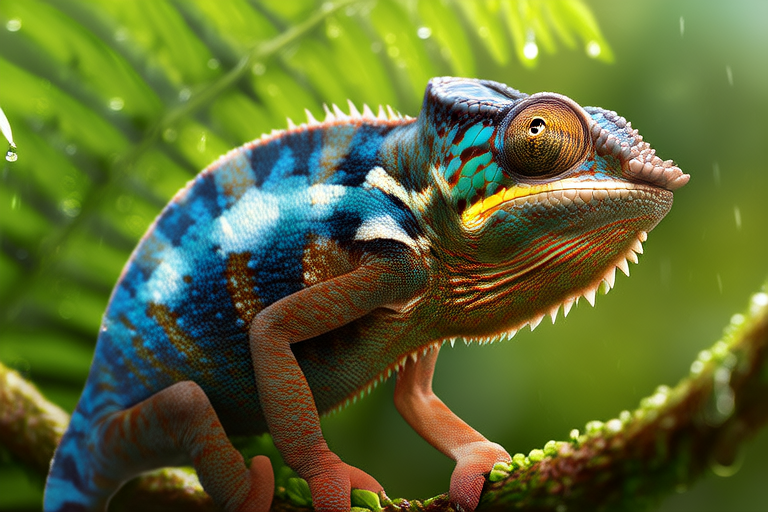
Chameleons: Masters of Color and Camouflage
Introduction:
Chameleons are among nature’s most fascinating creatures, captivating humans with their remarkable ability to change colors, unique eyesight, and quirky behavior. These lizards have intrigued scientists and laypeople alike for centuries. This article delves into the world of chameleons, exploring their color-changing abilities, eye movement, diet, habitat preferences, social interactions, and mating rituals. We will also examine the science behind their color changes and how they use this skill for communication and camouflage. Additionally, we’ll look at their daily life, the challenges they face in the wild, and dispel some common myths about these enigmatic reptiles.
The Science Behind Chameleon Color Changes
Chameleons are known for their incredible ability to change colors. Contrary to popular belief, chameleons do not change color to match their surroundings. Instead, they use their color-changing abilities for communication, temperature regulation, and camouflage. The mechanism behind this phenomenon lies in specialized cells called chromatophores located in the chameleon’s skin. Chromatophores contain pigments that can expand or contract, altering the color and intensity of the chameleon’s appearance.
There are three types of chromatophores: xanthophores (yellow), erythrophores (red), and guanophores (blue). By combining these pigments in different ways, chameleons can produce a wide range of colors. In addition to these pigment-containing cells, chameleons also possess iridophores, which reflect light and contribute to the brightness and iridescent quality of their colors.
The process of changing color is controlled by the nervous system. When a chameleon feels threatened, excited, or ready to mate, its brain sends signals to the chromatophores and iridophores, causing them to expand or contract, resulting in a visible color change. This color-changing ability is not only a matter of aesthetics but also serves practical purposes, such as regulating body temperature and signaling emotions to other chameleons.
Eyes That Move Independently
One of the most striking features of chameleons is their independently moving eyes. Each eye can rotate up to 180 degrees, allowing chameleons to scan their environment without moving their heads. This adaptation enables them to locate prey and avoid predators more effectively. Their exceptional vision is further enhanced by their ability to focus on objects at varying distances, making them formidable hunters.
When a chameleon spots potential prey, it uses its lightning-fast tongue to capture it. The tongue can extend up to twice the length of the chameleon’s body, reaching speeds of over 26 feet per second. This combination of sharp eyesight and rapid tongue action makes chameleons highly efficient predators.
Diet and Feeding Habits
Chameleons are primarily insectivorous, feeding on a variety of insects such as crickets, grasshoppers, and locusts. Some larger species may also consume small birds, lizards, and even other chameleons. In captivity, chameleons are often fed commercially available insects, supplemented with vitamins and minerals to ensure proper nutrition.
In the wild, chameleons rely on their keen eyesight and quick reflexes to catch prey. They typically sit motionless on branches or leaves, waiting for an unsuspecting insect to pass by. Once they spot their target, they extend their tongues with blinding speed, securing the meal within milliseconds.
Habitat Preferences
Chameleons are found in a wide range of habitats across Africa, Madagascar, southern Europe, and parts of Asia. They prefer warm, humid environments with plenty of vegetation for hiding and hunting. Many species inhabit tropical rainforests, while others thrive in arid regions like deserts and savannas. Some chameleons, such as the Jackson’s chameleon, can be found at high altitudes, where temperatures are cooler and vegetation is more sparse.
Within their preferred habitats, chameleons seek out areas with dense foliage and vertical structures, such as trees and bushes, which provide ample opportunities for climbing and basking. They also require access to water sources, as dehydration can be fatal for these reptiles. Despite their adaptability, many chameleon species are sensitive to habitat destruction and fragmentation, making conservation efforts crucial for their survival.
Social Interactions and Mating Rituals
Chameleons are generally solitary animals, except during the breeding season. Male chameleons use their vibrant colors and elaborate displays to attract females and intimidate rivals. During courtship, males may engage in “color duels,” where they display their brightest hues and perform exaggerated movements to impress potential mates. If a female is receptive, she will signal her interest by remaining still and allowing the male to approach.
After mating, the female lays eggs in a safe location, often digging a shallow nest in the ground. Depending on the species, she may lay anywhere from 10 to 80 eggs. The eggs incubate underground for several months before hatching. Baby chameleons, known as hatchlings, are miniature versions of their adult counterparts and must fend for themselves from the moment they emerge.
Challenges in the Wild
Despite their impressive adaptations, chameleons face numerous challenges in the wild. Habitat loss due to deforestation, urbanization, and agricultural expansion poses a significant threat to many species. As human populations grow, natural habitats shrink, leaving fewer places for chameleons to live and hunt. Climate change also affects chameleon populations, as shifting weather patterns disrupt their ecosystems and alter food availability.
Predation is another challenge for chameleons, particularly for juveniles and smaller species. Birds, snakes, and mammals all prey on chameleons, making survival difficult for young individuals. Disease and parasites can also weaken chameleons, reducing their chances of survival and reproduction. In some cases, humans pose a direct threat to chameleons through illegal pet trade and collection for traditional medicine.
Myths About Chameleons
Many myths surround chameleons, some of which persist despite scientific evidence. One common myth is that chameleons can change color to blend in perfectly with their surroundings. While chameleons can alter their appearance to match certain elements of their environment, they cannot mimic every detail. Another myth suggests that chameleons can sleep with their eyes open. In reality, chameleons close their eyes completely when resting.
Some people believe that touching a chameleon will cause it to lose its color. This is false; chameleons change color based on their emotional state and physiological needs, not physical contact. Another myth claims that chameleons can spit fire. While chameleons do have a long, extendable tongue, it is used for catching prey, not spitting flames.
Conclusion
Chameleons are truly remarkable creatures, with their unique adaptations and behaviors making them stand out in the animal kingdom. From their ability to change color to their independently moving eyes, chameleons have evolved to become highly effective hunters and survivors. Understanding the science behind their color changes and the challenges they face in the wild can help us appreciate these fascinating reptiles even more. By supporting conservation efforts and raising awareness about chameleons, we can ensure that future generations will continue to marvel at these masters of color and camouflage.
