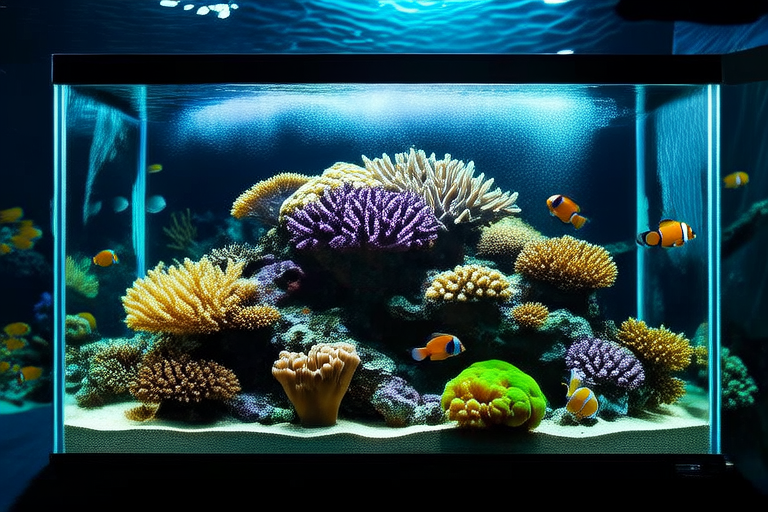
Top Tips for Setting Up the Perfect Saltwater Aquarium for Clownfish
Welcome to the fascinating world of saltwater aquariums! If you’re considering setting up a home for those vibrant and delightful creatures known as clownfish, you’ve come to the right place. This comprehensive guide will walk you through everything you need to know about creating the perfect environment for your clownfish. From selecting the right tank size to ensuring optimal water conditions and beyond, we’ll cover it all.
Selecting the Right Tank Size
The first step in setting up your saltwater aquarium is choosing the appropriate tank size. For clownfish, a minimum tank size of 30 gallons is recommended. However, larger tanks (55 gallons or more) provide more stability and allow for better water quality management. A bigger tank also means more room for your clownfish to swim and explore, enhancing their overall well-being.
Water Parameters Crucial for Clownfish Health
Maintaining the right water parameters is vital for the health and longevity of your clownfish. The ideal temperature range for clownfish is between 76°F and 82°F. Keep the pH level within the range of 8.1 to 8.4, and maintain specific gravity between 1.020 and 1.025. Ammonia and nitrite levels should be zero, while nitrate levels should remain below 20 ppm. Regular water testing ensures these parameters stay within safe limits.
Filtration Systems
An efficient filtration system is essential for maintaining clean and healthy water. Choose a filter that provides mechanical, biological, and chemical filtration. Mechanical filtration removes debris, biological filtration supports beneficial bacteria, and chemical filtration helps remove toxins. Consider investing in a high-quality protein skimmer, especially for larger tanks, to effectively remove dissolved organic compounds from the water.
Lighting Requirements
Clownfish inhabit coral reefs, so providing adequate lighting mimics their natural habitat. Use full-spectrum LED lights that emit a color temperature between 5000K and 10000K. Aim for 9 to 12 hours of light per day, ensuring a consistent photoperiod. Proper lighting not only enhances the visual appeal of your aquarium but also promotes the growth of photosynthetic organisms like corals and algae.
Suitable Decorations and Hiding Spots
Clownfish thrive when they have ample hiding spots and decorations to explore. Incorporate PVC pipes, caves, and artificial anemones into your setup. These structures provide shelter and encourage natural behaviors such as territorial establishment. Additionally, consider adding live rock to create a more realistic reef environment and offer additional hiding spaces.
Necessary Water Flow
Clownfish require moderate water flow to simulate their natural oceanic environment. Install powerheads or wavemakers to achieve gentle currents throughout the tank. Ensure there are areas with low flow for resting and breeding purposes. Adequate water movement prevents the accumulation of detritus and promotes gas exchange at the water’s surface.
Recommended Live Rock and Sand
Live rock is essential for establishing a thriving ecosystem within your saltwater aquarium. It serves as a home for beneficial bacteria and provides surfaces for algae and invertebrates to grow. Select cured live rock free from pests and disease. As for substrate, opt for aragonite-based sand, which helps maintain stable pH levels and supports the growth of beneficial microorganisms.
Compatible Tank Mates
When selecting tank mates for your clownfish, choose species that share similar environmental needs. Some compatible fish include small damselfish, gobies, and blennies. Avoid aggressive or predatory species that could harm your clownfish. Research each potential addition thoroughly to ensure compatibility and avoid overcrowding.
Feeding Guidelines
Feed your clownfish a balanced diet consisting of high-quality flake food, frozen foods like brine shrimp, mysis shrimp, and occasional treats like chopped seafood. Offer small, frequent meals daily rather than one large feeding. Monitor their eating habits to adjust portion sizes accordingly. Overfeeding can lead to poor water quality and health issues.
Disease Prevention Tips
To prevent diseases, quarantine new additions before introducing them to your main tank. Maintain pristine water conditions by performing regular water changes and monitoring water parameters closely. Quarantine any sick fish immediately to prevent the spread of illness. Treatments should be administered under veterinary supervision if necessary.
Regular Maintenance Routines
Establish a routine for cleaning and maintaining your saltwater aquarium. Perform weekly water changes of 10% to 20% to replenish essential minerals and remove accumulated waste. Clean filters, sumps, and skimmers regularly to ensure optimal performance. Inspect live rock, sand, and decorations for signs of deterioration or unwanted growth.
Conclusion
Setting up a saltwater aquarium for clownfish requires careful planning and attention to detail. By following these top tips, you’ll create a thriving and beautiful underwater world where your clownfish can flourish. Remember, patience and dedication are key to maintaining a successful saltwater aquarium. Enjoy the rewarding experience of watching your clownfish thrive in their new home!
