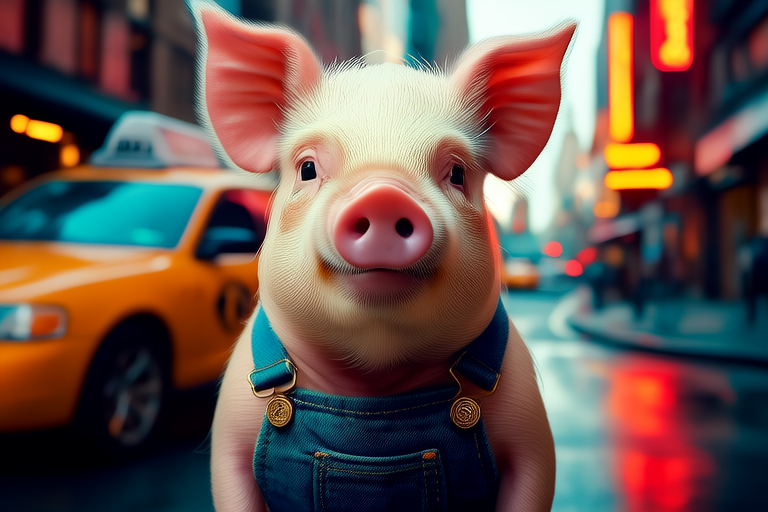
Feasibility of Mini Pigs Living in Urban Environments
Mini pigs have become increasingly popular as pets, and many city dwellers are curious about whether these animals can thrive in an urban setting. This article explores the feasibility of mini pigs living in cities by examining their physical and behavioral traits, potential challenges, and necessary considerations for urban living.
Physical and Behavioral Traits Relevant to City Life
Mini pigs possess several physical and behavioral traits that make them potentially suitable for urban environments. They are generally smaller than standard pigs, which reduces the amount of space required for housing. Mini pigs are also intelligent, clean, and trainable, making them adaptable to various living conditions. However, their natural instincts, such as rooting and wallowing, may present challenges in urban settings.
Space Limitations
Urban environments often have limited space, particularly in apartments and small homes. While mini pigs can adapt to indoor living, they require adequate space for exercise and mental stimulation. Owners must ensure that their living quarters are spacious enough to accommodate the pig’s size and allow for movement. Additionally, providing outdoor access is crucial for their well-being.
Noise Regulations
Noise regulations in urban areas can pose a challenge for mini pig owners. Mini pigs are generally quiet animals, but they may vocalize when distressed or excited. Prospective owners should research local noise ordinances to ensure compliance and avoid potential conflicts with neighbors.
Dietary Needs
Mini pigs have specific dietary requirements that must be met to maintain their health. Their diet should consist of high-quality pig feed, fresh vegetables, fruits, and occasional treats. Owners must be mindful of portion control to prevent obesity, which can lead to health issues. Feeding pigs in public spaces can attract unwanted attention and create littering problems, so owners should find alternative feeding locations.
Potential Challenges
While mini pigs can adapt to urban living, several challenges must be addressed to ensure their well-being and compatibility with city life.
Space Limitations
Urban environments often have limited space, particularly in apartments and small homes. While mini pigs can adapt to indoor living, they require adequate space for exercise and mental stimulation. Owners must ensure that their living quarters are spacious enough to accommodate the pig’s size and allow for movement. Additionally, providing outdoor access is crucial for their well-being.
Noise Regulations
Noise regulations in urban areas can pose a challenge for mini pig owners. Mini pigs are generally quiet animals, but they may vocalize when distressed or excited. Prospective owners should research local noise ordinances to ensure compliance and avoid potential conflicts with neighbors.
Dietary Needs
Mini pigs have specific dietary requirements that must be met to maintain their health. Their diet should consist of high-quality pig feed, fresh vegetables, fruits, and occasional treats. Owners must be mindful of portion control to prevent obesity, which can lead to health issues. Feeding pigs in public spaces can attract unwanted attention and create littering problems, so owners should find alternative feeding locations.
Training and Socialization for Urban Settings
Training and socialization are essential for mini pigs living in urban environments. Proper training can help minimize undesirable behaviors, such as biting and destructive chewing. Basic commands like “sit,” “stay,” and “come” can be taught using positive reinforcement techniques. Consistency and patience are key to successful training.
Socialization is equally important, as it helps mini pigs develop good behavior and adapt to new situations. Owners should introduce their pigs to different people, animals, and environments to build confidence and reduce anxiety. Regular interaction with other pigs or pets can also enhance social skills and reduce loneliness.
Common Misconceptions About Mini Pigs
Several misconceptions surround mini pigs, which can influence potential owners’ decisions. One common misconception is that mini pigs are hypoallergenic. While some individuals may experience fewer allergic reactions to mini pigs compared to other animals, they are not entirely hypoallergenic. Another misconception is that mini pigs are easy to care for. In reality, they require time, effort, and resources to meet their physical and emotional needs.
Real-Life Examples of Successful Urban Mini Pig Ownership
Several real-life examples demonstrate the success of mini pigs living in urban environments. One example is the case of a family in New York City who adopted a rescue mini pig named Peanut. Despite living in a small apartment, the family provided Peanut with ample space for exercise and mental stimulation through daily walks and playtime. They also ensured a balanced diet and regular veterinary care. Peanut’s presence has brought joy and companionship to the family, proving that mini pigs can thrive in urban settings with proper care.
Another example is a couple in San Francisco who successfully integrated a mini pig into their household. They created a designated outdoor area for their pig, complete with a sandbox for rooting and a shaded spot for relaxation. The couple also invested in training classes to teach their pig basic commands and manners. Their mini pig has become a beloved member of the community, participating in local events and fostering positive interactions between humans and animals.
Recommendations for Prospective City-Dwelling Owners Considering a Mini Pig as a Pet
For those considering a mini pig as a pet in an urban environment, several recommendations can help ensure a successful and rewarding experience.
- Research Local Regulations: Familiarize yourself with local laws and regulations regarding pet ownership, including licensing, vaccination, and housing requirements.
- Prepare Adequate Space: Ensure that your living space provides sufficient room for your mini pig to move around comfortably. Consider the need for outdoor access and safe areas for exercise and mental stimulation.
- Invest in Training and Socialization: Enroll your mini pig in training classes and regularly engage in social activities to promote good behavior and confidence.
- Meet Dietary Needs: Provide a balanced diet that meets your mini pig’s nutritional requirements. Be mindful of portion control to prevent obesity.
- Seek Professional Advice: Consult with veterinarians, trainers, and experienced owners for guidance on raising a mini pig in an urban environment.
In conclusion, mini pigs can thrive in urban environments with proper planning, preparation, and commitment from their owners. By understanding their physical and behavioral traits, addressing potential challenges, and following recommended practices, city dwellers can enjoy the companionship of these unique and intelligent animals. Prospective owners should carefully consider the responsibilities involved and ensure that they are prepared to provide a loving and nurturing home for their mini pig.
