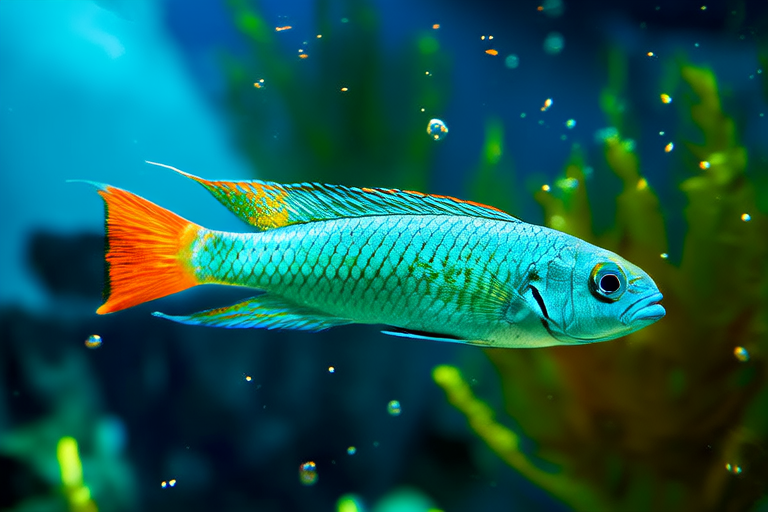
From Ocean to Aquarium: Caring for Parrot Fish at Home
Parrot fish are among the most visually striking inhabitants of coral reefs, known for their vibrant colors and unique behaviors. These captivating creatures have become popular choices for home aquariums, bringing a slice of the ocean’s beauty into living rooms around the world. This article will guide you through the essential aspects of caring for parrot fish, from understanding their natural habitats to creating a thriving environment in your own aquarium.
Introduction to Parrot Fish Species
Several species of parrot fish are commonly kept in home aquariums, each with its own distinct appearance and behavior. The green chromis (Chromis viridis) and the yellow tang (Zebra tang) are two of the most popular choices. Green chromis are small, peaceful fish with a bright green hue that can add a splash of color to any aquarium. Yellow tangs, on the other hand, are larger and more striking, featuring a vivid yellow body and a distinctive black stripe running along their length. Both species are known for their active swimming patterns and social nature, making them ideal companions for community tanks.
The Natural Habitat of Parrot Fish
In the wild, parrot fish inhabit tropical and subtropical waters, primarily found in coral reefs and rocky areas. Their natural environment is characterized by warm, clear waters with plenty of algae and coral for grazing. To recreate this environment in an aquarium, it is crucial to understand the key elements that make these habitats so appealing to parrot fish.
Parrot fish require stable water temperatures between 75°F and 82°F (24°C to 28°C), and they thrive in saltwater with a specific gravity of 1.020 to 1.025. Adequate lighting is also important, as it helps stimulate the growth of algae and enhances the overall aesthetic of the tank. Additionally, providing hiding spots such as caves or rock structures can help reduce stress and encourage natural behaviors.
Setting Up the Perfect Aquarium
Tank Size and Layout
To accommodate parrot fish, especially larger species like the yellow tang, a minimum tank size of 75 gallons is recommended. A larger tank provides ample space for swimming and reduces the risk of stress-related health issues. When designing the layout, focus on creating a reef-like environment with live rock, coral, and plants. Live rock not only serves as a natural habitat but also contributes to the biological filtration of the water.
Filtration Systems
A robust filtration system is essential for maintaining water quality and supporting the health of your parrot fish. A combination of mechanical, chemical, and biological filtration is ideal. Mechanical filtration removes debris and waste, while chemical filtration helps control ammonia and nitrite levels. Biological filtration supports beneficial bacteria that break down harmful compounds, ensuring a stable and healthy environment.
Suitable Tank Mates
Choosing the right tank mates is crucial for maintaining harmony in your aquarium. Parrot fish generally do well with other peaceful, herbivorous species. Good companions include clownfish, damselfish, and small wrasses. It is important to avoid aggressive or territorial species that may bully or compete with parrot fish for resources.
Dietary Needs
Parrot fish are primarily herbivores, feeding on algae and plant matter in their natural habitat. In captivity, it is essential to provide a balanced diet that mimics their natural food sources. High-quality flake foods, pellets, and seaweed-based treats are excellent choices. Additionally, offering fresh vegetables like blanched spinach or nori can supplement their diet and promote optimal health.
Feeding practices should be balanced, avoiding overfeeding which can lead to poor water quality and obesity. Feed your parrot fish twice daily, providing just enough food that they can consume within a few minutes. Monitor their eating habits and adjust the quantity accordingly.
Common Health Issues and Preventive Measures
Despite proper care, parrot fish may still encounter health issues. Common problems include fin rot, ich, and parasitic infections. Fin rot is often caused by poor water quality and manifests as frayed or discolored fins. Ich, a parasitic infection, presents as white spots on the fish’s body and fins. Parasitic infections can result in lethargy, loss of appetite, and abnormal swimming behavior.
To prevent these issues, maintain excellent water quality through regular testing and water changes. Quarantine new additions to the tank for at least four weeks before introducing them to the main aquarium. Regularly inspect your fish for signs of distress and address any issues promptly.
Maintaining a Thriving Aquarium Ecosystem
Creating a thriving aquarium ecosystem requires ongoing attention and care. Regular water changes, typically 10-20% weekly, help remove toxins and maintain water clarity. Monitoring water parameters such as pH, ammonia, nitrite, and nitrate is crucial for early detection of potential problems. Additionally, keeping live rock and algae growth under control ensures a balanced biological system.
Encourage responsible pet ownership by educating yourself about the specific needs of parrot fish and committing to their long-term care. Observing these fascinating creatures in a domestic setting can bring immense joy and satisfaction. With dedication and attention to detail, you can create a beautiful and healthy home for your parrot fish, allowing them to thrive and flourish.
