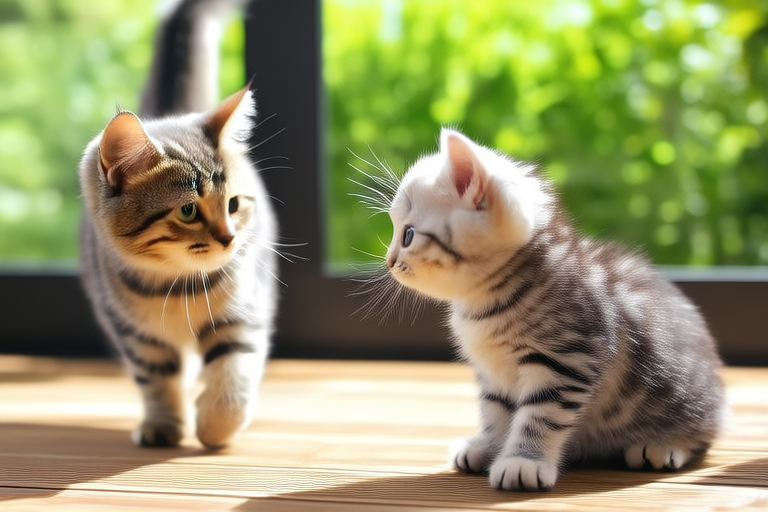
The Curious Case of the Short-Legged Munchkins
The world of feline breeds is rich with diversity, each offering unique attributes that make them stand out. Among these, the Munchkin cat is a particularly intriguing breed, known for its short legs and endearing demeanor. This article delves into the fascinating world of Munchkins, exploring their history, physical traits, temperament, health considerations, and dispelling common myths surrounding this beloved breed.
Origins and History
The Munchkin cat breed has a relatively recent history compared to other established breeds. The breed originated in the late 20th century when a breeder named Sandra Hochenedel discovered a pregnant cat with unusually short legs in Louisiana. This cat gave birth to several kittens, some of whom inherited the same characteristic. Hochenedel named the breed ‘Munchkin,’ inspired by the characters from L. Frank Baum’s “The Wizard of Oz.” The breed was officially recognized by The International Cat Association (TICA) in 2003, marking the beginning of its journey as a formal feline breed.
Despite their modern origins, Munchkins have captured the hearts of many cat enthusiasts due to their unique appearance and friendly nature. Their short legs are the result of a genetic mutation, which affects the growth plates in the long bones of their legs, causing them to stop growing earlier than usual. This mutation is similar to the one found in some dog breeds, such as Dachshunds and Corgis, leading to the term “catalogues” or “dwarf cats.”
Physical Traits
Munchkins are distinguished by their disproportionately short legs, which can range from slightly shorter to significantly shorter than standard cats. Their bodies are typically muscular and well-proportioned, with broad chests and sturdy builds. Despite their shorter legs, Munchkins are surprisingly agile and can jump higher than expected for their size. They come in a variety of coat lengths, colors, and patterns, making them visually appealing to many.
One of the most striking features of Munchkins is their large, expressive eyes, often set against a small head. Their ears are medium-sized and widely spaced, giving them an alert and curious appearance. Their tail, while sometimes shorter than average, is still proportionate to their body, adding to their overall charm. Munchkins can have either semi-longhair or shorthair coats, both of which require regular grooming to maintain their luxurious appearance.
Temperament and Personality
Beyond their distinctive looks, Munchkins are known for their affectionate and playful personalities. They are highly social creatures, often seeking out human interaction and companionship. Their friendly nature makes them excellent pets for families with children and other animals. Munchkins are intelligent and curious, always eager to explore their surroundings, and they enjoy interactive playtime with their owners.
These cats are generally calm and adaptable, making them suitable for various living environments, from apartments to spacious homes. Their playful yet gentle demeanor ensures that they are good-natured companions who can bring joy and entertainment to any household. However, it is important to note that like all pets, Munchkins require attention, mental stimulation, and proper care to thrive.
Health Considerations
While Munchkins are generally healthy, their unique genetic makeup does present some specific health concerns. One of the primary issues is spinal problems, which can arise due to the abnormal growth of their vertebrae. Conditions such as lordosis (an inward curvature of the spine) and pectus excavatum (a deformity of the chest wall) are more common in Munchkins than in other cat breeds. Regular veterinary check-ups are essential to monitor the health of their spine and ensure early intervention if necessary.
Another concern is obesity, which can exacerbate joint and spinal issues. It is crucial for owners to maintain a balanced diet and provide ample opportunities for exercise to keep their Munchkins fit and healthy. Obesity management also involves monitoring portion sizes and providing interactive toys to encourage physical activity. By addressing these potential health risks proactively, owners can help ensure a longer and healthier life for their Munchkin companions.
Popular Myths and Misconceptions
There are several myths and misconceptions surrounding the Munchkin breed that deserve clarification. One prevalent myth is that Munchkins are prone to respiratory issues due to their short legs. While it is true that some breeds with short faces, such as Persians, may suffer from breathing difficulties, Munchkins do not exhibit this trait. Their respiratory systems are generally unaffected by their leg length.
Another misconception is that Munchkins are less active than other cats. In reality, Munchkins are quite energetic and enjoy playing just as much as any other breed. Their agility and ability to jump can be surprising to those who assume otherwise. It is important to provide them with appropriate toys and climbing structures to satisfy their playful instincts.
Lastly, there is a belief that Munchkins are more susceptible to genetic disorders due to their unique physical characteristics. While it is true that certain health issues are more common in Munchkins, responsible breeding practices can significantly reduce the risk of genetic disorders. Reputable breeders prioritize the health and well-being of their cats, ensuring that potential health issues are minimized through careful selection and breeding.
Why Munchkins Are Sought After
The appeal of Munchkins lies not only in their unique physical appearance but also in their charming personalities. Their friendly and sociable nature makes them ideal companions for people looking for a loving and interactive pet. Additionally, their adaptability to different living situations and their ability to coexist peacefully with other pets and children make them versatile additions to households.
For those who appreciate the aesthetics of unique breeds, the Munchkin’s distinctively short legs and elegant posture offer a captivating visual appeal. The breed’s popularity continues to grow as more people discover the joys of owning a Munchkin cat. Whether you’re a seasoned cat enthusiast or a first-time pet owner, the Munchkin’s combination of beauty, intelligence, and affection can make them a delightful addition to your family.
Practical Advice for Potential Owners
If you’re considering bringing a Munchkin into your home, there are several practical steps you can take to ensure a smooth transition and a happy, healthy life for your new companion. First and foremost, it is essential to choose a reputable breeder who prioritizes the health and well-being of their cats. Responsible breeders will provide detailed information about the health history of their cats and ensure that they are up-to-date on vaccinations and deworming.
Once you’ve brought your Munchkin home, it’s important to create a comfortable and stimulating environment. Provide plenty of scratching posts, climbing structures, and interactive toys to keep your cat entertained and engaged. Regular grooming is also crucial, especially for Munchkins with semi-longhair coats, to prevent matting and skin irritations.
Lastly, don’t forget the importance of routine veterinary care. Schedule regular check-ups with your veterinarian to monitor your Munchkin’s health and address any potential issues early. By following these guidelines, you can ensure that your Munchkin enjoys a long and fulfilling life with you.
Conclusion
The Munchkin cat breed offers a unique blend of charm, intelligence, and affection that makes them a beloved choice among cat enthusiasts. With their short legs, endearing personalities, and playful spirits, Munchkins bring joy and entertainment to any household. While they do come with specific health considerations, responsible ownership and proactive care can help mitigate these risks and ensure a healthy, happy life for your Munchkin companion.
Whether you’re drawn to their distinctive appearance or their friendly demeanor, Munchkins are sure to captivate your heart and become cherished members of your family. Embrace the adventure of owning a Munchkin and experience the magic of these delightful little cats.
