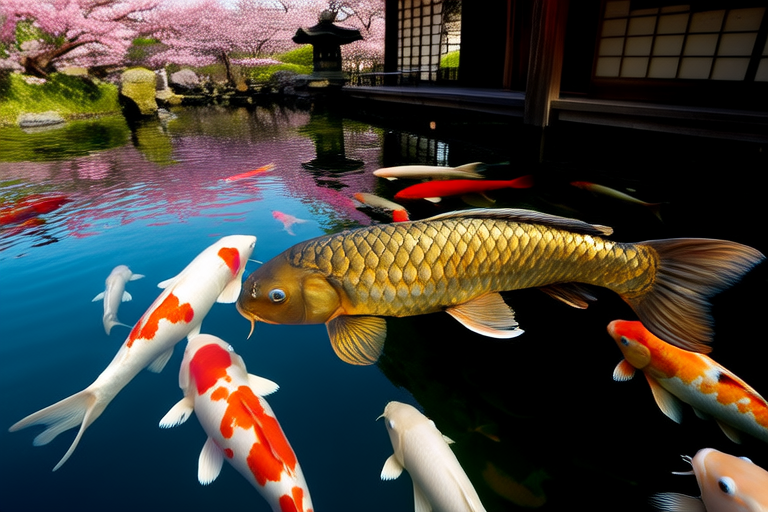
Uncover the Mysteries of Koi: The Majestic Fish of Japanese Ponds
Koi, also known as Nishikigoi, are more than just beautiful fish; they are symbols of fortune and beauty deeply rooted in Japanese culture. These majestic creatures have captivated hearts for centuries with their vibrant colors and graceful movements. In this article, we will explore the fascinating history, evolution, and cultural significance of koi, delve into the intricacies of their appearance, and provide essential tips for maintaining a healthy koi pond.
The Origins and Evolution of Koi
The journey of koi begins in ancient China, where they were initially bred as a food source. Over time, these hardy fish made their way to Japan, where they underwent significant transformations. The Japanese took a particular interest in their aesthetic qualities, leading to the development of various breeds. The wild carp, once plain and unremarkable, evolved into the colorful and striking koi we know today. This transformation was achieved through selective breeding practices that emphasized unique coloration and patterns.
It wasn’t until the mid-1800s that koi truly gained popularity in Japan. Initially, they were bred for their practical purposes, but over time, they became highly sought after for their ornamental value. The Japanese developed a deep appreciation for the beauty and symbolism of koi, which eventually spread beyond Japan’s borders. Today, koi are admired worldwide for their elegance and grace.
Varieties of Koi Fish
Koi come in a wide range of breeds, each with its own distinct characteristics. Some of the most popular varieties include Kohaku, Taisho Sanshoku, Showa Sanshoku, and Bekko. Each breed showcases different combinations of colors and patterns, making them visually stunning.
- Kohaku: Characterized by its red (Hi) and white (Shiro) pattern, Kohaku is one of the oldest and most cherished koi breeds. The contrast between these two colors creates a striking and elegant appearance.
- Taisho Sanshoku: Also known as Sanke, this breed features red, black, and white patterns. It is distinguished by its intricate and balanced color distribution.
- Showa Sanshoku: Showa Sanke combines red, black, and white, but unlike Taisho Sanke, it displays black as the dominant color. This breed is recognized for its bold and dynamic patterns.
- Bekko: This breed comes in three variations – Shirobekko (white base), Aka Bekko (red base), and Ki Bekko (yellow base). Each variety features a single color with contrasting black spots.
In addition to these popular breeds, there are many other types of koi, each with its own unique features and charm. The diversity of koi breeds allows for endless possibilities when creating a visually appealing pond.
The Significance of Koi in Japanese Art and Literature
Koi have long been a source of inspiration for artists and writers in Japan. They are often depicted in traditional paintings, sculptures, and textiles, symbolizing strength, perseverance, and good fortune. Koi are frequently featured in ukiyo-e prints, a form of woodblock printing that was popular during the Edo period. These prints often portrayed koi swimming upstream, representing the challenges and triumphs of life.
Moreover, koi are mentioned in numerous poems and stories, adding to their cultural significance. One famous tale is that of the Koi and the Dragon Gate, which tells the story of koi attempting to leap over a waterfall to reach the Dragon Gate. Those who succeed are said to transform into dragons, symbolizing the idea that hard work and determination can lead to success and transformation. This narrative has become a metaphor for personal growth and resilience in Japanese literature.
Maintaining a Healthy Koi Pond
Creating and maintaining a thriving koi pond requires attention to several key factors, including water quality, diet, and disease prevention.
Water Quality
Water quality is paramount for the health and well-being of your koi. Regular monitoring and maintenance of pH levels, ammonia, nitrite, and nitrate concentrations are essential. A stable pH level between 7.0 and 8.5 is ideal for koi, while ammonia and nitrite levels should be kept at zero, and nitrate levels should be maintained below 50 ppm. Proper filtration systems, regular water changes, and the use of beneficial bacteria can help maintain optimal water conditions.
Diet
A balanced diet is crucial for ensuring your koi remain healthy and vibrant. Koi require a mix of protein, fats, carbohydrates, vitamins, and minerals. High-quality commercial koi food, supplemented with occasional treats like fresh vegetables or insects, provides the necessary nutrients. Feeding should be done according to the temperature of the water, as koi are cold-blooded and their metabolism slows down in colder temperatures. It’s important not to overfeed, as excess food can pollute the pond and harm the koi.
Common Diseases and Prevention
Like any aquatic animal, koi are susceptible to various diseases. Common ailments include ich (white spot disease), fin rot, and bacterial infections. To prevent these issues, maintain proper water quality, quarantine new fish before introducing them to the main pond, and avoid overcrowding. If you notice signs of illness, such as abnormal behavior, lesions, or discoloration, consult a veterinarian specializing in aquatic animals for appropriate treatment.
Spiritual and Symbolic Meanings of Koi
Beyond their physical beauty, koi hold deep spiritual and symbolic meanings in Japanese culture. They are often associated with perseverance, strength, and good fortune. The image of koi swimming against the current is particularly powerful, as it represents the ability to overcome obstacles and achieve one’s goals. This symbolism makes koi a popular subject in meditation and personal reflection.
Many people find solace and tranquility in watching koi swim gracefully in their ponds. The gentle movements of these majestic fish can evoke a sense of peace and calm, making them ideal companions for those seeking moments of serenity. Whether you are an experienced aquarist or simply appreciate the beauty of nature, koi offer a unique opportunity for personal growth and spiritual connection.
In conclusion, koi are not only captivating creatures but also carriers of profound cultural significance. Their journey from wild carp to revered symbols of beauty and strength is a testament to the power of human creativity and dedication. By understanding and appreciating the rich history and symbolism of koi, we can deepen our connection with these magnificent fish and enhance our enjoyment of keeping them in our ponds. Whether you are drawn to their vibrant colors, graceful movements, or the peace they bring, koi offer a world of wonder and inspiration for all who encounter them.
