How to Care for Your Coral Shrimp Like a Pro: Tips and Tricks
Welcome to the vibrant world of coral shrimp! These fascinating creatures have become increasingly popular among aquarium enthusiasts due to their striking appearance and relatively easy care requirements. Coral shrimp, scientifically known as Symphalangus syndactylus, are small, colorful crustaceans that can add a splash of color and life to any marine or reef aquarium. This guide will walk you through everything you need to know about caring for your coral shrimp like a pro, from setting up their perfect environment to maintaining their health and happiness.
Introduction to Coral Shrimp
Coral shrimp, also known as cleaner shrimp, are native to the tropical and subtropical waters of the Indo-Pacific region. They thrive in coral reefs and rocky crevices where they can find food and shelter. These shrimp are known for their symbiotic relationships with other marine animals, cleaning them of parasites and dead tissue. Their presence in an aquarium can promote a healthy ecosystem by keeping other fish clean and reducing the spread of diseases.
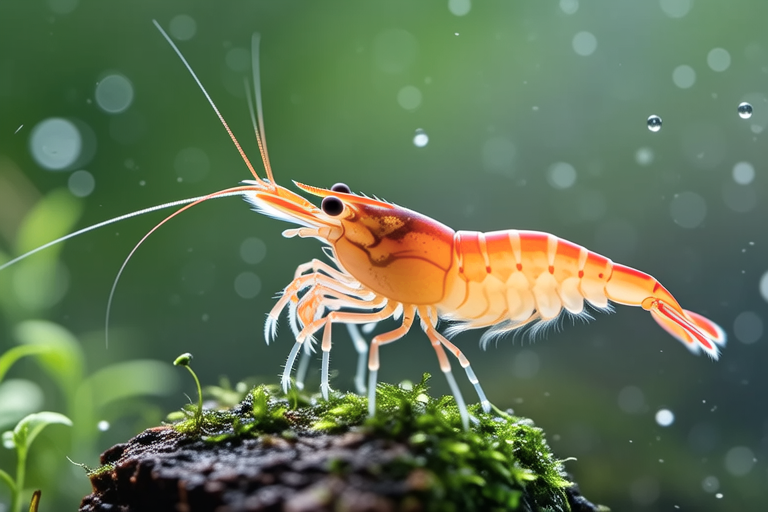
Coral shrimp are not only beneficial to the aquarium’s ecosystem but are also visually appealing. They come in various colors, including red, blue, green, and even bi-color patterns. Their translucent bodies and long antennae make them a delightful addition to any marine tank.
Natural Habitat and Why They Make Great Pets
In their natural habitat, coral shrimp live in shallow, warm waters near coral reefs and rocky outcrops. They are nocturnal creatures, meaning they are most active during the night when they search for food and interact with their environment. In captivity, coral shrimp adapt well to aquarium life, making them ideal pets for both beginners and experienced aquarists.
These shrimp are hardy and can tolerate a wide range of water conditions, provided they are stable. They are also peaceful and can coexist with many other species of fish and invertebrates, making them excellent additions to community tanks. Additionally, coral shrimp are relatively low maintenance, requiring minimal attention compared to some other aquatic pets.
Setting Up the Perfect Aquarium Environment
Water Parameters
The first step in setting up a coral shrimp-friendly aquarium is ensuring the water parameters are optimal. Coral shrimp prefer water temperatures between 74°F and 82°F (23°C to 28°C). The pH level should be maintained at around 8.1 to 8.4, and the specific gravity should be kept between 1.020 and 1.025. Regular testing of these parameters is crucial to ensure the health and longevity of your shrimp.
Ammonia and nitrite levels should always be zero, while nitrate levels should be kept as low as possible, ideally below 20 ppm. Maintaining these water parameters requires diligent monitoring and regular water changes.
Tank Mates
Coral shrimp are peaceful and can coexist with a variety of tank mates. However, it is essential to choose compatible species that will not pose a threat to the shrimp. Avoid keeping coral shrimp with aggressive or predatory fish such as lionfish, triggerfish, or large angelfish. Instead, opt for smaller, non-aggressive fish like clownfish, damselfish, or blennies.
Other invertebrates, such as hermit crabs, sea stars, and certain types of snails, can also make suitable tank mates. Just ensure that the tank mates are not overly aggressive or competitive for food.
Decorations and Hiding Places
Coral shrimp require plenty of hiding places and decorations to feel secure and thrive. Incorporate live rock, caves, and overhangs into your aquarium setup to provide ample hiding spots. Live rock not only serves as a hiding place but also contributes to the biological filtration of the tank by hosting beneficial bacteria.
Adding plants and driftwood can further enhance the aesthetic appeal of the aquarium while providing additional hiding spots for the shrimp. Ensure that all decorations are securely placed to prevent potential injuries to the shrimp.
Feeding Habits and Dietary Needs
Coral shrimp are omnivores, meaning they eat both plant-based and animal-based foods. In the wild, they feed on algae, detritus, and small organisms. In captivity, they can be fed a variety of prepared foods, including frozen brine shrimp, mysis shrimp, and flake food designed for marine fish.
It is important to offer a balanced diet to ensure the shrimp receive all necessary nutrients. Supplementing their diet with algae wafers or dried seaweed can help maintain their health and promote vibrant coloration. Feeding coral shrimp once or twice daily is generally sufficient, but monitor their eating habits to avoid overfeeding.
Maintaining Water Quality and Health Monitoring
Regular maintenance is key to keeping your coral shrimp healthy and happy. Perform weekly water changes of approximately 10% to 20% of the tank volume to remove accumulated waste and toxins. Use a high-quality filter to keep the water clean and well-oxygenated.
Monitor the shrimp’s behavior and appearance regularly for signs of stress or illness. Healthy coral shrimp are active, colorful, and display normal swimming patterns. Any changes in behavior, such as lethargy, loss of color, or erratic movements, may indicate underlying issues that require attention.
If you notice any signs of disease, quarantine the affected shrimp immediately and consult a veterinarian specializing in aquatic animals for proper diagnosis and treatment.
Advanced Care Tips
For more experienced aquarists, there are several advanced care techniques that can enhance the well-being of your coral shrimp. One such technique is introducing a refugium, a separate section of the aquarium dedicated to growing macroalgae and other beneficial organisms. A refugium can provide additional hiding spots and food sources for the shrimp, contributing to a healthier overall ecosystem.
Another advanced tip is incorporating a protein skimmer into your filtration system. Protein skimmers help remove organic waste and excess nutrients from the water, promoting clearer water and a more stable environment for your shrimp.
Common Mistakes to Avoid
One common mistake is overstocking the aquarium with too many shrimp or incompatible tank mates. Overcrowding can lead to increased competition for food and space, causing stress and potential aggression among the shrimp.
Another frequent error is neglecting regular water changes and maintenance. Failing to maintain proper water quality can result in elevated toxin levels, leading to stress and disease in the shrimp.
Lastly, avoid using medications or chemicals that are harmful to invertebrates. Many treatments for fish diseases are toxic to shrimp and can cause severe harm or death if used improperly.
Conclusion
Caring for coral shrimp can be a rewarding and enjoyable experience. By understanding their natural habitat and specific care requirements, you can create a thriving environment for these beautiful creatures. Remember to maintain optimal water parameters, choose appropriate tank mates, and provide a stimulating and secure living space. With the right knowledge and dedication, you can enjoy the company of these captivating shrimp for years to come.
