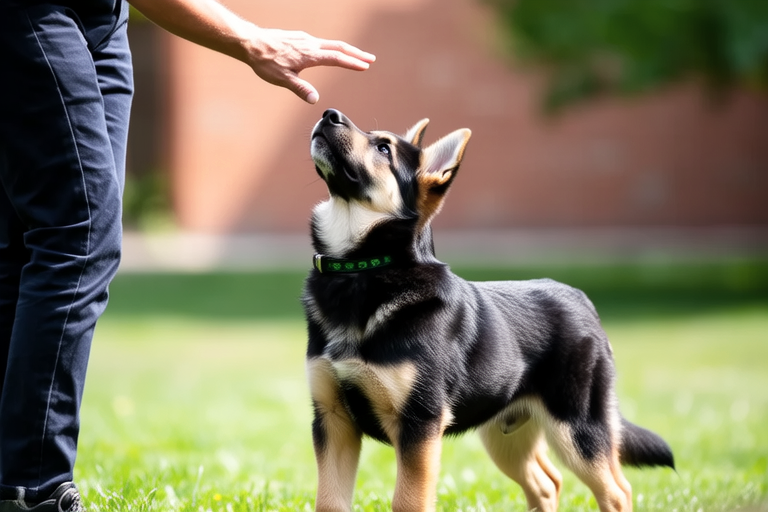
How To Train Your German Shepherd: Expert Tips For A Well-Behaved Pup
Introduction
Welcome to the world of German Shepherd ownership! Known for their intelligence, loyalty, and protective nature, German Shepherds are among the most popular dog breeds. However, with great power comes great responsibility. Proper training is essential to ensure your German Shepherd becomes a well-behaved, happy, and healthy companion. This article will guide you through the process of training your German Shepherd, providing expert tips and actionable advice to help you succeed.
Basic Obedience Training
The foundation of any good training program is basic obedience. Teaching your German Shepherd commands such as sit, stay, come, down, and heel can prevent behavioral issues and promote a strong bond between you and your dog. Start training early, preferably when your puppy is around six weeks old. Use positive reinforcement techniques, like treats and praise, to reward desired behaviors. Consistency is key; always use the same command word and hand signals for each action.
Begin with simple commands like ‘sit.’ Hold a treat above your dog’s nose and slowly move it backward until they lower their bottom to the ground. As soon as they sit, say ‘good sit’ and give them the treat. Gradually phase out treats as your dog learns the command. Repeat this process several times a day, keeping sessions short (5-10 minutes) to maintain your dog’s focus.
The ‘stay’ command requires patience. Start by asking your dog to sit or lie down. Hold your hand palm up and say ‘stay.’ Take a step back, then return and reward if they remain in position. Gradually increase the distance and duration as your dog masters the command.
Socialization Techniques
Socialization is crucial for German Shepherds, especially during their critical period from three to sixteen weeks. Expose your puppy to various environments, people, animals, and situations to build confidence and reduce fear-based aggression. Positive experiences during this time can lead to a well-adjusted adult dog.
Introduce your puppy to different people, including those of varying ages, genders, and ethnicities. Let them experience different surfaces, sounds, and smells. Attend puppy classes or dog parks where they can interact with other dogs under controlled conditions. Always supervise interactions to ensure safety and positive experiences.
Desensitization is another important aspect of socialization. Gradually expose your dog to potentially frightening stimuli, like loud noises or unfamiliar objects, in a controlled manner. Reward calm behavior to reinforce positive associations.
Understanding German Shepherd Behavior
To effectively train your German Shepherd, it’s important to understand their natural behaviors and instincts. German Shepherds are working dogs bred for tasks like herding, guarding, and search and rescue. They have a strong sense of hierarchy and may challenge authority if they perceive themselves as the alpha. Establishing yourself as the pack leader is crucial for successful training.
German Shepherds are also highly intelligent and sensitive, responding well to positive reinforcement. They thrive on mental stimulation and physical exercise. Providing ample opportunities for both will help prevent boredom-related behaviors like chewing or digging.
Additionally, German Shepherds are prone to anxiety and separation issues. Separation anxiety can manifest as destructive behavior, excessive barking, or inappropriate elimination when left alone. Address these concerns by gradually increasing the amount of time your dog spends alone, providing toys or puzzles for mental stimulation, and ensuring they get enough physical activity before being left alone.
Common Challenges and Solutions
Training a German Shepherd can present unique challenges due to their size, strength, and intelligence. Some common issues include biting, jumping, and pulling on the leash. Here are some solutions:
- Biting: Redirect biting behavior to appropriate chew toys. If your dog bites too hard, say ‘ouch’ and immediately stop play. Offer a toy instead and praise them when they bite it correctly.
- Jumping: Teach your dog to sit when greeting people. When they jump, turn away and ignore them. Once they sit, offer praise and attention.
- Pulling on the leash: Use a head collar or harness to control pulling. Practice walking exercises, rewarding your dog for walking beside you without pulling.
Consistency and patience are vital in addressing these challenges. Remember that every dog is an individual, and what works for one may not work for another. Be flexible and willing to try different approaches if necessary.
Nutritional Considerations for Optimal Training Results
A balanced diet is essential for optimal training results. Feed your German Shepherd high-quality dog food that meets their specific needs based on age, weight, and activity level. Consult with your veterinarian to determine the appropriate portion sizes and feeding schedule.
Proper hydration is also crucial. Ensure your dog has access to clean water at all times. Dehydration can affect your dog’s energy levels and concentration, making training more challenging.
Incorporate mental stimulation into mealtime by using puzzle toys or feeding balls. These activities provide mental engagement while satisfying your dog’s hunger.
Tips for Maintaining Discipline and Consistency
Maintaining discipline and consistency is key to successful training. Set clear rules and boundaries from the beginning, and enforce them consistently. Avoid mixed messages by having all family members use the same commands and consequences.
Use positive reinforcement to encourage good behavior. Reward your dog with treats, praise, or affection whenever they follow a command or exhibit desired behavior. Over time, gradually reduce the frequency of rewards as your dog learns to follow commands without them.
Be patient and persistent. Training takes time and effort, but with consistent practice, your German Shepherd will become a well-behaved, obedient companion. Celebrate small victories along the way to keep both you and your dog motivated.
Conclusion
Training your German Shepherd is a rewarding journey that strengthens the bond between you and your furry friend. By following these expert tips and maintaining discipline and consistency, you’ll be well on your way to raising a well-behaved, happy, and healthy German Shepherd. Remember, every dog is unique, so be patient and adaptable in your approach. With dedication and love, your German Shepherd will become a valued member of your family.
