Pack Life: Navigating the Challenges and Rewards of Owning a Siberian Husky
Siberian Huskies: A Brief Introduction
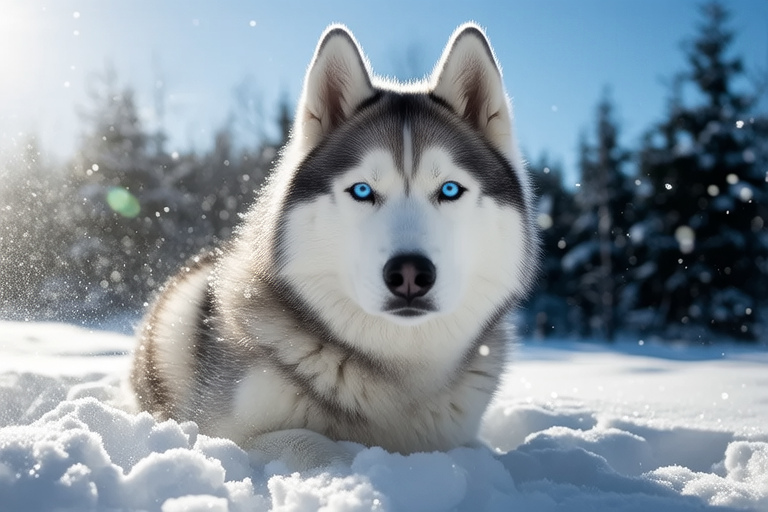
The Siberian Husky is a breed that captivates many with its striking blue or multi-colored eyes and thick, luxurious coat. Originally bred by the Chukchi people of Northeastern Asia for sled-pulling and herding, these dogs have a rich history dating back over a thousand years. Their endurance, strength, and resilience made them invaluable in harsh Arctic conditions. Today, they are cherished pets and companions, bringing joy and adventure to many homes.
Unique Characteristics
Siberian Huskies are known for their wolf-like appearance, which adds to their allure. They possess a double coat that protects them from the cold, making them well-suited for snowy environments. Their medium build and muscular physique allow them to perform tasks requiring stamina and agility. Despite their imposing looks, they are generally gentle, friendly, and social, making them excellent family pets. However, their independent nature and strong will can sometimes pose challenges for new owners.
Challenges of Ownership
High Energy Levels
Siberian Huskies were bred to pull sleds across long distances, and this heritage translates into a high level of energy. They require significant physical activity to thrive. Without adequate exercise, they may become restless and destructive. Regular walks, runs, and play sessions are essential to keep them physically and mentally stimulated.
Strong Prey Drive
Due to their hunting instincts, Siberian Huskies have a strong prey drive, particularly towards small animals like cats, rabbits, and birds. This can lead to conflicts if not properly managed. Early socialization and training are crucial to mitigate these tendencies.
Tendency to Wander
Huskies have a natural instinct to roam and explore. Their adventurous spirit and strong sense of direction make them prone to wandering off if given the opportunity. Ensuring they are contained securely is vital to prevent them from escaping and facing potential dangers.
Tips for Meeting Challenges
Proper Training Techniques
Consistent and positive reinforcement training is key to managing a Siberian Husky’s behavior. Reward-based training methods, such as clicker training, can be highly effective. Patience and consistency are necessary, as Huskies can be stubborn and independent. It’s important to establish yourself as the pack leader early on to guide their behavior effectively.
Sufficient Exercise Routines
To meet their high energy needs, Huskies require at least one to two hours of daily exercise. This can include running, hiking, and playing fetch. Engaging in activities that challenge their minds, such as puzzle toys or obedience training, can also help expend excess energy.
Effective Containment Methods
To prevent wandering, it’s crucial to have secure fencing around your property. The fence should be at least six feet high and buried several inches deep to prevent digging. Additionally, using a leash or harness during walks can ensure they stay close by. Microchipping and ID tags are also recommended for identification purposes.
Rewards of Ownership
Loyalty and Companionship
Despite their independent nature, Siberian Huskies are fiercely loyal to their families. They form strong bonds and provide unwavering companionship. Their playful and affectionate demeanor makes them delightful companions for children and adults alike.
Intelligence
Huskies are intelligent and quick learners, which can be both a blessing and a curse. Their ability to understand commands and solve problems allows them to excel in various activities, such as agility courses and obedience competitions. However, their intelligence can also lead to mischief if not adequately challenged.
Expert Opinions
Dr. Sarah Thompson, a veterinarian specializing in canine behavior, emphasizes the importance of early socialization and consistent training for Huskies. “These dogs are incredibly smart and energetic,” she says. “With proper guidance, they can become well-behaved and loving members of any family.”
Personal Anecdotes
John, a proud Husky owner, shares his experience. “My Husky, Bella, is full of surprises. She’s always up for an adventure and keeps me on my toes. But with the right balance of exercise and mental stimulation, she’s a joy to have around. Her loyalty and companionship are priceless.”
Advice for Potential Owners
Owning a Siberian Husky is a rewarding but demanding commitment. Prospective owners should be prepared for the challenges and responsibilities involved. Regular exercise, mental stimulation, and proper training are essential to ensure a happy, healthy life for both the owner and the dog.
Before adopting a Husky, it’s wise to research extensively and visit shelters or rescue organizations to find the perfect match. Consulting with experienced Husky owners or breeders can provide valuable insights and support.
Conclusion
Siberian Huskies are a unique and fascinating breed with a rich history and distinctive characteristics. While they present certain challenges, their loyalty, companionship, and intelligence make them beloved pets. By understanding and addressing their needs, owners can enjoy a fulfilling and rewarding relationship with their Siberian Husky.
