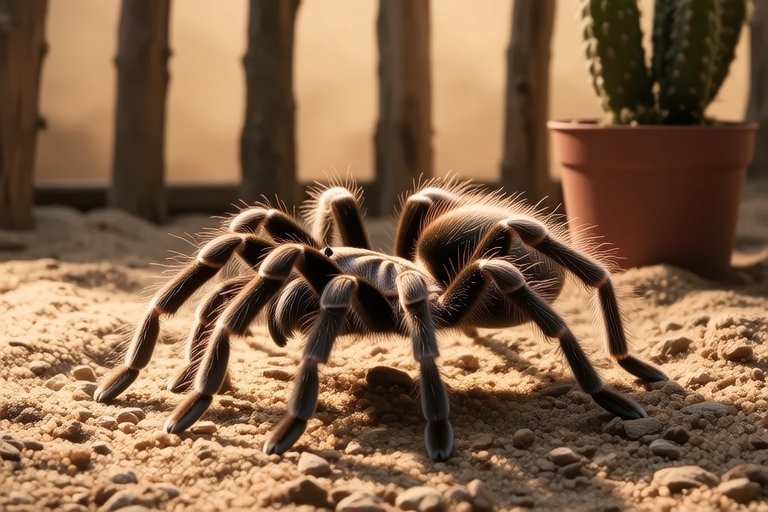
The Complete Guide to Handling and Housing Your Chilean Rose Tarantula
Welcome to the world of tarantulas! If you’re considering getting a pet tarantula, the Chilean Rose (Grammostola rosea) is an excellent choice for beginners. Known for its docile temperament and relatively low maintenance, this species is one of the most popular choices among tarantula enthusiasts. This guide will provide you with all the information you need to ensure your Chilean Rose lives a healthy and happy life.
1. Ideal Habitat Setup
Creating the perfect habitat for your Chilean Rose tarantula is crucial for its well-being. The enclosure should mimic the natural environment of these arachnids as closely as possible.
- Enclosure Size: A 5-gallon tank is suitable for an adult Chilean Rose. Juveniles can be housed in smaller enclosures, but they should be upgraded as they grow.
- Substrate: Use a substrate that retains moisture but allows for burrowing. Coconut fiber, peat moss, or a mixture of both works well. Aim for a depth of about 3-4 inches.
- Hiding Places: Provide ample hiding spots such as cork bark, half logs, or commercially available hide boxes. These help reduce stress and provide security.
- Decorations: Adding non-toxic plants or driftwood can enhance the aesthetic appeal of the enclosure while offering additional climbing opportunities.
2. Temperature and Humidity Requirements
Maintaining the correct temperature and humidity levels is essential for the health of your Chilean Rose.
- Temperature: The ambient temperature within the enclosure should range between 75°F and 85°F (24°C to 29°C). Use a thermometer to monitor the temperature regularly.
- Humidity: Keep the humidity level at around 60-70%. This can be achieved by misting the substrate occasionally or placing a water dish in the enclosure.
3. Diet Specifics
Feeding your Chilean Rose correctly ensures optimal health and longevity.
- Insects: Feed your tarantula crickets, mealworms, or dubia roaches. Gut-load insects with nutritious food before feeding them to your tarantula to maximize nutritional value.
- Frequency: Feed juveniles every 5-7 days, while adults can be fed less frequently, approximately once every two weeks.
- Prey Size: Ensure the prey item is no larger than half the width of the tarantula’s abdomen to prevent injury during feeding.
4. Safe Handling Techniques
Handling your Chilean Rose requires caution due to their delicate nature.
- Gloves: Always wear gloves when handling your tarantula to protect yourself from potential bites and to avoid transferring oils from your skin to the tarantula.
- Position: Gently scoop the tarantula from under its body, supporting its legs and abdomen. Avoid grabbing it by the legs or abdomen.
- Duration: Limit handling sessions to a few minutes to minimize stress on the tarantula.
5. Common Health Issues
Understanding potential health problems can help you provide better care for your Chilean Rose.
- Dehydration: Look for dry exoskeletons or lack of movement. Increase humidity levels and offer water in a shallow dish.
- Parasites: Regularly inspect your tarantula for signs of parasites. Seek professional advice if you suspect infestation.
- Molting Problems: Molting issues can occur if environmental conditions are not optimal. Ensure proper humidity and temperature. Do not disturb the tarantula during molting.
6. Tips for Beginners
Starting with a Chilean Rose can be exciting yet daunting. Here are some tips to ease the transition:
- Research: Before purchasing, thoroughly research the species to understand its specific needs.
- Patience: Tarantulas may not be as interactive as other pets, so patience is key. Enjoy observing their behaviors rather than expecting immediate interaction.
- Community: Join online forums or local groups dedicated to tarantula keeping. These communities offer valuable advice and support.
Conclusion
Owning a Chilean Rose tarantula can be a rewarding experience, providing hours of fascination and learning. By setting up the right habitat, maintaining appropriate environmental conditions, feeding properly, handling safely, and being aware of potential health issues, you’ll be well-equipped to care for your new pet. Remember, each tarantula is unique, so adapt your care routine based on individual needs. Happy tarantula keeping!
