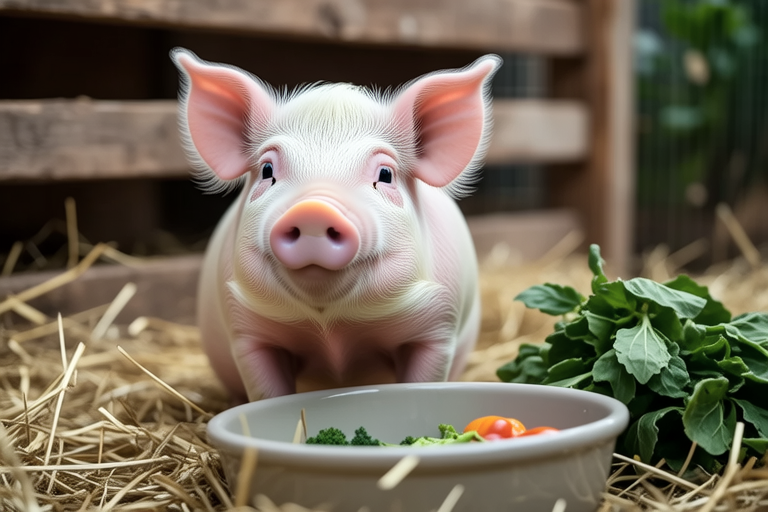
The Ultimate Guide to Creating an Ideal Habitat for Your Guinea Pig
Guinea pigs, also known as cavies, are delightful pets that require proper care and attention to thrive. Providing them with an ideal habitat is crucial for their well-being. This comprehensive guide covers all the essential aspects of creating a perfect living space for your guinea pig, including appropriate cage size, bedding materials, ventilation, temperature control, hiding spots, toys for enrichment, feeding areas, litter training tips, cleaning schedules, and safety measures.
Selecting the Right Location
Choosing the right location for your guinea pig’s habitat is important to ensure they are comfortable and safe. The ideal spot should be away from drafts and direct sunlight, as these can cause discomfort or even health issues. A quiet area with minimal foot traffic is preferable, as guinea pigs are sensitive to loud noises. Additionally, avoid placing the cage near windows or doors where sudden changes in temperature might occur. Opt for a room with consistent temperatures, ideally between 65°F and 75°F (18°C to 24°C).
Appropriate Cage Size
Providing ample space is vital for your guinea pig’s physical and mental health. The minimum recommended cage size for one guinea pig is 7.5 square feet (0.7 square meters). For two guinea pigs, you should provide at least 10.5 square feet (1 square meter). Larger cages allow more room for exercise, which helps prevent obesity and promotes overall health. Ensure there are no gaps larger than 1 inch (2.5 cm) in the cage floor to prevent injury.
Bedding Materials
Selecting the right bedding material is crucial for maintaining your guinea pig’s comfort and hygiene. Avoid cedar and pine shavings, as they can cause respiratory problems. Instead, opt for soft, absorbent materials like paper-based bedding or recycled paper products. These options are safer and less likely to irritate your pet’s skin or respiratory system. Change the bedding regularly to prevent odors and maintain cleanliness.
Ventilation and Temperature Control
Proper ventilation is essential for maintaining air quality within the cage. Ensure there are adequate air circulation openings, but avoid placing the cage in drafty areas. Use a fan or air purifier if necessary to improve air quality, especially in homes with smokers or other pets. To maintain optimal temperature, place the cage away from heating vents, radiators, or air conditioning units. Monitor the temperature regularly and adjust as needed to keep it within the recommended range.
Hiding Spots and Enrichment Toys
Guinea pigs need hiding spots to feel secure and reduce stress. Cardboard boxes, tunnels, or small igloos make excellent hideouts. Rotate these items periodically to keep your pet engaged and stimulated. In addition to hiding spots, provide toys for enrichment, such as chew toys, tunnels, and treat-dispensing puzzles. These activities help prevent boredom and promote mental stimulation. Rotate toys every few weeks to maintain interest and encourage exploration.
Feeding Areas
Designate specific areas within the cage for food and water dishes. Place these dishes away from soiled areas to minimize contamination. Consider using heavy-duty bowls or bottles designed for guinea pigs to prevent tipping. Position the water bottle at a height that allows easy access without causing strain. Regularly check and refill these areas to ensure fresh food and water are always available.
Litter Training Tips
While guinea pigs may not fully understand litter training, you can encourage them to use a specific area by providing a litter box filled with unscented, paper-based litter. Place the litter box in a corner of the cage where your guinea pig naturally eliminates. Clean the litter box daily and replace the litter weekly to maintain hygiene. Praise your guinea pig when they use the designated area to reinforce positive behavior.
Cleaning Schedules
Maintaining a regular cleaning schedule is essential for keeping your guinea pig’s habitat clean and hygienic. Remove soiled bedding and waste daily, and thoroughly clean the entire cage once a week. Use mild, pet-safe disinfectants to sanitize surfaces and rinse thoroughly before allowing your guinea pig back into the cage. Avoid harsh chemicals or strong scents that could irritate your pet’s respiratory system. Replace all bedding after each deep cleaning.
Safety Measures
To ensure your guinea pig’s safety, take precautions against potential hazards. Cover any exposed wires or cords to prevent chewing. Secure the cage to prevent tipping or accidental falls. Check for sharp edges or protrusions that could cause injury. Regularly inspect the cage and its contents for signs of wear and tear, replacing damaged items promptly. Keep the cage away from curious children or other pets that might pose a threat.
Maintaining Hygiene and Preventing Health Issues
Proper hygiene is crucial for preventing common health issues associated with improper habitat setup. Regularly clean and disinfect the cage, food and water dishes, and toys to eliminate bacteria and parasites. Monitor your guinea pig for signs of illness, such as lethargy, loss of appetite, or abnormal droppings. Promptly address any health concerns by consulting a veterinarian. Providing a clean, well-maintained habitat significantly reduces the risk of infections and other health problems.
Conclusion
Creating an ideal habitat for your guinea pig involves careful consideration of various factors, including cage size, bedding materials, ventilation, temperature control, hiding spots, toys for enrichment, feeding areas, litter training tips, cleaning schedules, and safety measures. By following this comprehensive guide, you can ensure your guinea pig lives in a comfortable, stimulating environment that promotes their physical and mental well-being. Regular maintenance and attention to detail will help prevent health issues and create a happy, healthy companion for years to come.
