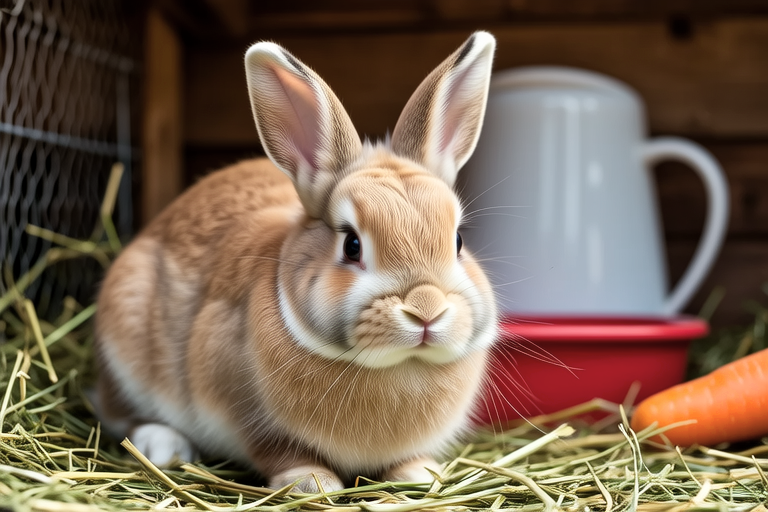
Raising Happy and Healthy Dutch Dwarf Rabbits
Welcome to your comprehensive guide on raising happy and healthy Dutch Dwarf rabbits! This delightful breed, known for their compact size and striking appearance, requires specific care to thrive. From housing to diet, exercise, grooming, health care, and socialization, this guide will provide you with all the essential information to create a nurturing environment for your Dutch Dwarf rabbits.
Understanding Dutch Dwarf Rabbits
Dutch Dwarf rabbits are one of the smallest breeds, typically weighing between 1.5 to 2.5 pounds. They are known for their friendly and gentle temperament, making them ideal pets for families. Their distinctive coloring includes a white base with contrasting colored ears, face, and tail, which adds to their charm. Understanding their unique characteristics is crucial for providing proper care.
Housing Your Dutch Dwarf Rabbit
Selecting the Right Cage
The first step in providing a suitable living space for your Dutch Dwarf rabbit is choosing the right cage. The cage should be large enough for your rabbit to move around comfortably, stretch out fully, and have enough room for toys and bedding. A minimum cage size of 24 inches by 24 inches by 18 inches high is recommended. However, larger cages are always better if space permits.
Ensure the cage has a solid floor to prevent injuries from wire flooring. Additionally, the cage should be easy to clean and have good ventilation to prevent respiratory issues. Wire cages are popular due to their ease of cleaning, but they require a solid surface for your rabbit’s feet to prevent splay leg, a condition where the hind legs spread outward.
Creating a Safe Environment
Place the cage in a quiet area away from direct sunlight, drafts, and extreme temperatures. Rabbits are sensitive to temperature changes, so maintaining a consistent environment is vital. Ideally, the temperature should be between 60°F and 70°F (15°C to 21°C). Avoid placing the cage near windows or doors where drafts can occur.
Provide your rabbit with a litter box filled with paper-based litter or hay. This helps in training your rabbit to use the bathroom in a specific area, reducing mess and odor. Place the litter box in a corner of the cage where your rabbit naturally goes to the bathroom.
Bedding and Accessories
Use soft, absorbent bedding such as shredded paper, recycled newspaper products, or pelleted bedding. Avoid cedar and pine shavings, as they can cause respiratory problems. Provide your rabbit with a comfortable resting place, like a cozy nest box lined with soft towels or blankets. Additionally, include chew toys and tunnels to stimulate your rabbit’s natural behaviors and prevent boredom.
Diet for Dutch Dwarf Rabbits
Feeding Hay
Hay is the cornerstone of a rabbit’s diet. It provides essential fiber for digestion and helps maintain dental health. Offer unlimited access to high-quality grass hay, such as timothy hay, orchard grass, or oat hay. Alfalfa hay is rich in calcium and protein and should only be given to young, growing rabbits or pregnant/nursing does.
Fresh Vegetables
In addition to hay, provide fresh vegetables daily. Leafy greens, such as romaine lettuce, spinach, and kale, are excellent choices. Introduce new vegetables gradually to avoid digestive upset. Limit the amount of high-sugar vegetables, such as carrots and bell peppers, to no more than one tablespoon per two pounds of body weight per day.
Commercial Rabbit Pellets
Commercial rabbit pellets can be fed in moderation. Choose pellets that are high in fiber and low in protein. Feed approximately 1/8 cup per 2 pounds of body weight daily. Overfeeding pellets can lead to obesity and other health issues, so monitor your rabbit’s weight and adjust the amount accordingly.
Water
Always provide fresh, clean water. Use a water bottle with a sipper tube to prevent spillage and contamination. Check the water bottle regularly to ensure it is functioning correctly and refill it daily.
Exercise and Enrichment
Supervised Playtime
Dutch Dwarf rabbits need regular exercise to stay healthy and happy. Allow supervised playtime outside the cage in a safe, enclosed area. This provides an opportunity for your rabbit to explore, run, and jump. Always supervise your rabbit during playtime to prevent accidents.
Toys and Activities
Enrich your rabbit’s environment with toys and activities that encourage natural behaviors. Provide chew toys made from untreated wood or cardboard, tunnels, and platforms for climbing. Rotate toys periodically to keep your rabbit engaged and stimulated.
Outdoor Time
If possible, allow your rabbit some time outdoors in a secure, predator-proof enclosure. Direct sunlight and fresh air can benefit your rabbit’s overall well-being. Ensure the enclosure is shaded and has protection against extreme weather conditions.
Grooming and Hygiene
Bathing
Rabbits are generally clean animals and rarely require bathing. If your rabbit becomes excessively dirty or has a medical condition requiring bathing, use a mild, pet-safe shampoo and warm water. Gently rinse and dry your rabbit thoroughly to prevent chills.
Brushing
Regular brushing helps remove loose fur and prevents hairballs. Use a soft-bristled brush or a slicker brush designed for small animals. Brush your rabbit at least once a week, paying special attention to areas prone to matting, such as behind the ears and under the chin.
Trimming Nails
Trimming your rabbit’s nails is essential for their comfort and mobility. Use nail clippers specifically designed for small animals. Be cautious not to cut into the quick, which contains blood vessels and nerves. If you’re unsure, consult a veterinarian or a professional groomer for guidance.
Health Care
Veterinary Checkups
Schedule regular veterinary checkups to ensure your rabbit’s health. A veterinarian experienced in exotic animal care is preferable. During these visits, discuss any concerns, update vaccinations, and perform routine examinations.
Common Health Issues
Be aware of common health issues that can affect Dutch Dwarf rabbits:
- Dental Problems: Malocclusion, where teeth do not align properly, can cause pain and difficulty eating. Provide plenty of hay and chew toys to help wear down teeth naturally.
- Gastrointestinal Stasis: This occurs when the digestive system slows down or stops moving. Symptoms include decreased appetite, lethargy, and infrequent droppings. Prevent gastrointestinal stasis by maintaining a balanced diet and providing adequate exercise.
- Respiratory Infections: These can be caused by poor ventilation, drafts, or overcrowding. Keep the living environment clean and well-ventilated to reduce the risk.
Emergency Preparedness
Knowing how to handle emergencies is crucial. Familiarize yourself with local veterinarians who specialize in rabbits and keep emergency contact information readily available. Learn basic first aid techniques and know when to seek immediate veterinary care.
Socialization and Bonding
Handling and Training
Handle your rabbit gently and frequently to build trust and confidence. Begin handling sessions when your rabbit is young and continue throughout its life. Use positive reinforcement, such as treats and praise, to reward good behavior. Teach basic commands, such as coming when called, to strengthen the bond between you and your rabbit.
Interaction with Other Pets
Introducing your Dutch Dwarf rabbit to other pets requires careful supervision. Ensure introductions are gradual and supervised to prevent aggression or injury. Rabbits are prey animals and may become stressed or frightened around larger pets.
Spaying and Neutering
Spaying or neutering your rabbit is highly recommended. Not only does it prevent unwanted litters, but it also reduces the risk of certain cancers and behavioral issues. Discuss spaying or neutering options with your veterinarian and consider the procedure at the appropriate age, usually around four to six months old.
Avoiding Common Pitfalls
Overfeeding
One common mistake is overfeeding your rabbit. Excessive amounts of pellets or treats can lead to obesity and related health issues. Stick to the recommended portion sizes and offer a balanced diet primarily consisting of hay.
Poor Housing Conditions
Providing inadequate living space or unsuitable bedding can negatively impact your rabbit’s health and well-being. Ensure the cage is spacious, well-ventilated, and equipped with appropriate bedding and accessories.
Lack of Socialization
Rabbits thrive on interaction and mental stimulation. Neglecting to spend quality time with your rabbit can lead to behavioral problems and stress. Make socialization a priority and provide opportunities for play and bonding.
Conclusion
Raising happy and healthy Dutch Dwarf rabbits requires dedication, knowledge, and attention to detail. By following this comprehensive guide, you’ll be well-equipped to provide a nurturing environment for your beloved pet. Remember to stay informed about your rabbit’s needs, seek professional advice when necessary, and enjoy the rewarding companionship of your Dutch Dwarf rabbit.
