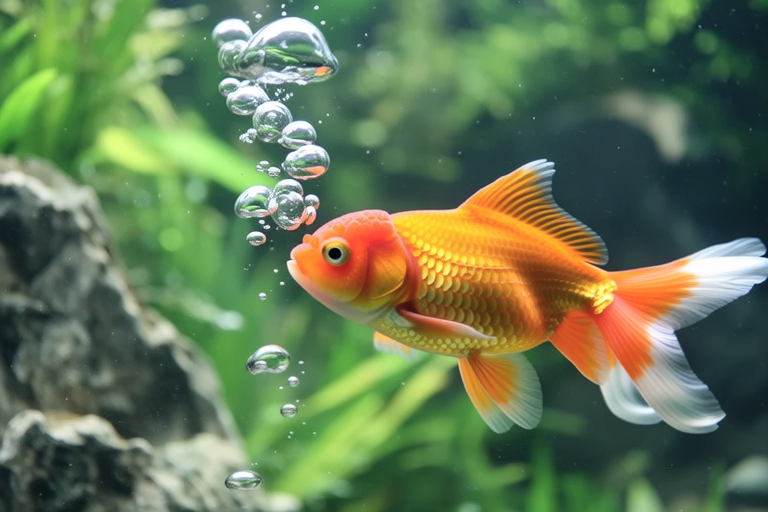
Bubbles and Beyond: Amazing Facts About Your Goldfish
Welcome to the fascinating world of goldfish! These charming creatures have captivated humans for centuries with their vibrant colors and graceful movements. But there’s much more to these seemingly simple pets than meets the eye. In this article, we’ll dive into some amazing facts about your goldfish, exploring their behavior, intelligence, lifespan, and unique care requirements. We’ll also provide you with practical tips to ensure your goldfish live long, healthy lives.
Goldfish Behavior and Intelligence
Contrary to popular belief, goldfish are not just passive swimmers. They exhibit a range of interesting behaviors and possess surprising levels of intelligence. For instance, goldfish can recognize their owners and even respond to them. Studies have shown that they can be trained to perform simple tasks, such as swimming through hoops or touching a target. This ability to learn and remember is thanks to their impressive memory span.
Goldfish have a memory capacity of up to three months, which is far longer than the common misconception of just three seconds. This means they can recall past events, locations, and even specific individuals. They can also distinguish between different shapes, colors, and sounds. For example, they can learn to associate feeding times with particular noises or actions, like the sound of the water being disturbed when you approach their tank.
The Lifespan of Goldfish
Goldfish can live for many years under the right conditions. In fact, some goldfish have been known to survive for over 20 years! The average lifespan of a goldfish is around 10 to 15 years, but this can vary depending on factors such as water quality, diet, and the size of their living space. Proper care and attention can significantly extend their life expectancy.
One key factor in ensuring a long life for your goldfish is providing them with ample space. Contrary to what many believe, goldfish should not be kept in small bowls. A single goldfish requires at least 20 gallons of water, and each additional fish should have another 10 gallons. This is because goldfish produce waste, and smaller tanks can quickly become polluted, leading to health issues and a shorter lifespan.
Care Tips for Healthy Goldfish
Maintaining a healthy aquarium environment is crucial for the well-being of your goldfish. Here are some practical tips to help you create the best possible home for your aquatic friends:
- Water Quality: Regularly test the water for pH, ammonia, nitrite, and nitrate levels. Keep the pH between 6.5 and 7.5, and maintain low levels of ammonia and nitrite. Perform partial water changes weekly to remove toxins and refresh the water.
- Diet: Feed your goldfish a balanced diet consisting of high-quality flake food, pellets, and occasional treats like freeze-dried or frozen foods. Avoid overfeeding, as excess food can pollute the water. Feed them only what they can consume within two minutes.
- Temperature: Maintain a stable temperature between 68°F and 74°F (20°C and 23°C). Avoid sudden temperature fluctuations, as these can stress your fish and weaken their immune system.
- Filtration: Use a good quality filter that provides mechanical, biological, and chemical filtration. This will help keep the water clean and free from harmful substances.
- Lighting: Provide a consistent light cycle, typically 8-12 hours per day. Avoid exposing your goldfish to direct sunlight, as it can cause algae growth and increase water temperatures.
Unique Needs of Goldfish
Goldfish have specific needs that set them apart from other aquarium fish. One of the most important aspects of their care is their need for oxygen-rich water. Goldfish are cold-water fish, meaning they require cooler temperatures and higher oxygen levels compared to tropical fish. This is why it’s essential to provide adequate filtration and aeration in their tank.
Another unique requirement for goldfish is their need for space to swim freely. Goldfish are active swimmers and enjoy exploring their surroundings. Providing plenty of open swimming areas, along with some hiding spots and plants, can help stimulate their natural behaviors and reduce stress.
Scientific Insights into Goldfish
Recent scientific research has shed light on several intriguing aspects of goldfish biology. For example, studies have shown that goldfish have a highly developed sense of taste and can distinguish between different flavors. They also have excellent vision, capable of detecting colors and patterns. Their eyes are particularly sensitive to ultraviolet light, which helps them navigate and find food in their natural habitats.
In addition, goldfish have a unique respiratory system that allows them to breathe air directly from the surface if necessary. While they primarily obtain oxygen from the water through their gills, they can also absorb oxygen through their skin and mouth lining. This adaptation enables them to survive in poorly oxygenated environments for short periods.
Creating a Stimulating Environment
To keep your goldfish happy and engaged, it’s important to create a stimulating environment in their tank. This can include adding various decorations, plants, and structures that encourage exploration and play. Some popular choices include caves, tunnels, and floating plants. You can also incorporate interactive elements, such as food-dispensing toys or moving objects that simulate prey.
Regularly rotating decorations and rearranging the layout of the tank can also help prevent boredom and keep your goldfish mentally stimulated. Remember to choose non-toxic materials and ensure all items are safe for your fish to interact with.
Conclusion
Goldfish are more than just pretty fish swimming in circles. They are intelligent, social animals with complex behaviors and unique needs. By understanding and meeting these needs, you can provide your goldfish with a healthy, enriching environment that promotes longevity and happiness. With proper care and attention, your goldfish can thrive and bring joy to your home for many years to come.
So, the next time you see your goldfish gliding gracefully through their tank, take a moment to appreciate the fascinating world beneath the bubbles. From their remarkable memory to their playful nature, there’s always something new and exciting to discover about these delightful creatures.
