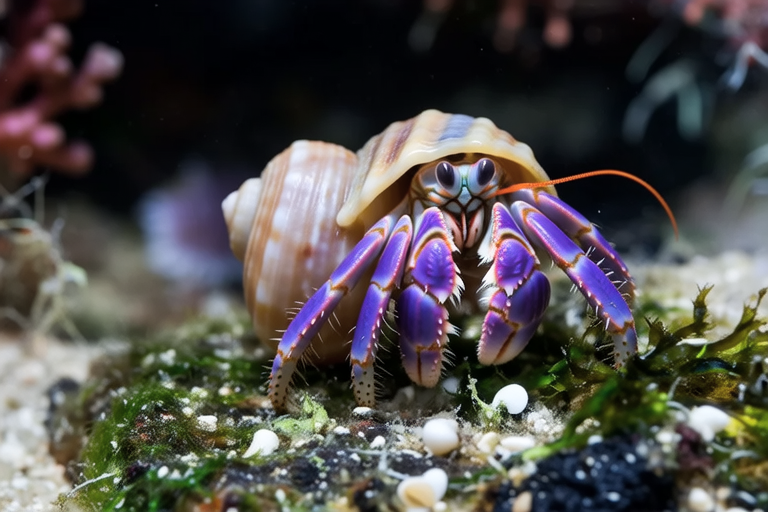
Top 10 Myths About Hermit Crabs Debunked – It’s Time to Reconsider!
Hermit crabs are fascinating creatures that have captured the hearts of many animal lovers. These small crustaceans are known for their unique characteristic of living inside discarded shells, which they use as protection from predators. While they may seem simple, hermit crabs are complex animals with intriguing behaviors and needs. In this article, we will debunk ten common myths about hermit crabs, encouraging you to reconsider your preconceived notions about these delightful creatures.
Introduction to Hermit Crabs
Hermit crabs are not true crabs but belong to the superfamily Paguroidea. They are found in both marine and terrestrial environments across the globe. Their most distinctive feature is their ability to carry around a shell, which they find and adopt when they outgrow their previous one. This behavior showcases their adaptability and resourcefulness. Despite their name, hermit crabs are often social animals, especially in the wild, where they can be found in large groups. They are also known for their nocturnal habits and their tendency to emerge during the night to search for food.
Myth 1: Hermit Crabs Are Not Social Creatures
Myth: Hermit crabs prefer solitude and are happiest when left alone.
Reality: Contrary to popular belief, hermit crabs are actually quite social animals. In the wild, they are often found in large groups, sharing spaces and interacting with one another. Studies have shown that hermit crabs exhibit behaviors such as mutual grooming and even helping each other find suitable shells. In captivity, they also benefit from companionship. Providing multiple hermit crabs with adequate space and resources can lead to more active and healthier pets.
Myth 2: Hermit Crabs Can Survive Without Water
Myth: Hermit crabs don’t need water; they only need humidity.
Reality: While it’s true that hermit crabs require high humidity levels to survive, they also need access to fresh water. Marine hermit crabs, in particular, need saltwater to drink. Terrestrial species also need freshwater for drinking and soaking, which helps them shed their exoskeletons. A lack of water can lead to dehydration, stress, and ultimately, death. Always provide a shallow dish of clean, fresh water for your hermit crabs.
Myth 3: Hermit Crabs Only Live in Shells
Myth: Hermit crabs are completely dependent on shells for survival.
Reality: Although hermit crabs use shells for protection, they are not solely dependent on them. In fact, there are some species of hermit crabs that have evolved to live without shells. For example, the coconut crab (Birgus latro) is a terrestrial hermit crab that has abandoned the shell entirely. As it grows, it develops a thick exoskeleton that provides adequate protection against predators. This shows that while shells are beneficial, they are not essential for all hermit crab species.
Myth 4: Hermit Crabs Are Harmless to Other Pets
Myth: Hermit crabs are safe to keep with other pets like fish or reptiles.
Reality: While hermit crabs are generally peaceful creatures, they can pose risks to other pets. For instance, hermit crabs can be harmful to fish if introduced into a tank. The tiny bits of debris they carry from their shells can affect water quality and potentially harm fish. Similarly, some reptiles might see hermit crabs as prey. It’s crucial to research and ensure compatibility before introducing hermit crabs to any other pets.
Myth 5: Hermit Crabs Don’t Need to Change Shells
Myth: Once a hermit crab finds a perfect shell, it never needs to change.
Reality: Hermit crabs grow throughout their lives and must periodically change shells to accommodate their increasing size. This process is vital for their health and mobility. Owners should provide a variety of shells in different sizes and shapes to ensure their hermit crabs have options for when they’re ready to move. Regularly rotating the available shells can also stimulate natural behavior and prevent stress.
Myth 6: Hermit Crabs Hibernate During the Day
Myth: Hermit crabs are inactive during the day and only come out at night.
Reality: While hermit crabs are more active at night, they are not strictly nocturnal. They tend to be less active during the day, but this doesn’t mean they hibernate. Providing a balanced environment with appropriate lighting and temperature cycles can help simulate their natural habitat and encourage more daytime activity. This can enhance their overall well-being and interaction with their surroundings.
Myth 7: Hermit Crabs Don’t Need Food
Myth: Hermit crabs can survive without food as long as they have water.
Reality: Like any other living creature, hermit crabs require a balanced diet to thrive. They eat a variety of foods, including fruits, vegetables, and proteins. Commercial hermit crab food can be supplemented with fresh produce like apples, carrots, and leafy greens. Offering a diverse diet ensures they get the necessary nutrients for growth and vitality. Feeding them regularly and removing uneaten food promptly can also prevent spoilage and maintain hygiene.
Myth 8: Hermit Crabs Are Easy to Care For
Myth: Hermit crabs are low-maintenance pets that require minimal attention.
Reality: While hermit crabs are relatively easy to care for compared to some other pets, they still have specific environmental and dietary needs. Proper care includes maintaining optimal humidity levels, providing fresh water, ensuring adequate ventilation, and offering a variety of food. Neglecting these requirements can lead to health issues and a shortened lifespan. Regular cleaning of their habitat and monitoring their behavior can help detect any problems early.
Myth 9: Hermit Crabs Can’t Feel Pain
Myth: Hermit crabs are insensitive to pain and can be handled roughly.
Reality: Hermit crabs have sensitive nervous systems and can feel pain. Handling them gently and avoiding sudden movements or excessive squeezing is important. Additionally, placing them in environments that are too hot or cold can cause discomfort. Understanding and respecting their sensitivity can lead to a healthier and happier pet.
Myth 10: Hermit Crabs Have Short Lifespans
Myth: Hermit crabs only live for a few years.
Reality: With proper care, hermit crabs can live for several decades. Some species have been known to reach ages of 30 years or more. Factors such as diet, habitat conditions, and overall care significantly influence their lifespan. Ensuring they have a suitable environment and regular veterinary check-ups can help them live longer, healthier lives.
Tips for Proper Hermit Crab Care
To ensure your hermit crabs lead healthy and happy lives, consider the following tips:
- Provide a spacious tank with plenty of hiding spots and climbing areas.
- Ensure high humidity levels by misting the tank daily and using a humidifier if necessary.
- Offer a variety of shells in different sizes and shapes.
- Include fresh water and food dishes, and replace water frequently.
- Monitor temperature and lighting to mimic their natural habitat.
- Regularly clean the tank to maintain hygiene and prevent illness.
By debunking these common myths, we hope you’ve gained a deeper appreciation for hermit crabs and their unique needs. It’s time to reconsider your understanding of these remarkable creatures and give them the care they deserve. Remember, with the right knowledge and dedication, you can provide a wonderful home for these fascinating pets.
