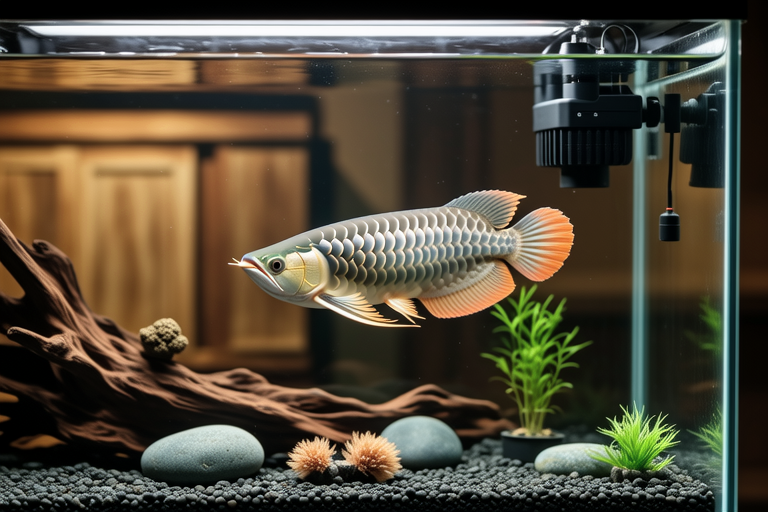
Tank Titan: How to Set Up the Perfect Habitat for Your Arowana
Arowanas are majestic fish that have captivated the hearts of many aquarists with their striking appearance and unique behaviors. Originating from the Amazon Basin and Southeast Asia, these freshwater giants are known for their long, sleek bodies, which can grow up to three feet in length. If you’re considering adding an arowana to your aquarium, it’s crucial to understand how to set up the perfect habitat to ensure their health and well-being. This guide will walk you through the essential aspects of creating an optimal environment for your arowana.
Understanding the Needs of Arowanas
Arowanas are active swimmers that require plenty of space to move around. They are also territorial and need sufficient hiding spots to feel secure. Given their size and activity level, setting up a suitable tank is paramount. Let’s delve into the specifics of what you need to consider when preparing your arowana’s home.
Tank Size
The first and most critical factor in setting up a tank for an arowana is the tank size. These fish grow large and need ample swimming room. A minimum tank size of 300 gallons is recommended for a single adult arowana. However, if you plan to house multiple arowanas or other fish species, you’ll need even larger tanks. For example, a 48-inch by 24-inch by 24-inch tank provides about 172 gallons of water, which is suitable for one adult arowana but may be too small if you want to add more fish or decorations.
Water Parameters
Temperature
Optimal temperature for arowanas ranges between 78°F and 84°F (25°C to 29°C). It’s important to maintain a stable temperature as fluctuations can stress the fish and lead to health issues. Use a reliable heater to keep the water warm and a thermometer to monitor the temperature regularly.
pH Levels
Arowanas prefer slightly acidic to neutral water with a pH range of 6.0 to 7.5. Regular testing with a pH kit will help you keep track of the water chemistry and make necessary adjustments. If the pH level drifts outside this range, you might need to adjust it using pH buffers or additives available at pet stores.
Filtration Systems
Effective filtration is crucial for maintaining water quality and ensuring the health of your arowana. Arowanas produce a significant amount of waste due to their size and diet, so a robust filtration system is necessary. Choose a high-quality external canister filter that provides adequate flow and mechanical, biological, and chemical filtration. The filter should turn over the entire volume of water at least four times per hour.
Lighting
Proper lighting is essential for both the health of your arowana and the aesthetic appeal of your aquarium. Arowanas are diurnal fish, meaning they are active during the day. They benefit from a consistent light cycle, typically 8 to 10 hours of light followed by darkness. LED lights are popular choices as they provide bright, efficient illumination and come in various color temperatures to suit different preferences.
Substrate Type
The choice of substrate can influence the overall look of your tank and the health of your arowana. Many aquarists opt for smooth gravel or sand as substrates because they are easy to clean and less likely to irritate the fish. Avoid sharp-edged substrates like crushed coral or coarse gravel, which could harm your arowana. Additionally, a darker substrate can enhance the appearance of your fish, making them stand out more.
Decor and Hiding Spots
Providing ample swimming space and hiding spots is vital for arowanas. These fish enjoy exploring their environment and having places to retreat when they feel threatened. Decorations such as driftwood, large rocks, and artificial plants can serve as both hiding spots and enrichment for your arowana. Make sure any decorations are securely placed and won’t topple over, potentially injuring your fish.
Dietary Requirements and Feeding Habits
Arowanas are carnivorous and require a varied diet rich in protein. Their natural diet consists of insects, smaller fish, and crustaceans. In captivity, they can be fed a combination of live foods, frozen foods, and commercial pellets designed for large predatory fish. Feed your arowana once or twice daily, offering as much food as they can consume within five minutes. Overfeeding can lead to water quality issues and obesity, so it’s essential to monitor their intake carefully.
Maintaining Water Quality and Tank Cleanliness
Regular maintenance is key to keeping your arowana’s tank clean and healthy. Perform partial water changes weekly, replacing approximately 10% to 20% of the total water volume. This helps remove accumulated waste and toxins, maintaining water quality. Additionally, vacuum the substrate to remove debris and uneaten food. Clean the filter media every two weeks, ensuring that it remains effective without clogging.
Conclusion
Setting up the perfect habitat for your arowana requires careful planning and attention to detail. By providing a spacious tank, appropriate water parameters, efficient filtration, proper lighting, suitable substrate, and enriching decor, you can create a thriving environment for your magnificent fish. Remember to prioritize their dietary needs and maintain excellent water quality to ensure their long-term health and happiness. With the right setup, your arowana will thrive, bringing joy and wonder to your aquatic world.
