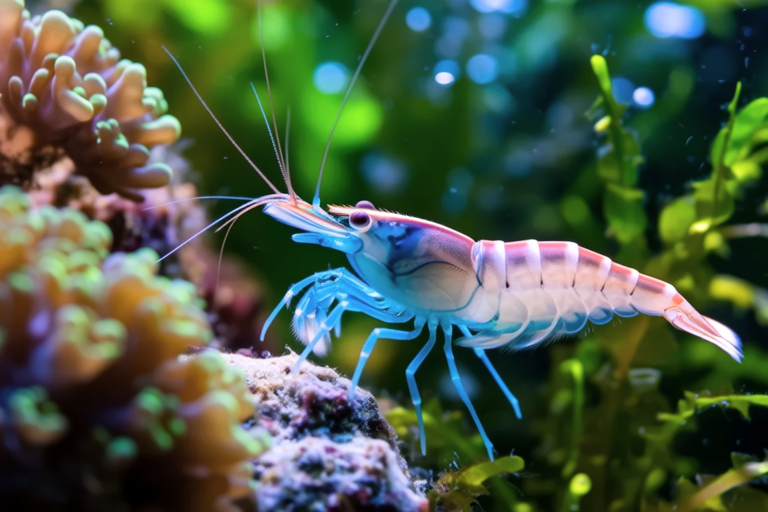
How to Create an Ideal Habitat for Your Colorful Coral Shrimp Friends
Welcome to the vibrant world of colorful coral shrimp! These tiny, fascinating creatures add a splash of color and life to any aquarium. Understanding their needs and creating a suitable habitat will ensure that your coral shrimp thrive. This guide covers everything from understanding their natural habitat to maintaining a healthy environment.
Understanding the Natural Habitat of Coral Shrimp
Coral shrimp, like many other aquatic animals, have specific environmental preferences derived from their natural habitats. They are native to tropical and subtropical waters around the world, particularly in the Indo-Pacific region. In the wild, they live among coral reefs, rocky outcrops, and seagrass beds. The reef structure provides them with both shelter and food, making it essential to replicate these conditions in captivity.
These shrimp are typically found in areas with moderate water flow, which mimics the gentle currents of their ocean homes. They prefer well-lit environments but also require hiding spots to retreat to when necessary. By understanding these preferences, you can better design an aquarium that meets their needs.
Essential Tank Setup Parameters
Temperature
Maintaining the correct temperature is crucial for the health of your coral shrimp. Ideally, the water should be kept between 75°F and 82°F (24°C to 28°C). Use a reliable aquarium heater and thermometer to monitor and adjust the temperature as needed. Sudden changes in temperature can stress the shrimp, so ensure gradual adjustments over time.
pH Levels
The optimal pH range for coral shrimp is slightly alkaline, between 8.1 and 8.4. This mimics the conditions found in their natural saltwater environments. Regularly test the water using a high-quality pH testing kit to ensure stability. If necessary, use appropriate buffers or additives to maintain the desired pH level.
Water Flow
Coral shrimp thrive in environments with moderate water flow. A gentle current helps simulate their natural habitat and encourages them to swim and explore. However, avoid overly strong currents that could exhaust the shrimp. Consider using powerheads or wavemakers to achieve the right balance.
Suitable Tank Mates
Choosing compatible tank mates is vital for the well-being of your coral shrimp. While they are generally peaceful, they can be sensitive to aggressive or predatory species. Good companions include small, non-aggressive fish such as cardinal tetras, neon tetras, and dwarf gouramis. Avoid larger, more aggressive fish like cichlids or puffers that may prey on the shrimp.
In addition to fish, consider adding other invertebrates like snails or hermit crabs. These animals share similar environmental needs and can provide additional interest in your tank. Always research potential tank mates thoroughly to ensure compatibility.
Diet and Feeding Guidelines
Providing a balanced diet is key to keeping your coral shrimp healthy and active. Their diet should consist of both plant-based and protein-rich foods. High-quality flake foods, algae wafers, and pellets designed for marine invertebrates are excellent choices. Additionally, offer occasional treats such as frozen brine shrimp, bloodworms, or spirulina-enriched foods.
Feed your shrimp small amounts several times a day rather than large meals once a day. This mimics their grazing behavior in the wild and prevents waste buildup. Monitor the amount of uneaten food to avoid polluting the tank.
Regular Maintenance Tips
Consistent maintenance is crucial for maintaining a healthy aquarium environment. Perform partial water changes every two weeks, replacing about 10-15% of the total volume each time. This helps remove accumulated toxins and refreshes the water quality.
Regularly clean the filter media and perform routine checks on equipment like heaters and pumps. Inspect the tank for any signs of damage or leaks. By staying proactive, you can prevent potential problems before they escalate.
Common Health Issues and Preventive Measures
Despite your best efforts, coral shrimp may still encounter health issues. One common problem is molting difficulties, where the shrimp struggles to shed its exoskeleton. To prevent this, ensure proper calcium and magnesium levels in the water. Adding supplements specifically formulated for marine invertebrates can support healthy molting.
Another issue is bacterial infections, which can cause lethargy, loss of appetite, and discolored bodies. Maintain pristine water quality through regular water changes and filtration. Quarantine new additions to the tank to minimize the risk of introducing pathogens.
If you notice any unusual behavior or physical symptoms, consult with an experienced aquarist or veterinarian specializing in marine life for guidance.
By following these guidelines, you can create a thriving home for your colorful coral shrimp friends. Remember that each shrimp has unique needs, so observe their behavior closely and adjust care accordingly. Enjoy the beauty and wonder of these captivating creatures in your own aquarium!
