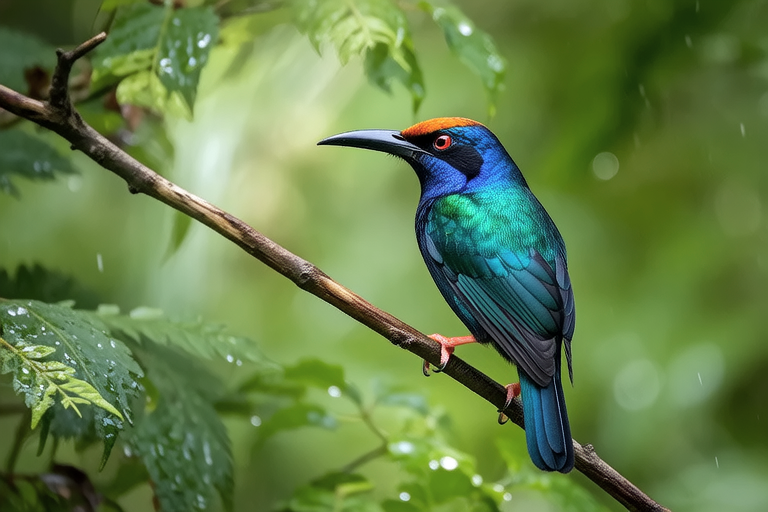
The Japalura: A Charming and Unique Bird Species
The Japalura, also known as the Crested Lory or the Japalura Sulphur-Crested Cockatoo, is a fascinating bird species that has captured the hearts of many bird enthusiasts. This bird is not only visually stunning but also possesses unique behaviors and care requirements that make it an ideal pet for those who are ready to take on the challenge. In this article, we will delve into the appearance, behavior, and care requirements of the Japalura, sharing personal anecdotes and insights to help you understand why this bird is a heart-stealing addition to any family.
Appearance
The Japalura is a medium-sized bird, typically measuring around 30 cm in length from beak to tail. Its most striking feature is its vibrant plumage, which varies depending on the specific subspecies. The Sulphur-Crested Cockatoo, for instance, boasts a bright yellow crest that contrasts beautifully with its white body and grey wings. Other subspecies may have different colorations, such as green, red, or even black and white patterns. The Japalura’s eyes are dark and expressive, adding to its charm. The bird’s beak is strong and curved, designed for cracking open seeds and nuts.
One of the most captivating aspects of the Japalura is its crest. When the bird feels threatened or excited, it raises its crest, creating a striking display that can be both intimidating and mesmerizing. Watching a Japalura raise its crest is like witnessing a small, feathered drama unfold before your eyes.
Behavior
Japaluras are intelligent and social birds that thrive on interaction with their human companions. They are known for their playful nature and love for toys, often spending hours engaging with various objects in their environment. These birds are highly curious and enjoy exploring their surroundings, making them excellent candidates for enrichment activities.
One of the most endearing traits of the Japalura is its affectionate nature. Many owners report that their Japaluras form strong bonds with their caretakers, often seeking physical contact and showing signs of attachment. I once had a Japalura named Charlie who would follow me around the house, perching on my shoulder whenever possible. His constant companionship was both comforting and amusing.
Despite their generally friendly demeanor, Japaluras can sometimes exhibit aggressive tendencies, particularly during mating season or when feeling territorial. It’s important to understand these behavioral changes and provide appropriate outlets for their energy. Providing a variety of toys and ensuring adequate space can help prevent frustration and aggression.
Dietary Needs
The Japalura’s diet should consist primarily of a high-quality commercial pellet mix, supplemented with fresh fruits, vegetables, and occasional treats. It’s essential to offer a balanced diet to ensure optimal health and longevity. Some recommended foods include apples, bananas, carrots, and leafy greens. Avoid feeding your Japalura avocados, chocolate, caffeine, or alcohol, as these can be toxic to birds.
As a responsible owner, it’s crucial to monitor your Japalura’s weight and adjust its diet accordingly. Overfeeding can lead to obesity, while underfeeding can result in malnutrition. I once encountered a Japalura owner who was struggling with her bird’s weight issues. After consulting with a veterinarian, she adjusted the bird’s diet and incorporated more exercise into its routine, leading to a healthier and happier pet.
Habitat Preferences
A spacious cage is essential for a Japalura’s well-being, providing ample room for movement and mental stimulation. The cage should be large enough to allow the bird to spread its wings fully and comfortably. A minimum size of 4 feet long, 2 feet wide, and 3 feet tall is recommended. Additionally, the cage should have multiple perches of varying diameters to promote foot health and prevent boredom.
Providing a stimulating environment is key to keeping your Japalura happy and engaged. Incorporating a variety of toys, swings, and foraging opportunities can help keep your bird mentally sharp. I once observed a Japalura named Max who spent hours playing with a homemade puzzle toy. Watching him figure out how to retrieve treats from the toy was both entertaining and educational.
It’s important to remember that Japaluras are sensitive to environmental changes, so maintaining a consistent temperature and humidity level is crucial. Keep the cage away from drafts, direct sunlight, and noisy areas. Regular cleaning of the cage and perches is necessary to prevent the buildup of bacteria and ensure a healthy living environment.
Interaction with Humans
Japaluras are highly social creatures that enjoy interacting with their human companions. They are known for their ability to mimic sounds and even learn simple phrases, making them delightful conversationalists. However, it’s important to note that teaching your Japalura to speak requires patience and consistency.
Positive reinforcement techniques, such as offering treats and praise, can be effective in training your Japalura. One of my friends, Sarah, successfully taught her Japalura, Lily, to say “hello” by consistently rewarding the bird with a favorite treat each time it made the sound. Lily now greets visitors with a cheerful “hello,” much to everyone’s delight.
While Japaluras can be affectionate, they may also exhibit possessive behavior towards their caretakers. This can manifest as jealousy or aggression towards other people or pets. It’s important to introduce new individuals to your Japalura gradually and consistently reinforce positive interactions. I once witnessed a Japalura named Oliver become extremely protective of his owner, displaying aggressive behavior towards strangers. With time and proper training, Oliver learned to tolerate and eventually welcome new faces.
Conclusion
The Japalura is a heart-stealing addition to any family, offering a unique blend of beauty, intelligence, and companionship. Its vibrant plumage, playful nature, and affectionate disposition make it a cherished pet for many bird enthusiasts. While caring for a Japalura requires dedication and attention to detail, the rewards are immeasurable. Whether you’re a seasoned bird owner or considering your first pet bird, the Japalura is sure to captivate your heart and bring joy to your home.
