Unveiling the Mysteries of Koi Behavior: What Their Actions Mean
Welcome to the fascinating world of koi fish! These colorful, graceful creatures are more than just beautiful decorations for your pond; they are complex beings with behaviors that can tell us a lot about their well-being and needs. Understanding koi behavior is key to providing them with the best possible care. In this article, we will explore various aspects of koi behavior, including swimming patterns, feeding habits, and social interactions. We’ll also delve into some scientific insights to help you better understand what your koi are trying to communicate.
Swimming Patterns: A Window into Koi’s World
One of the most noticeable aspects of koi behavior is their swimming patterns. Koi often swim in groups, sometimes darting around the pond in a coordinated manner. This group swimming is not merely for fun; it serves several purposes. Firstly, it helps them locate food sources efficiently. Secondly, it provides protection from predators. By staying close together, they increase their chances of survival. You might notice that when one koi starts moving, others quickly follow, creating a ripple effect throughout the group.
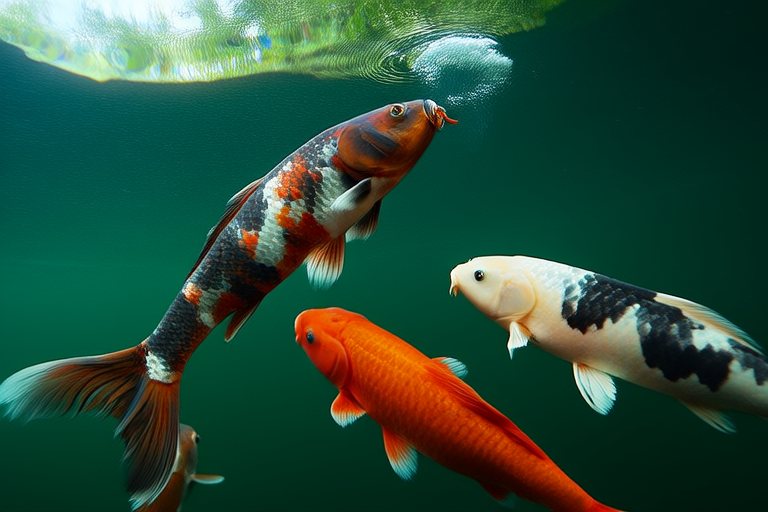
Sometimes, koi may swim erratically or near the surface, which could indicate stress or discomfort. Factors such as poor water quality, insufficient oxygen, or sudden changes in temperature can cause this behavior. It’s essential to monitor your pond’s conditions regularly to ensure your koi are comfortable. If you observe unusual swimming patterns, check the pH levels, ammonia, nitrite, and nitrate concentrations in the water. Adjustments might be necessary to maintain optimal conditions.
Feeding Habits: The Key to a Happy Pond
Koi have distinct feeding habits that can vary depending on the time of year and environmental factors. During spring and summer, when temperatures are warmer, koi are more active and have increased appetites. They become very responsive to food, often gathering at the pond’s edge when they sense feeding time. This is a great opportunity for you to interact with your koi and strengthen the bond between you and your pets.
In contrast, during colder months, koi tend to slow down both physically and metabolically. They may become less interested in food as their bodies conserve energy. However, it’s important to continue feeding them but adjust the frequency and type of food. Opt for sinking pellets or granules that sink slowly, allowing koi to find them even when they’re less active.
Observing your koi’s feeding habits can also reveal health issues. If your koi are reluctant to eat, it might be a sign of illness or stress. Pay attention to their appetite changes and consult a veterinarian if you suspect any problems. Feeding your koi correctly not only keeps them healthy but also contributes to their vibrant colors and overall vitality.
Social Interactions: The Bonds Among Koi
Koi are social animals and enjoy interacting with each other. They form hierarchies within their groups, much like many other species. Dominant koi usually assert themselves by chasing or nipping at subordinate ones. While this behavior can sometimes appear aggressive, it’s generally a way of establishing order rather than causing harm. Subordinate koi often retreat to less visible areas of the pond to avoid confrontations.
Understanding these social dynamics can help you manage your koi pond more effectively. If you introduce new koi into an existing group, be prepared for some initial tension as the hierarchy is reestablished. Provide ample hiding spots and ensure there’s enough space for all koi to feel comfortable. Overcrowding can lead to increased stress and aggression among the fish.
Additionally, koi can develop strong bonds with their human caretakers. They learn to associate you with food and may become more responsive to your presence over time. This interaction can be rewarding for both you and your koi, enhancing the enjoyment of having them as pets.
The Role of Environment in Shaping Koi Behavior
The environment plays a crucial role in shaping koi behavior. The design of your pond, including its size, depth, and layout, affects how your koi move and interact. A well-planned pond with plenty of open spaces allows koi to swim freely and comfortably. Conversely, cramped or poorly designed ponds can lead to stress and behavioral issues.
Water quality is another critical factor. Koi thrive in clean, well-oxygenated water. Regular maintenance, such as cleaning filters and performing partial water changes, ensures that your pond remains a healthy habitat for your koi. Additionally, incorporating plants into your pond provides natural filtration and creates hiding spots, contributing positively to koi behavior.
Scientific Insights into Koi Behavior
From a scientific perspective, koi behavior is influenced by their biology and evolutionary history. Koi belong to the carp family (Cyprinidae) and share many traits with their wild relatives. Their schooling behavior, for example, is an adaptation that enhances survival by reducing the risk of predation. Similarly, their feeding strategies have evolved to maximize efficiency in locating and consuming food.
Recent studies have also explored the cognitive abilities of koi. Research suggests that koi can recognize individual humans and respond differently based on past experiences. This level of recognition indicates a higher degree of intelligence than previously thought. Understanding these cognitive capabilities can deepen our appreciation for koi and inform better care practices.
Tips for Owners: Interpreting Koi Behaviors
As a koi owner, interpreting your fish’s behaviors can significantly enhance your ability to care for them. Here are some practical tips:
- Monitor Swimming Patterns: Watch for any changes in swimming behavior, especially if accompanied by signs of distress. Address potential issues promptly to prevent further complications.
- Observe Feeding Habits: Keep track of your koi’s appetite and response to food. Adjust feeding schedules and types accordingly to meet their nutritional needs.
- Understand Social Dynamics: Be aware of the social structure within your koi group. Introduce new fish carefully and provide adequate space for all individuals.
- Maintain Environmental Conditions: Regularly check and adjust water parameters to ensure a healthy living environment for your koi.
By paying attention to these aspects, you can create a harmonious and thriving environment for your koi, ensuring they live long, happy lives.
Conclusion
Koi behavior is a rich and dynamic field that offers insights into the lives of these captivating creatures. From their swimming patterns and feeding habits to their social interactions, every aspect of koi behavior tells a story. By understanding and interpreting these behaviors, you can provide the best possible care for your koi and deepen your connection with them. Remember, a well-maintained pond and attentive observation are the keys to unlocking the mysteries of koi behavior.
