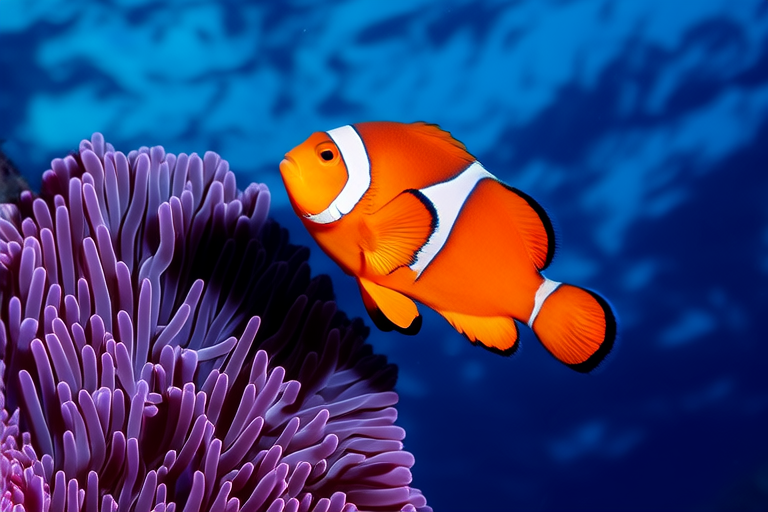
How Clownfish Became Internet Sensations and Aquarium Stars
Clownfish have captivated hearts and imaginations worldwide, transforming from obscure marine creatures into internet sensations and beloved aquarium stars. Their journey from the depths of the ocean to the forefront of popular culture is a fascinating tale that intertwines natural history, media influence, and human fascination.
The Natural Habitat and Behavior of Clownfish
Native to the tropical waters of the Indo-Pacific region, clownfish (Amphiprioninae) are known for their vibrant colors and unique symbiotic relationship with sea anemones. They primarily inhabit coral reefs, where they find shelter among the tentacles of these cnidarians. The sea anemone provides protection from predators, while the clownfish, in turn, offers food by attracting smaller fish into the anemone’s reach.
These small, colorful fish display a range of behaviors that make them particularly interesting to observe. They are territorial, fiercely defending their homes against intruders. Clownfish are also known for their complex social structures within their groups, often featuring a dominant female and male, with subordinate individuals waiting in line to replace them if needed. This hierarchy is maintained through aggressive displays and physical confrontations.
The Rise in Popularity Due to Media Like Finding Nemo
The release of Disney-Pixar’s animated film “Finding Nemo” in 2003 significantly boosted the popularity of clownfish. The movie featured Marlin, a clownfish father, embarking on an adventurous journey to find his son, Nemo. The film’s heartwarming narrative and endearing characters resonated with audiences globally, introducing millions to the world of clownfish.
Following the film’s success, searches for “clownfish” surged, leading to increased interest in these fish as pets. Aquarium stores reported higher demand, and online forums dedicated to clownfish care flourished. The movie also sparked a broader conversation about marine conservation, inspiring many viewers to learn more about reef ecosystems and the importance of protecting them.
The Appeal of Clownfish as Aquarium Pets
For many aquarists, the appeal of clownfish lies in their vibrant colors, ranging from bright orange to electric blue, and their playful personalities. They are relatively hardy compared to other marine species, making them suitable for novice saltwater aquarium hobbyists. Additionally, their compatibility with certain types of sea anemones in home aquariums adds another layer of interest for enthusiasts.
Personal anecdotes from experienced aquarists highlight the joy of watching clownfish interact within their tanks. One aquarist, Sarah, shared, “My clownfish, Bubbles, has become my favorite pet. Watching her dart around the tank and playfully swim near the anemone never gets old.”
Challenges and Considerations of Keeping Clownfish
While clownfish can be rewarding pets, there are several challenges and considerations for potential owners. Proper water conditions are crucial, requiring stable salinity levels, pH balance, and adequate filtration systems. Regular maintenance, including water changes and monitoring for signs of stress or disease, is essential.
Choosing compatible tank mates is another important factor. Clownfish are generally peaceful but may become aggressive towards other clownfish or similar species if space is limited. It’s advisable to house only one pair per tank unless ample room is available. Aquarists should also be aware of the ethical implications of sourcing clownfish from the wild versus captive-bred populations.
The Significance of Clownfish in Marine Ecosystems
Clownfish play a vital role in maintaining the health of coral reefs, serving as indicators of ecosystem stability. Their presence signals a balanced environment conducive to diverse marine life. However, threats such as climate change, pollution, and overfishing pose significant risks to clownfish populations and their habitats.
Conservation efforts aim to protect clownfish and their environments through initiatives like marine protected areas and sustainable fishing practices. Supporting these programs helps ensure the survival of clownfish and contributes to the preservation of global biodiversity.
Advice for Potential Owners
For those considering clownfish as pets, it’s crucial to conduct thorough research before setting up an aquarium. Joining local aquarium clubs or online communities can provide valuable insights and support. Always prioritize the well-being of your fish by providing optimal living conditions and regular care.
When purchasing clownfish, opt for captive-bred specimens whenever possible to reduce pressure on wild populations. Familiarize yourself with local regulations regarding exotic pets to ensure compliance with legal requirements.
Conclusion
From their natural habitats in the warm waters of the Indo-Pacific to their starring roles in animated films and living rooms across the globe, clownfish have captured the imagination of people everywhere. Understanding their biology, behavior, and importance in marine ecosystems enriches our appreciation for these remarkable creatures. By responsibly caring for clownfish as pets, we can contribute positively to their conservation and continue enjoying their delightful presence in our lives.
