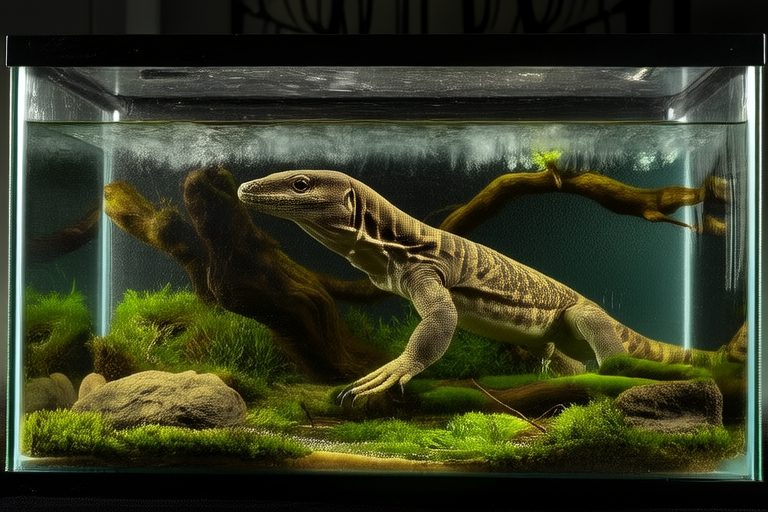
From Jungle to Home: How to Care for Your Water Monitor Pet
Introduction
Water monitors (Varanus salvator) are one of the largest lizards in the world and make fascinating pets for experienced reptile enthusiasts. Their size, intelligence, and unique behaviors can be captivating, but they also require a significant commitment in terms of space, time, and resources. This guide will walk you through the essential aspects of owning a water monitor, from understanding their natural habitat to ensuring their health and happiness in your home.
The Origins and Natural Habitat of Water Monitors
Native to Southeast Asia, water monitors can be found in various habitats including rainforests, mangroves, swamps, and grasslands. They are semi-aquatic, spending considerable time both in and out of water. Their natural environment is characterized by high humidity and temperatures, which must be replicated as closely as possible in captivity.
In the wild, water monitors are excellent climbers and swimmers, often found basking on tree branches or diving into rivers and lakes. Their diet consists mainly of fish, small mammals, birds, insects, and even carrion. Understanding their natural habitat helps in creating an appropriate living environment for your pet.
Dietary Needs
Water monitors are carnivorous and have diverse dietary preferences. In captivity, their diet should include a variety of meat items such as mice, rats, chicks, and feeder fish. Juvenile monitors can be fed smaller prey like crickets and mealworms, while adults require larger prey items to meet their nutritional needs.
Vitamin and mineral supplements are crucial for maintaining their health. Dusting food with calcium and vitamin D3 powders can help prevent metabolic bone disease, a common issue in captive reptiles. Feeding a balanced diet is key to ensuring your monitor’s growth and overall well-being.
Housing Requirements
Adequate housing is paramount for the welfare of your water monitor. Due to their size and activity level, they require spacious enclosures that allow ample room for movement and exploration. A juvenile monitor might start in a 4′ x 2′ enclosure, but adults will need much larger spaces, ideally a custom-built vivarium measuring at least 8′ x 4′. The enclosure should be tall enough to accommodate vertical climbing structures.
Maintaining proper temperature gradients within the enclosure is essential. Provide a warm basking area (around 90°F) and cooler areas (70-75°F). Heat lamps or ceramic heat emitters can be used to achieve these temperatures. Substrate options include cypress mulch, coconut fiber, or reptile carpet, all of which should be safe for ingestion and easy to clean.
Water monitors are adept swimmers, so a deep water area is necessary. Ensure the water is kept clean and the pool is large enough for swimming and soaking. Regular cleaning of the enclosure and water area is vital to prevent bacterial growth and maintain hygiene.
Handling and Safety Tips
Water monitors can be quite strong and may become stressed if handled improperly. Always approach them calmly and gently. Allow your monitor to get accustomed to your presence before attempting to handle it. Start by offering treats to build trust and gradually introduce short handling sessions.
Due to their strength and potential for biting, it’s important to handle them with caution. Use thick gloves for protection and always support their body properly to avoid injury to both you and the monitor. Never attempt to handle a monitor that appears stressed, sick, or aggressive.
Ensure children and other pets are supervised around your water monitor to prevent accidents. Proper education about the monitor’s behavior and care is essential for everyone interacting with it.
Common Health Issues
Like any pet, water monitors are susceptible to certain health problems. Metabolic bone disease, caused by a lack of calcium and vitamin D3, can lead to weak bones and deformities. Ensuring a balanced diet rich in these nutrients is crucial for prevention.
Respiratory infections can occur if the enclosure is too cold or damp. Symptoms include nasal discharge, wheezing, and lethargy. Keeping the temperature and humidity levels consistent and avoiding drafts can help prevent this.
Parasites, both internal and external, are another concern. Regular veterinary check-ups and fecal examinations can help identify and treat parasites early. Maintaining cleanliness in the enclosure also aids in preventing parasitic infestations.
Ensuring a Stimulating Environment
To keep your water monitor mentally and physically stimulated, provide a variety of enrichment activities. Offer different climbing structures, hiding spots, and toys. Rotating these items can prevent boredom and encourage exploration.
Interactive feeding methods, such as placing food in challenging locations, can also enhance mental stimulation. Providing a variety of textures and surfaces for them to interact with mimics their natural environment and promotes healthy behavior.
Regular exercise and environmental changes help maintain their physical fitness and mental well-being. Encourage swimming and climbing to promote muscle development and agility.
Responsibilities and Considerations for Potential Owners
Owning a water monitor comes with significant responsibilities. These reptiles have long lifespans, sometimes reaching over 20 years, and require ongoing care and attention. Prospective owners should consider the financial and time commitments involved, including the cost of specialized equipment, veterinary care, and regular maintenance.
Legal considerations also play a role, as some regions may have restrictions on keeping exotic animals. Research local regulations and obtain any necessary permits before acquiring a water monitor.
Finally, it’s important to understand that water monitors are wild animals at heart. While they can bond with their handlers, they may never fully adapt to life as a domesticated pet. Patience, respect, and understanding are key to building a positive relationship with your monitor.
Conclusion
Caring for a water monitor is a rewarding yet challenging endeavor. By providing a suitable habitat, proper nutrition, and attentive care, you can ensure the health and happiness of your pet. Remember that owning a water monitor is a long-term commitment, requiring dedication and preparation. With the right knowledge and resources, you can bring a piece of the jungle into your home and enjoy the unique companionship of these magnificent creatures.
