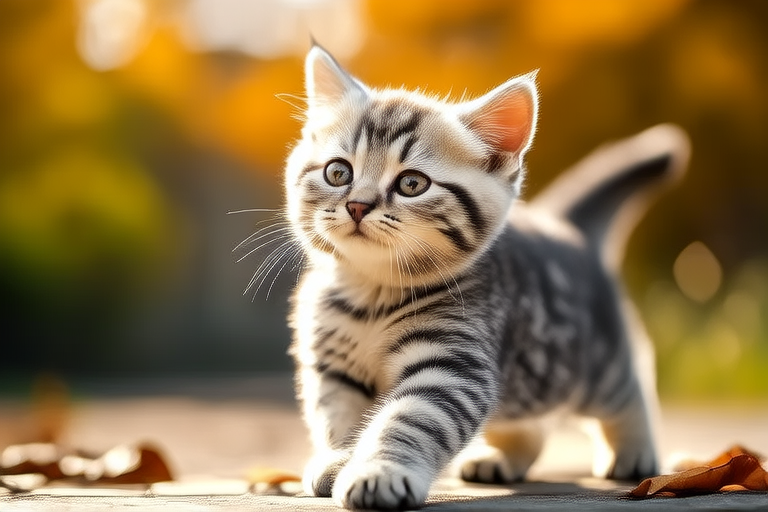
Adorable American Shorthair Kittens: A Heartwarming Journey from Kittenhood to Adulthood
The American Shorthair is one of the most beloved and popular cat breeds in the United States. Known for their sturdy build, friendly demeanor, and striking appearance, these cats have captured the hearts of many pet lovers. Their history traces back to the early settlers of America, where they were valued for their hunting prowess and companionship. Today, the American Shorthair continues to be cherished for its adaptability, intelligence, and affectionate nature. In this article, we will explore the journey of American Shorthair kittens from their early days to adulthood, providing valuable insights and tips for those considering adopting one of these delightful felines.
Physical Attributes and Temperament of American Shorthair Kittens
American Shorthair kittens are often described as charming bundles of energy. They typically weigh between 3 to 4 pounds at birth and grow rapidly over the next few months. These kittens possess a robust physique, with well-defined muscles that give them a strong yet graceful appearance. Their coats come in a variety of colors and patterns, including silver tabby, solid white, and calico, adding to their visual appeal.
One of the most endearing qualities of American Shorthair kittens is their playful and curious nature. They are known to be highly interactive, often engaging in games with their owners and other pets. This breed is also noted for its friendly and gentle disposition, making it an ideal choice for families with children. Their sociable temperament ensures that they enjoy human company and can easily adapt to different environments.
Care Requirements During Kittenhood
Providing proper care for American Shorthair kittens is essential for their healthy development. From birth until about six months of age, these kittens require special attention to ensure they thrive. One of the key milestones in their early life is weaning, which usually begins around four weeks old. At this stage, kittens start transitioning from mother’s milk to solid food. It is important to introduce them to high-quality, kitten-specific formulas that provide the necessary nutrients for their growing bodies.
Socialization plays a crucial role in shaping the behavior of American Shorthair kittens. Exposing them to various stimuli, such as different sounds, textures, and people, helps them become confident and well-adjusted adults. Positive interactions with family members, visitors, and other animals can foster trust and reduce fearfulness. Regular playtime and training sessions contribute to their mental and physical stimulation, promoting healthy growth.
Healthcare is another critical aspect of raising American Shorthair kittens. Routine veterinary check-ups are recommended to monitor their development and address any potential health issues. Common concerns include upper respiratory infections, parasites, and dental problems. Vaccinations and deworming are essential preventive measures that help protect against serious illnesses.
Growth Milestones and Common Health Issues
As American Shorthair kittens grow, they reach several significant milestones. By two months, they have developed sharp teeth and are ready for their first set of vaccinations. Around three months, they enter the teething phase, which can cause discomfort and irritability. Providing appropriate chew toys and monitoring their oral hygiene can alleviate some of these symptoms.
At five months, American Shorthair kittens begin to resemble their adult counterparts, although they continue to gain weight and develop muscle mass. By six months, they are considered juveniles and are almost fully grown. During this period, their coat becomes denser and more defined, showcasing their unique coloration and patterns.
While American Shorthair kittens are generally healthy, they may face certain health challenges. Some common issues include ear infections, eye infections, and digestive problems. Early detection and prompt treatment are vital for preventing complications. Regular grooming and cleaning of ears and eyes can help maintain good hygiene and reduce the risk of infections.
The Transition into Adulthood
The transition from kittenhood to adulthood marks a significant change in the life of an American Shorthair. As they mature, their behavior and needs evolve. Adult American Shorthairs tend to be more independent than their younger counterparts, but they still appreciate companionship and interaction. They may become less playful and more focused on lounging and relaxing, though they remain active and enjoy regular exercise.
Exercise needs vary depending on the individual cat, but most American Shorthairs benefit from daily activity to maintain their fitness and prevent obesity. Interactive toys, climbing structures, and play sessions with owners can provide ample opportunities for physical exertion. Ensuring access to safe outdoor spaces, if permitted, allows them to explore and engage in natural behaviors.
Dietary adjustments are necessary as American Shorthairs progress into adulthood. While kitten-specific formulas are rich in nutrients for growth, adult cats require a balanced diet that supports their ongoing health. High-quality commercial cat foods designed for adult cats provide the right balance of proteins, fats, carbohydrates, vitamins, and minerals. Feeding consistent portions and avoiding excessive treats can help manage their weight and promote longevity.
Maintaining a Strong Bond Throughout the Cat’s Life
Raising an American Shorthair from kitten to adult is a deeply rewarding experience. Building and maintaining a strong bond with your cat involves consistent care, affection, and engagement. Spend quality time together by playing, grooming, and cuddling. Establishing routines for feeding, play, and sleep can create a sense of security and comfort for your cat.
Anecdotes from real-life experiences highlight the joy of sharing life with an American Shorthair. One owner, Sarah, recalls how her kitten, Whiskers, transformed from a shy and timid creature into a confident and loving companion. “Whiskers was initially scared of loud noises and unfamiliar faces,” she says. “But with patience and gentle encouragement, he became more outgoing and affectionate. Now, he greets me at the door every day and loves to snuggle on the couch.”
Another owner, John, emphasizes the importance of providing mental and physical stimulation. “I noticed that my cat, Luna, would become restless and destructive when left alone for long periods,” he explains. “To keep her happy and engaged, I introduced puzzle toys and created a designated play area. She now enjoys challenging herself and has fewer behavioral issues.”
Conclusion
Raising an American Shorthair from kitten to adult is a journey filled with love, laughter, and learning. Their unique blend of charm, intelligence, and affection makes them cherished members of many households. By understanding their physical attributes, temperament, and care requirements, you can provide the best possible environment for your furry friend. Embrace each stage of their development, from playful kittenhood to serene adulthood, and cherish the rewarding experience of sharing your life with an American Shorthair.
