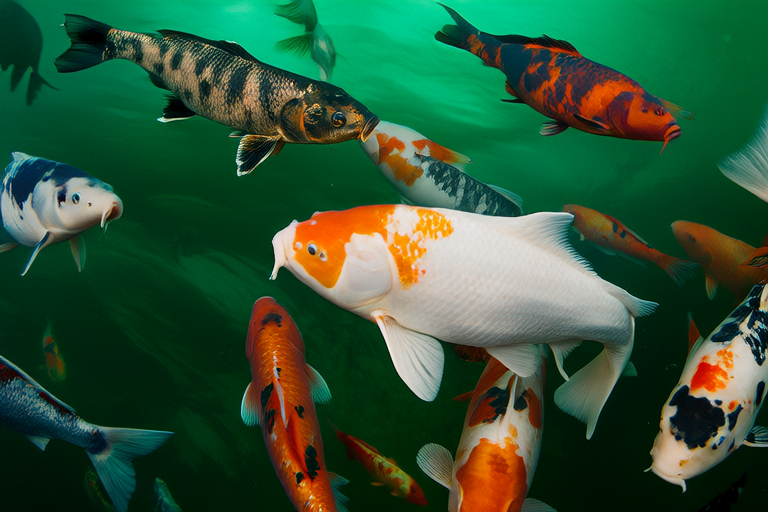
Top 10 Most Stunning Koi Varieties You Need to Know About
Koi fish, known scientifically as Cyprinus carpio, have long been cherished for their vibrant colors and graceful movements. Originating from Japan, these carp have become a symbol of beauty and tranquility in aquatic gardening. Koi ponds are not only visually stunning but also offer a serene ambiance that can transform any outdoor space. The popularity of koi fish has grown exponentially over the years, with enthusiasts around the world admiring their unique patterns and personalities. From small backyard ponds to elaborate water gardens, koi add a touch of elegance and charm. In this article, we will explore the top 10 most stunning koi varieties you need to know about.
1. Kohaku
The Kohaku is one of the oldest and most popular koi varieties. Its striking contrast between red (Hi) and white (Shiro) scales creates a mesmerizing visual effect. The red patches should be bold and well-defined, covering at least half of the body. A high-quality Kohaku has symmetrical markings and smooth scales. This variety requires a balanced diet rich in protein and vitamins to maintain its vibrant coloration. Additionally, regular water changes and filtration are essential to keep the water clean and healthy.
2. Taisho Sanshoku
Taisho Sanshoku, also known as Sanke, combines the elegance of Kohaku with the addition of black (Sumi) markings. The ideal Sanke has a predominantly white body with red and black patterns that enhance its overall beauty. The red and black markings should be well-balanced and evenly distributed across the body. Proper nutrition and water quality management are crucial for maintaining the health and appearance of Taisho Sanshoku. They thrive in well-maintained ponds with adequate filtration systems.
3. Showa Sanshoku
Showa Sanshoku is another tri-colored koi variety featuring black, red, and white. Unlike Taisho Sanshoku, Showa Sanshoku has black as the base color with red and white accents. The black background provides a striking contrast, making the red and white patterns stand out even more. To ensure optimal growth and coloration, Showa Sanshoku require a nutritious diet and regular water maintenance. They are highly sought after by koi enthusiasts due to their dramatic appearance.
4. Utsuri
Utsuri is a monochromatic koi variety characterized by its black base color with white or yellow markings. The name “Utsuri” means “reflection” in Japanese, referring to the way the white or yellow patterns reflect against the dark background. The quality of Utsuri depends on the clarity and symmetry of the contrasting colors. These koi prefer stable water conditions and benefit from a varied diet to support their growth and coloration. Utsuri are admired for their elegant simplicity and are a favorite among koi enthusiasts.
5. Shusui
Shusui is a scaled-down version of the Asagi, featuring blue scales on the back and red or orange scales on the belly. The absence of scales on the sides gives it a unique, iridescent sheen. Shusui are known for their calm demeanor and adaptability to various pond environments. They thrive in well-maintained ponds with consistent water quality. Shusui are particularly appealing to those who appreciate the subtle beauty of koi without overwhelming color patterns.
6. Bekko
Bekko refers to koi with a white, red, or yellow base color and black markings. The most common types are Hi Bekko (red base), Shiro Bekko (white base), and Ki Bekko (yellow base). Each type showcases the elegance of its respective base color with intricate black patterns. Bekko koi are relatively easy to care for, requiring a balanced diet and regular water maintenance. Their distinctive appearance makes them a popular choice for both beginners and experienced koi keepers.
7. Goshiki
Goshiki combines the traits of Kohaku and Utsuri, featuring red, white, and black scales. The name “Goshiki” means “five colors,” although the actual colors are red, white, and black. The red and white scales should be clearly defined, while the black scales add depth and contrast. Goshiki koi require a balanced diet and regular water changes to maintain their vibrant coloration. They are highly valued for their unique combination of colors and patterns.
8. Tancho
Tancho is a special variety of Kohaku with a prominent red patch on the head, resembling the national symbol of Japan, the red sun disc. The red patch should cover the entire head, creating a striking contrast with the white body. Tancho koi are highly prized for their rarity and beauty. They require careful attention to diet and water quality to maintain their health and appearance. Tancho are often considered a symbol of good fortune and are cherished by koi enthusiasts.
9. Doitsu
Doitsu refers to koi varieties with scales along the lateral line and no scales elsewhere. The most common Doitsu varieties include Doitsu Kohaku, Doitsu Showa, and Doitsu Utsuri. The lack of scales on the sides gives them a sleek, metallic appearance. Doitsu koi are relatively easy to care for and are suitable for a wide range of pond environments. Their unique look sets them apart from other koi varieties, making them a popular choice for those seeking something different.
10. Platinum Ogon
Platinum Ogon is a solid gold koi variety that reflects light beautifully. The scales should be bright and shiny, giving the koi a radiant appearance. Platinum Ogon koi are known for their resilience and adaptability, thriving in various pond conditions. They require a balanced diet and regular water maintenance to keep their scales healthy and vibrant. Platinum Ogon are highly sought after for their striking golden hue and are a favorite among koi enthusiasts.
Choosing the Right Koi Variety for Your Pond
When selecting koi varieties for your pond, consider the size and environment of your pond. Small ponds may be better suited for single-color varieties like Ogon or Utsuri, which require less space and are easier to manage. Larger ponds can accommodate more complex varieties like Sanke or Showa, allowing for a wider range of colors and patterns. Additionally, consider the climate and water conditions of your area. Some koi varieties are more adaptable to certain environments than others. By carefully choosing the right koi variety for your pond, you can create a beautiful and harmonious aquatic garden that brings joy and tranquility to your outdoor space.
