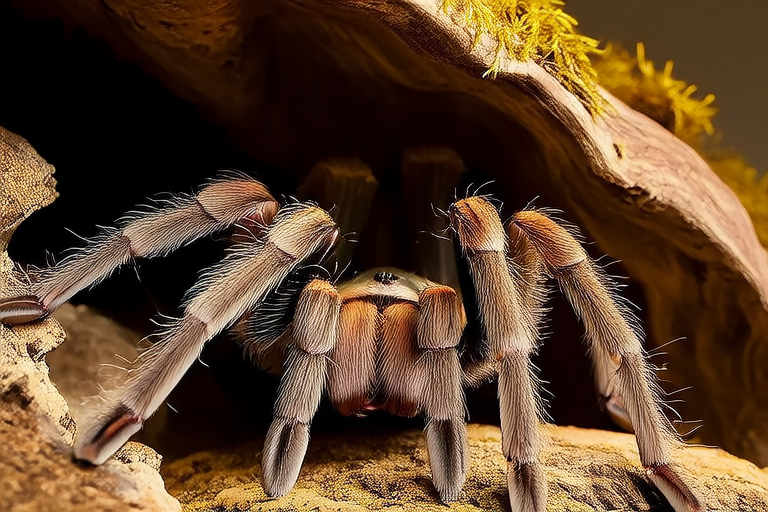
How to Care for Your Pet Tarantula Like a Pro: Tips from an Expert
Welcome to the fascinating world of tarantulas! As these arachnids grow in popularity as pets, more enthusiasts are discovering the joys and challenges of keeping these unique creatures. While tarantulas may seem intimidating at first glance, they offer a rewarding experience for those willing to learn about their specific care needs. This guide will walk you through everything you need to know to care for your pet tarantula like a pro, providing expert-level advice that ensures both you and your spider friend thrive.
Setting Up the Ideal Habitat
The first step in caring for your pet tarantula is creating the perfect habitat. A well-set-up enclosure mimics the natural environment of your tarantula, ensuring its comfort and well-being. Choose a glass or plastic tank with a secure lid, as tarantulas are adept climbers and can escape if given the chance. The size of the enclosure depends on the species; generally, a 5-gallon tank is suitable for most adult tarantulas. For larger species, a 10-gallon tank or even bigger may be necessary.
Substrate is crucial for your tarantula’s environment. Opt for coconut fiber, bark chips, or a mix of sand and soil, which provides a natural surface for burrowing and digging. Ensure the substrate is deep enough—about 3-4 inches—to allow your tarantula to create a comfortable burrow. Avoid using cedar or pine shavings, as they can be harmful to your pet.
Temperature and Humidity Needs
Maintaining the right temperature and humidity levels within the enclosure is essential for your tarantula’s health. Most tarantulas prefer temperatures between 75°F and 85°F (24°C to 29°C). Use a thermometer to monitor the temperature inside the tank and adjust it accordingly. If the temperature drops too low, a heat mat placed underneath the tank can help maintain warmth.
Humidity should range from 60% to 80%, depending on the species. A hygrometer helps measure the humidity level. To increase humidity, mist the substrate lightly or place a shallow water dish in the enclosure. Be cautious not to over-mist, as excessive moisture can lead to respiratory issues and mold growth.
Selecting Appropriate Enclosures and Substrates
Choosing the right enclosure and substrate is key to providing a safe and comfortable environment for your tarantula. Glass or acrylic tanks are preferred due to their durability and visibility, allowing you to observe your pet without disturbing it. Plastic containers can also work but may not provide adequate ventilation.
For substrate, opt for materials that mimic the tarantula’s natural habitat. Coconut fiber is highly recommended as it holds moisture well and provides a natural look. Bark chips and sphagnum moss are other good options. Avoid using gravel or small stones, as they can cause injury if ingested by your tarantula.
Feeding Habits: Suitable Prey and Dietary Considerations
Feeding your tarantula appropriately is vital for its health and longevity. In the wild, tarantulas feed on insects such as crickets, mealworms, and roaches. In captivity, you can offer similar prey items, ensuring they are gut-loaded with nutritious food before being fed to your tarantula. Gut-loading involves feeding insects a diet rich in vitamins and minerals for a few days before offering them to your pet.
The frequency of feeding depends on the age and size of your tarantula. Juvenile tarantulas may eat every few days, while adults require less frequent meals, usually once a week. Overfeeding can lead to obesity and health problems, so it’s important to gauge the amount based on your tarantula’s appetite and activity level.
Handling and Interaction Guidelines
While tarantulas can make wonderful pets, it’s important to handle them with care. Tarantulas have urticating hairs that they can release as a defense mechanism, which can irritate human skin and eyes. Always wash your hands before and after handling your tarantula to prevent transferring oils or chemicals that could stress your pet.
When handling, gently scoop your tarantula into your hand and support its body. Avoid pinching or squeezing, as this can cause injury. Tarantulas are generally docile, but they may become defensive if they feel threatened. Give your tarantula time to acclimate to your presence before attempting to handle it.
Maintaining Health Through Regular Checks and Recognizing Signs of Illness
Regular health checks are essential for identifying any potential issues early. Look for changes in behavior, appetite, or physical appearance. A healthy tarantula will be active, eating regularly, and shedding its exoskeleton periodically. Any sudden loss of appetite, lethargy, or unusual movements may indicate a problem.
Common signs of illness include bloating, discoloration, or mites. If you notice any of these symptoms, consult a veterinarian who specializes in exotic animals for proper diagnosis and treatment. Preventative measures, such as maintaining clean living conditions and providing a balanced diet, can help keep your tarantula healthy.
Sourcing a Healthy Tarantula and Resources for Further Learning
When acquiring a tarantula, choose a reputable breeder or pet store that prioritizes the health and well-being of their animals. Ask to see the tarantula in action and inquire about its feeding and handling history. A healthy tarantula will be alert, active, and free from visible injuries or parasites.
To deepen your knowledge and stay updated on the latest care techniques, consider joining local or online communities dedicated to tarantula enthusiasts. These groups often share valuable information and resources, helping you become a more informed and responsible tarantula owner.
Caring for a pet tarantula requires dedication and attention to detail, but the rewards are immeasurable. By following these expert tips, you’ll ensure that your tarantula thrives in a safe and nurturing environment. Enjoy the journey of bonding with one of nature’s most fascinating creatures!
