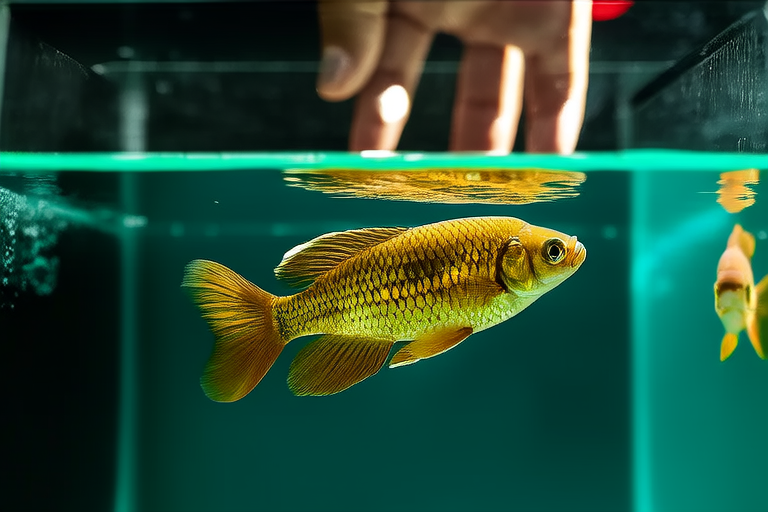
Arowana Owners Reveal Their Top Secrets for Happy Pets
Welcome to the fascinating world of arowanas! These magnificent creatures are known for their beauty and intelligence, making them a favorite among aquarium enthusiasts. Whether you’re a novice or an experienced aquarist, owning an arowana can be a rewarding experience. In this article, we will explore the top secrets from seasoned arowana owners to ensure your pet thrives in its aquatic environment.
Optimal Tank Setup
The first step in creating a happy home for your arowana is setting up an optimal tank. Arowanas are large fish that require ample space to swim freely. The recommended tank size for an adult arowana is at least 300 gallons, but larger tanks are always better. Ensure the tank is long enough for your fish to swim back and forth without feeling cramped.
Water conditions are crucial for arowanas. They prefer slightly acidic to neutral water with a pH between 6.5 and 7.5. Maintain a temperature range of 78°F to 84°F (25°C to 29°C). Arowanas are sensitive to changes in water parameters, so it’s essential to monitor these regularly.
To prevent stress and disease, provide plenty of hiding spots and plants. Arowanas appreciate the security of having places to retreat when they feel threatened. Floating plants like Amazon swords and Java ferns are excellent choices. Additionally, incorporate driftwood and rocks to create natural hiding spots and enhance the aesthetic appeal of the tank.
Water Quality Maintenance
Consistent water quality is vital for the health and longevity of your arowana. Invest in a reliable filtration system capable of handling the volume of water in your tank. Arowanas produce a significant amount of waste, so mechanical, biological, and chemical filtration are all necessary. Regular water changes are also essential; aim for a 20% weekly change to maintain water clarity and cleanliness.
Testing kits are invaluable tools for monitoring water parameters such as ammonia, nitrite, and nitrate levels. Keep these within safe ranges to prevent harmful toxins from building up. Use dechlorinators when performing water changes to neutralize any chlorine or chloramines present in tap water.
Consider adding a protein skimmer if you have a saltwater tank. Protein skimmers help remove organic compounds before they break down into harmful substances. This equipment is particularly useful for maintaining pristine water quality in larger tanks.
Diet Specifics
Arowanas are carnivorous fish that require a balanced diet rich in proteins. Feed them a variety of high-quality foods, including frozen or live feeder fish, shrimp, and worms. Some owners supplement their arowana’s diet with commercial pellets designed for large predatory fish. Avoid overfeeding, as excess food can pollute the tank and lead to health issues.
Frequency of feeding depends on the age and size of your arowana. Younger fish may need to be fed twice daily, while adults can manage with one meal per day. Monitor your fish’s appetite and adjust feeding schedules accordingly. Overfeeding can cause obesity and digestive problems, so it’s important to strike the right balance.
Some owners report success with incorporating vitamin supplements into their arowana’s diet. Consult with a veterinarian specializing in exotic pets to determine whether supplementation is necessary for your particular fish. Remember that arowanas are sensitive to sudden changes in diet, so introduce new foods gradually to avoid upsetting their digestive systems.
Behavioral Enrichment
Arowanas are intelligent animals that benefit greatly from mental stimulation. Provide opportunities for exploration and play by offering interactive toys or puzzles specifically designed for fish. Some owners use floating platforms or caves to encourage natural behaviors like hunting and hiding.
Regular interaction with your arowana can also contribute to its overall well-being. Spend time observing your fish, and try conditioning it to recognize you as its caretaker. Many owners report that their arowanas become more responsive and engaged when they establish routines and positive reinforcement techniques.
Common Pitfalls to Avoid
One of the most common mistakes made by new arowana owners is underestimating the space requirements for these large fish. Always opt for the largest tank possible within your budget and living space constraints. Smaller tanks can lead to cramped conditions and increased aggression.
Another pitfall is neglecting regular maintenance tasks. Failing to perform routine water changes or clean filters can result in poor water quality, which can harm your fish. Establish a consistent schedule for tank maintenance and stick to it.
Overfeeding is another issue that many aquarists face. Excess food can degrade water quality and cause health problems for your arowana. Pay close attention to portion sizes and adjust as needed based on your fish’s appetite and activity level.
Success Stories
John, a seasoned aquarist from Florida, shares his experience with keeping a healthy and thriving arowana. He emphasizes the importance of creating a stable environment by maintaining consistent water parameters. John credits his success to diligent monitoring and prompt action whenever he notices even slight deviations from ideal conditions.
Jane, another experienced owner from California, highlights the significance of providing mental stimulation through interactive toys and regular interaction. Her arowana has become more active and responsive since she introduced enrichment activities into her routine. Jane encourages other owners to invest time in learning about their fish’s natural behaviors and preferences.
Both John and Jane stress the value of community support. Joining local clubs or online forums allows new owners to connect with experienced aquarists who can offer valuable advice and guidance. Sharing experiences and best practices fosters a supportive network that benefits everyone involved.
Conclusion
Owning an arowana can be an enriching and rewarding experience when done correctly. By following the tips shared by experienced owners and avoiding common pitfalls, you can create a thriving environment for your pet. Remember that each fish is unique, so take the time to understand your arowana’s specific needs and preferences. With patience, dedication, and proper care, you’ll enjoy many years of companionship with your magnificent aquatic friend.
