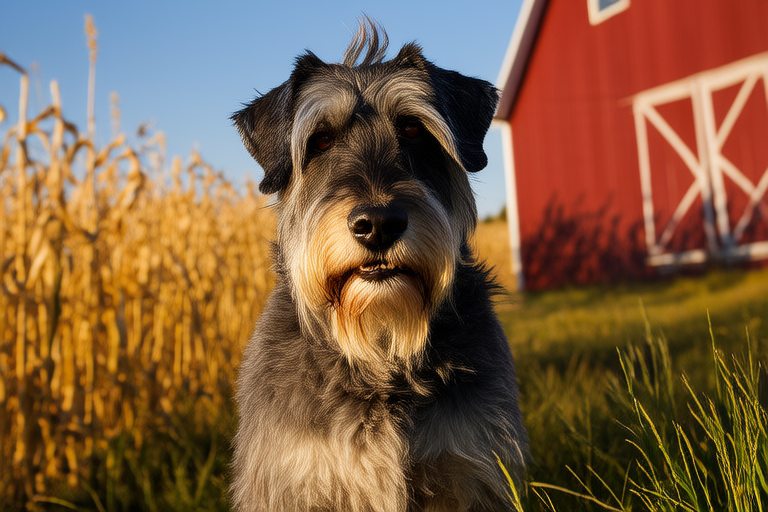
From Farmyard to Fad: The Remarkable Journey of Schnauzers
The schnauzer, a breed known for its distinctive beard and eyebrows, has a rich history that spans centuries. Originating in the farmyards of Germany, these versatile dogs were originally bred for utilitarian purposes, playing crucial roles in the daily life of farmers. Their initial roles and characteristics reflect the practical needs of rural communities, where they served as reliable helpers and protectors. Over time, the schnauzer’s image evolved, transitioning from a working dog to a beloved family pet, thanks to changes in breeding practices and significant cultural moments that elevated their status.
The Farmyard Origins of Schnauzers
The schnauzer’s story begins in the late Middle Ages in Germany, where it was initially developed as a utility dog. Farmers needed a robust, intelligent breed that could manage a variety of tasks. The schnauzer filled this niche admirably, excelling at herding livestock, guarding property, and exterminating vermin. Their wiry coats provided natural protection against harsh weather conditions and thorny underbrush, making them well-suited for outdoor work. Additionally, their keen sense of smell and alert nature made them effective watchdogs, always on the lookout for potential threats.
The early schnauzers were medium-sized dogs, standing around 18 inches tall at the shoulder. They had a compact build and a dense, coarse coat that required minimal grooming. Their intelligence and loyalty made them invaluable companions to farmers, who often treated them as part of the family. Despite their importance to farm life, schnauzers remained relatively unknown outside of rural areas until the late 19th century when dog shows began to gain popularity in Europe.
Transitioning from Working Dogs to Pets
The transition from working dog to pet began in earnest during the late 19th and early 20th centuries, coinciding with the rise of organized dog shows and the growing interest in purebred animals. As urbanization increased and more people moved to cities, there was a shift in demand for dogs. City dwellers sought breeds that could thrive in more confined spaces and fulfill roles beyond traditional working duties. The schnauzer’s adaptable nature and charming personality made it a perfect candidate for this new role.
Breeding practices also played a crucial role in this transformation. Breeders focused on enhancing certain traits, such as the distinctive facial hair and the overall appearance of the schnauzer, to make them more appealing to potential owners. This led to the development of three distinct sizes within the schnauzer breed: the standard schnauzer, the miniature schnauzer, and the giant schnauzer. Each size was tailored to different environments and roles, but all shared the same core characteristics that made the breed so popular.
Cultural Moments and Figures That Elevated Schnauzers
Several significant cultural moments and influential figures contributed to the schnauzer’s rise in popularity. One pivotal event was the World Wars, during which the breed gained recognition for its bravery and loyalty. Many schnauzers served as messenger dogs, their keen senses and agility making them ideal for navigating dangerous terrain. Their heroic actions on the battlefield earned them admiration and respect, further enhancing their reputation.
In addition to military service, schnauzers became popular in the entertainment industry. Hollywood films and television shows featured schnauzers, portraying them as lovable and intelligent companions. Celebrities and public figures adopted schnauzers as pets, drawing attention to the breed and inspiring others to follow suit. For instance, President Franklin D. Roosevelt owned a standard schnauzer named Fala, who became a national sensation and symbol of resilience during challenging times.
The breed’s increasing visibility in media and politics helped solidify its status as a fashionable choice among the elite. By the mid-20th century, schnauzers had become a symbol of prestige and sophistication, often seen accompanying high-profile individuals at social events. This association with glamour and success contributed significantly to the breed’s growing popularity.
Current Trends and Future Outlook
Today, schnauzers continue to be one of the most popular dog breeds worldwide, cherished for their intelligence, loyalty, and unique appearance. Breeders have maintained the qualities that made schnauzers valuable in their original roles while adapting them to modern living conditions. Their adaptability, coupled with their affectionate nature, makes them excellent companions for families, singles, and seniors alike.
Recent trends in pet ownership suggest that schnauzers will remain highly sought after. There is a growing preference for smaller, more manageable breeds that can thrive in apartments and urban environments. Miniature schnauzers, in particular, have benefited from this trend, as they offer the charm and intelligence of the larger schnauzers without the need for extensive exercise space.
Moreover, the schnauzer’s enduring appeal lies in its versatility. Whether serving as a therapy dog, participating in agility competitions, or simply providing companionship, schnauzers excel in various roles. Their ability to adapt to changing circumstances ensures their continued relevance in the pet world. As society evolves, the schnauzer’s place as a beloved companion is likely to endure, ensuring its legacy as a breed that has truly come a long way from its humble beginnings in the farmyard.
