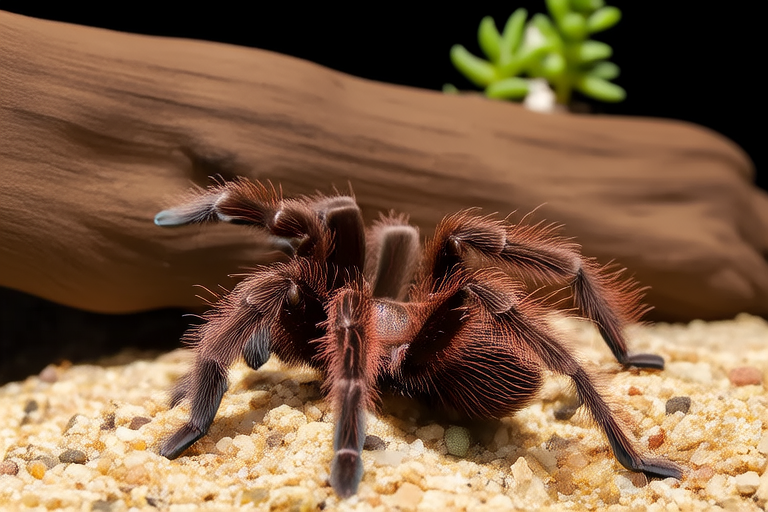
Top Secrets for Successfully Keeping Your Chilean Rose Tarantula Happy and Healthy
Welcome to the world of Chilean Rose Tarantulas! These fascinating creatures, known for their vibrant pink hue when they’re young and brownish as adults, are among the most popular pet tarantulas due to their relatively docile nature and manageable size. However, keeping your Chilean Rose Tarantula (Grammostola rosea) happy and healthy requires more than just a cage and some food. In this guide, we’ll explore the top secrets to ensure your pet thrives in its new home.
Habitat Setup: Mimicking Their Natural Environment
The first step in keeping your Chilean Rose Tarantula happy is to set up a suitable habitat that closely resembles its natural environment. These spiders are native to the arid regions of Chile, so it’s important to recreate conditions that are warm, dry, and spacious enough for them to feel secure.
- Terrarium Size: A general rule of thumb is to provide at least five gallons of space per inch of the spider’s leg span. For a full-grown Chilean Rose, a 10-gallon tank should suffice.
- Substrate: Use a substrate that can hold moisture but also allow for burrowing. Coconut fiber or a mix of potting soil and sand works well.
- Hiding Spots: Tarantulas need hiding spots to feel safe and secure. Provide cork bark, half logs, or clay flower pots.
- Decorations: Add rocks, branches, and other decorations to make the enclosure more interesting and stimulating.
Temperature and Humidity Control: Maintaining Optimal Conditions
Chilean Rose Tarantulas thrive in specific temperature and humidity ranges. Ensuring these conditions is crucial for their overall health.
- Temperature: Maintain a temperature range between 75°F and 85°F (24°C to 29°C). Use a thermometer to monitor the temperature inside the terrarium.
- Humidity: Aim for a humidity level of around 60%. This can be achieved by misting the substrate occasionally and ensuring there’s always a water dish available.
- Heating Devices: If necessary, use under-tank heating pads or ceramic heat emitters to maintain the desired temperature. Avoid placing heat sources directly above the enclosure to prevent hotspots.
Diet Specifics: What to Feed Your Tarantula
A balanced diet is key to your tarantula’s health. Chilean Rose Tarantulas are opportunistic feeders and will eat a variety of prey items.
- Insects: Feed your tarantula crickets, mealworms, and dubia roaches. Ensure the insects are gut-loaded with nutritious food before offering them to your spider.
- Frequency: Young tarantulas should be fed weekly, while adults can be fed every two weeks. Overfeeding can lead to obesity and health problems.
- Variety: Introduce different types of insects to provide a balanced diet. Dust the insects with calcium powder and multivitamins to ensure proper nutrition.
Handling Precautions: How to Safely Interact with Your Tarantula
While Chilean Rose Tarantulas are generally docile, they can still become stressed or defensive if handled improperly. Follow these guidelines to ensure safe interactions:
- Minimize Handling: Tarantulas are not pets that enjoy being held. Limit handling to necessary tasks like moving them to a different enclosure.
- Use Tongs: When you need to handle your tarantula, use long-handled tongs or a soft brush to gently move it.
- Observe Behavior: Always watch your tarantula’s behavior. If it rears back or shakes its legs, it may be feeling threatened.
Signs of a Healthy Tarantula
Knowing what constitutes good health in your tarantula is essential for early detection of any issues. Here are some signs of a healthy Chilean Rose Tarantula:
- Active Movement: Healthy tarantulas are active and move around their enclosure.
- Appetite: They should have a consistent appetite and show interest in food.
- Healthy Skin: Their exoskeleton should be smooth and shiny without any discoloration or lesions.
Common Health Issues and Prevention Tips
Like all living creatures, tarantulas can face health issues. Early intervention is crucial for recovery.
- Mites: These tiny parasites can infest your tarantula and its enclosure. Regular cleaning and quarantine of new insects can help prevent mite outbreaks.
- Respiratory Problems: Improper humidity levels can cause respiratory distress. Ensure the humidity stays within the recommended range.
- Regurgitation: If your tarantula regurgitates its food, it might be overfed or stressed. Adjust feeding frequency and ensure a stress-free environment.
Care Routine: Daily and Weekly Maintenance
Regular maintenance ensures your tarantula remains healthy and comfortable.
- Daily Check: Look for signs of illness or discomfort. Monitor the temperature and humidity levels.
- Weekly Cleaning: Clean the water dish and remove any uneaten food. Replace substrate as needed.
- Burrow Maintenance: Ensure the burrow remains intact and clean. This is especially important after handling or feeding.
Conclusion: A Rewarding Journey
Keeping a Chilean Rose Tarantula as a pet is a rewarding experience that brings joy and fascination. By following these top secrets, you’ll create a thriving environment for your pet, ensuring it remains healthy and happy. Remember, each tarantula is unique, so pay close attention to your pet’s behavior and needs. With proper care, you’ll enjoy many years of companionship with your fascinating arachnid friend.
