How to Care for an Arowana: Tips from Aquatic Experts
Introduction to the Arowana Species
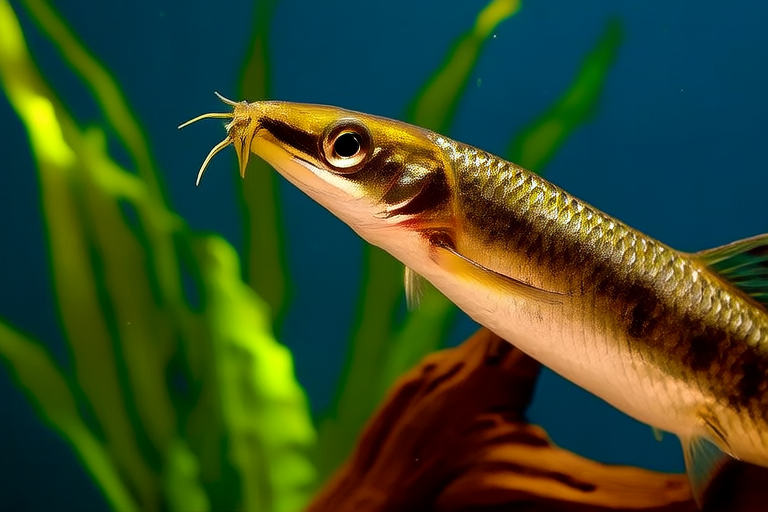
The Arowana (Osteoglossum bicirrhosum), also known as the “water monkey” due to its agile movements, is a species of bonytongue fish native to South America. These fish are renowned for their striking appearance, with elongated bodies, large scales, and barbels extending from their lower jaw. Native to slow-moving rivers, blackwater streams, and flooded forests in the Amazon Basin, Arowanas are highly adapted to their environment, thriving in warm, soft, and slightly acidic waters.
Detailed Setup Instructions for an Appropriate Aquarium Environment
Arowanas require a spacious tank to accommodate their size and swimming habits. An adult Arowana can grow up to 3 feet long, necessitating a minimum tank size of 180 gallons. The tank should be rectangular or long to allow ample space for swimming. Water conditions are crucial; maintain a temperature between 78°F and 84°F, pH level between 6.0 and 7.0, and a general hardness (GH) of 5-12 dGH. Regular water changes and effective filtration are essential. Use a high-quality external filter that provides both mechanical and biological filtration, ensuring water clarity and maintaining beneficial bacteria populations.
Feeding Guidelines
Arowanas are carnivorous and require a diet rich in protein. Their natural diet consists of insects, small fish, crustaceans, and amphibians. In captivity, they thrive on a varied diet that includes live or frozen foods such as bloodworms, earthworms, and feeder fish. Pellets designed for carnivorous fish can also be included for additional nutrients. Feed them twice daily, providing only what they can consume within five minutes to prevent overfeeding and water pollution.
Maintaining Water Quality
Regular water testing is vital for Arowana care. Test for pH, ammonia, nitrite, and nitrate levels weekly. Ammonia and nitrite should remain at zero, while nitrates should be kept below 20 ppm. Perform partial water changes of 10-20% every week to maintain water quality. Additionally, clean filters regularly to ensure optimal performance.
Insights into Behavioral Patterns and Psychological Well-being
Arowanas are intelligent and active fish that benefit from environmental enrichment. They are territorial and can become aggressive towards other fish, especially those of similar size or shape. Provide hiding spots and ample swimming space to reduce stress. Regular interaction and observation can help build trust and stimulate their curiosity. Avoid sudden loud noises or rapid movements near the tank to minimize stress.
Advice on Common Health Issues and Preventive Measures
Common health issues include fin rot, fungal infections, and parasitic infestations. To prevent these, maintain pristine water quality and quarantine new fish before introducing them to the main tank. Treat any signs of illness promptly with appropriate medications under expert guidance. Regularly inspect the fish for unusual behavior or physical changes, and consult a veterinarian if necessary.
Expert Tips for Creating an Enriching Habitat
Decorate the tank with driftwood, caves, and plants to mimic their natural habitat. Ensure that decorations are sturdy and won’t damage the fish’s delicate barbels. Suitable tankmates include larger, robust species that can defend themselves against aggression. Avoid smaller or more docile fish that may become prey. Providing floating plants or surfaces encourages natural behaviors like jumping and surface feeding.
Conclusion
Owning an Arowana is a significant commitment that requires dedication and knowledge. By setting up an appropriate aquarium environment, following proper feeding guidelines, maintaining water quality, understanding behavioral patterns, addressing health issues, and enriching the habitat, you can ensure your Arowana thrives. Remember, the well-being of your fish depends on your commitment to providing a safe and stimulating home. As an owner, it’s essential to stay informed and adapt your care practices as needed to meet the changing requirements of your aquatic companion.
