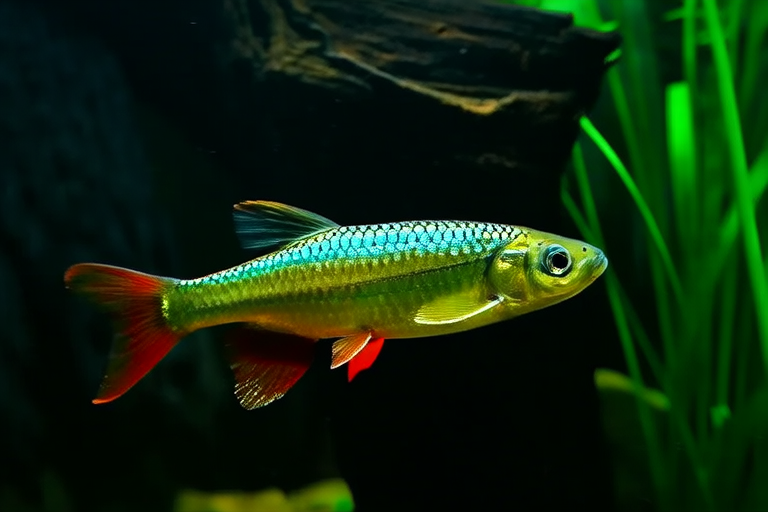
Arowana Enthusiast’s Guide: Unleashing the Mystery Behind These Aquatic Giants
Introduction:
Welcome to the world of arowanas, a group of freshwater fish that have captured the hearts and imaginations of aquarists worldwide. Known for their striking appearance, impressive size, and unique behaviors, these aquatic giants are more than just beautiful fish; they are a testament to nature’s ingenuity. In this comprehensive guide, we will explore the mysteries behind arowanas, providing you with all the information you need to care for these magnificent creatures.
Unique Characteristics of Arowanas
Arowanas are renowned for their large size, reaching lengths of up to three feet in captivity. Their elongated bodies, covered in shimmering scales, make them stand out in any aquarium. The most distinctive feature of arowanas is their ability to leap out of the water to catch insects and small birds, making them a true marvel to watch. Native to the rivers and swamps of Southeast Asia, South America, and Africa, these fish thrive in warm, tropical waters.
Different Species of Arowanas
There are several species of arowanas, each with its own unique characteristics. The Asian arowana (Scleropages formosus) is perhaps the most well-known, with its vibrant red, green, or gold scales. The African arowana (Heterotis niloticus) is less commonly kept in home aquariums but is equally fascinating. The silver arowana (Osteoglossum bicirrhosum), native to the Amazon River basin, is known for its sleek, silvery appearance. Each species has distinct behaviors and requirements, so it’s important to research thoroughly before selecting one for your tank.
Setting Up the Perfect Aquarium Environment
To ensure the health and happiness of your arowana, it’s crucial to set up an appropriate aquarium environment. Arowanas require a spacious tank, ideally at least 200 gallons for a single adult. The tank should be long and wide rather than tall, as arowanas prefer swimming horizontally. Water conditions should mimic their natural habitat, with a temperature range of 78-84°F and a pH level between 6.5 and 7.5. Regular water changes and filtration are essential to maintaining water quality.
When choosing tank mates, it’s important to select species that can coexist peacefully with the arowana. Due to their predatory nature, smaller fish may become prey, so it’s best to choose larger, robust species that can hold their own. Some suitable tank mates include catfish, pacu, and large cichlids.
Dietary Needs and Health Maintenance
Arowanas are carnivorous and require a varied diet to stay healthy. They primarily feed on live foods such as feeder fish, shrimp, and insects. However, they can also be trained to accept frozen or freeze-dried foods. It’s important to provide a balanced diet rich in protein and vitamins to support their growth and overall health. Regular feeding times and portion control help prevent overfeeding, which can lead to obesity and other health issues.
Proper nutrition is key to maintaining the health of your arowana. Supplementing their diet with vitamins and minerals can enhance their immune system and improve their coloration. Additionally, regular monitoring of water parameters and maintaining a clean tank environment are essential for preventing diseases.
Behavior of Arowanas
Arowanas are known for their curious and sometimes aggressive behavior. They are active swimmers and enjoy exploring their surroundings. Despite their predatory nature, they can be gentle and peaceful when properly acclimated. Understanding their behavior is crucial for creating a harmonious aquarium environment. Providing ample hiding spots and ensuring a stable social structure can help reduce stress and promote positive interactions.
Breeding Practices
Breeding arowanas can be a challenging but rewarding endeavor. Most species of arowanas are mouthbrooders, meaning the male carries the eggs in his mouth until they hatch. Breeding requires specific environmental conditions, including optimal water parameters and a suitable breeding pair. Patience and careful attention to detail are essential for successful breeding. It’s important to note that breeding arowanas is often restricted due to conservation concerns, especially for certain endangered species.
Common Challenges Faced by Owners
While arowanas can be rewarding pets, they also come with their share of challenges. One of the most significant challenges is providing a suitable tank size. Many novice aquarists underestimate the space required for these fish, leading to cramped living conditions. Another challenge is ensuring proper nutrition and avoiding overfeeding. Finally, maintaining water quality and preventing disease can be difficult without the right knowledge and equipment.
Cultural Significance and Conservation Status
Arowanas hold significant cultural importance in many parts of the world. In Chinese culture, the arowana is considered a symbol of good luck and prosperity, and owning one is believed to bring wealth and success. Additionally, arowanas play a vital role in the ecosystems of their native habitats, serving as top predators and helping to maintain the balance of aquatic life.
Unfortunately, several species of arowanas are threatened with extinction due to habitat loss and overfishing. Conservation efforts are underway to protect these magnificent creatures, including captive breeding programs and habitat restoration initiatives. As aquarists, it’s our responsibility to contribute to these efforts by supporting sustainable practices and raising awareness about the importance of preserving these aquatic giants.
In conclusion, arowanas are truly remarkable fish that offer a unique and rewarding experience for aquarists. By understanding their unique characteristics, setting up an appropriate aquarium environment, and providing proper care, you can ensure the health and happiness of these aquatic giants. Whether you’re a beginner or an experienced aquarist, there’s always something new to learn about these fascinating creatures. With dedication and passion, you can unlock the mysteries behind these aquatic giants and enjoy the beauty and wonder of arowanas in your own home.
