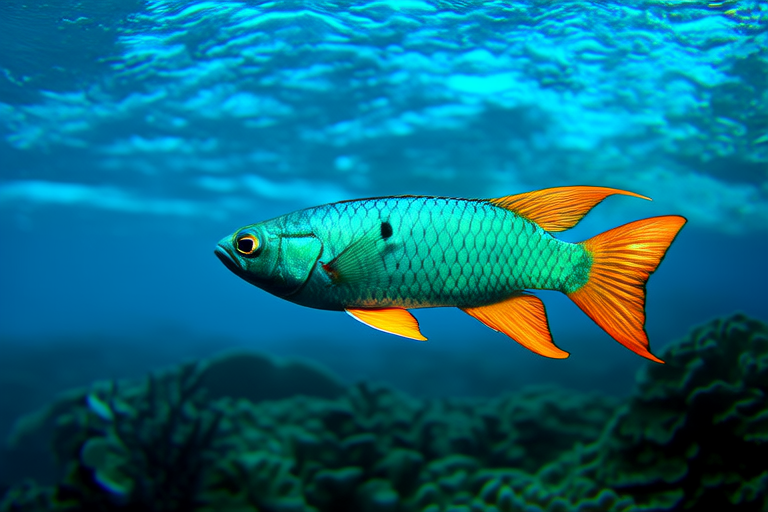
From Ocean Depths to Aquariums: A Journey With Parrot Fish
The ocean is a vast and mysterious realm, teeming with life in every corner. Among its many inhabitants, parrot fish stand out as particularly vibrant and fascinating creatures. Found primarily in the warm waters of coral reefs around the world, these fish are known for their striking appearance and unique behaviors that have captivated marine enthusiasts for centuries. This article delves into the world of parrot fish, exploring their role in reef ecosystems, the challenges they face in the wild, and the intricacies of keeping them in home aquariums.
The Vibrant World of Parrot Fish
Parrot fish are renowned for their colorful and varied appearances, which can range from bright yellows and blues to deep purples and greens. Their bodies are often adorned with intricate patterns, making each species easily identifiable. One of the most distinctive features of parrot fish is their beak-like mouth, used for scraping algae off coral and rocks. This characteristic not only contributes to their name but also plays a crucial role in their survival and the health of their environment.
These fish exhibit a variety of behaviors that make them intriguing subjects for observation. They are typically diurnal, meaning they are active during the day and rest at night. Parrot fish are also known for their elaborate courtship rituals, where males will create circular nests in the sand to attract females. Once mating occurs, the female lays her eggs within this nest, and the male guards them until they hatch.
Parrot fish are integral to the health of coral reefs. By feeding on algae, they prevent it from overgrowing corals and smothering them. This activity helps maintain the balance of the reef ecosystem, ensuring that corals can thrive and provide habitat for other marine organisms. Additionally, when parrot fish digest the coral and algae, they excrete fine particles of sand, contributing to the formation of beaches in some tropical areas.
Challenges in the Wild
Despite their vital role in reef ecosystems, parrot fish face numerous challenges due to environmental changes and human activities. Climate change has led to increased water temperatures and more frequent and severe weather events, which can damage coral reefs and reduce the available food sources for parrot fish. Pollution, particularly plastic waste and chemical runoff, also poses a significant threat to their habitats and health.
Fishing practices, such as overfishing and the use of destructive methods like dynamite fishing, have further depleted parrot fish populations. These practices not only reduce the number of adult fish but also disrupt the reproductive cycles, making it difficult for populations to recover. The trade in live fish for aquariums has also contributed to the decline, as many parrot fish species are highly sought after for their beauty.
Keeping Parrot Fish in Aquariums
For those interested in bringing a piece of the ocean into their homes, keeping parrot fish in aquariums can be a rewarding experience. However, it requires careful planning and attention to detail to ensure the fish’s well-being. The first step in setting up an aquarium for parrot fish is to create an environment that mimics their natural habitat as closely as possible. This includes providing ample hiding spots, such as caves and rock formations, and ensuring there is enough space for the fish to swim freely.
Water quality is critical for the health of parrot fish. They require a stable pH level, typically between 8.1 and 8.4, and a temperature range of 76 to 82 degrees Fahrenheit. Regular water changes and the use of filtration systems are essential to maintain these conditions. Additionally, the presence of beneficial bacteria in the aquarium can help break down harmful substances, such as ammonia and nitrite, produced by the fish.
Diet is another important consideration when keeping parrot fish. In the wild, they primarily feed on algae, but in captivity, they need a balanced diet that includes both plant-based and protein-rich foods. Pellets specifically formulated for herbivorous fish are a good starting point, but it’s also beneficial to supplement their diet with fresh vegetables like spinach and kale. Offering occasional treats of frozen or live brine shrimp can provide additional nutrients and variety.
Selecting appropriate tank mates is crucial for the well-being of parrot fish. While they are generally peaceful, they can become territorial, especially during feeding times. It’s advisable to choose compatible species that share similar water requirements and temperaments. Some good options include other herbivorous fish like tangs and surgeonfish, as well as non-aggressive invertebrates like sea stars and crabs.
The Future of Parrot Fish
The journey of parrot fish from the ocean depths to aquariums highlights the delicate balance between human enjoyment and the preservation of marine biodiversity. As we continue to explore and appreciate these beautiful creatures, it is essential to recognize the importance of conservation efforts and responsible aquarium practices.
Conservation initiatives aimed at protecting coral reefs and reducing pollution are vital for the survival of parrot fish and countless other marine species. Supporting sustainable fishing practices and choosing sustainably sourced seafood can also make a significant difference. For aquarium owners, adopting ethical practices, such as purchasing captive-bred fish and avoiding the collection of endangered species, can help mitigate the impact of the pet trade on wild populations.
In conclusion, parrot fish are not just colorful additions to our homes; they are key players in the health and sustainability of coral reefs. By understanding and respecting their needs, we can enjoy these magnificent creatures while contributing to their long-term survival. Let us continue to learn from and protect these fascinating fish, ensuring that future generations can marvel at their beauty and wonder.
