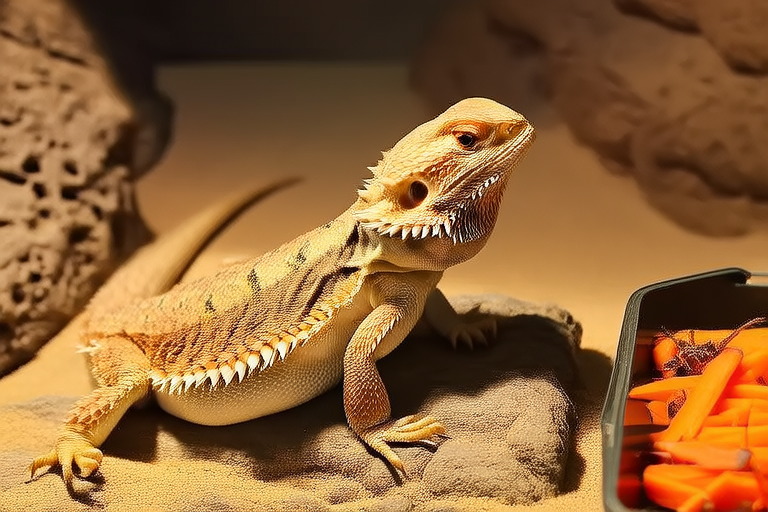
How a Bearded Dragon’s Diet Can Shape Its Lifespan: A Complete Guide
Welcome to the comprehensive guide that will help you understand how a bearded dragon’s diet can significantly influence its lifespan. Just like humans, bearded dragons require a balanced diet to maintain good health and longevity. Proper nutrition ensures they grow strong, stay active, and live longer lives. In this article, we’ll explore the essential nutrients, ideal food choices, feeding schedules, common dietary pitfalls, safe food preparation, and how to monitor your pet’s health through diet.
The Importance of Nutrition
A bearded dragon’s diet is more than just a means of survival; it’s a cornerstone of their overall health. Poor nutrition can lead to various health issues, including metabolic bone disease, obesity, and organ failure. Conversely, a well-balanced diet can enhance their immune system, improve digestion, and extend their lifespan. Understanding what constitutes a healthy diet for your bearded dragon is crucial for ensuring their long-term wellbeing.
Essential Nutrients for Bearded Dragons
Calcium
Calcium is one of the most critical nutrients for bearded dragons. It plays a vital role in maintaining healthy bones, proper muscle function, and nerve transmission. Without adequate calcium, your dragon may develop metabolic bone disease, which can result in weak bones, fractures, and even death. To ensure your bearded dragon gets enough calcium, offer them a variety of calcium-rich foods and consider using a calcium supplement, especially for younger dragons.
Protein
Protein is essential for growth, tissue repair, and overall body maintenance. Bearded dragons are insectivores by nature, which means they primarily consume insects. However, as they age, their dietary needs shift towards more plant matter. Offering a mix of protein sources such as crickets, mealworms, and dubia roaches ensures they get the necessary amino acids for muscle development and energy.
Vitamins
Vitamins are another crucial component of a bearded dragon’s diet. Vitamin D3 helps with calcium absorption, while vitamin A supports vision and immune function. Multivitamin supplements can be beneficial, but always consult with a veterinarian to avoid over-supplementation, which can cause toxicity.
Recommended Food Items
Insects
Insects are a staple in a bearded dragon’s diet, particularly for younger dragons. Crickets, dubia roaches, and mealworms are popular choices. Ensure that the insects are gut-loaded, meaning they have been fed nutritious foods before being offered to your dragon. Gut-loading enhances the nutritional value of the insects and provides your dragon with a richer source of vitamins and minerals.
Vegetables
As bearded dragons mature, they require more vegetables to balance their diet. Dark leafy greens such as collard greens, mustard greens, and dandelion greens are excellent choices. Avoid feeding iceberg lettuce or spinach, as these can cause digestive issues. Incorporating a variety of vegetables ensures your dragon receives a wide range of nutrients.
Fruits
Fruits should be offered sparingly due to their high sugar content. Occasional treats like berries, melons, and apples can be enjoyed by your dragon. Always wash fruits thoroughly and remove any seeds or pits, which can be harmful if ingested.
Feeding Schedules
Establishing a consistent feeding schedule is key to maintaining your bearded dragon’s health. Younger dragons need more frequent meals, typically three times daily, while adults can be fed once or twice daily. Adjust the quantity based on your dragon’s size and activity level to prevent overfeeding or underfeeding.
Common Dietary Mistakes and Their Impacts
Several common dietary mistakes can negatively impact your bearded dragon’s lifespan. Overfeeding insects or failing to provide a balanced diet can lead to obesity and other health problems. On the other hand, underfeeding or neglecting essential nutrients can result in malnutrition and weakened immune systems. Always strive for a balanced approach, ensuring your dragon receives the right amount of each food type.
Safely Preparing and Offering Food
Safe food preparation is crucial to prevent contamination and ensure your dragon enjoys a healthy diet. Always wash vegetables and fruits thoroughly to remove any pesticides or dirt. When handling insects, ensure they are gut-loaded and dusted with calcium powder to enhance their nutritional value. Offer food in a clean, designated area to minimize the risk of contamination from the enclosure.
Monitoring Your Dragon’s Health Through Diet
Closely observing your bearded dragon’s eating habits and overall health is vital. Look for signs of lethargy, weight loss, or changes in appetite, which could indicate underlying health issues. Regular visits to a veterinarian can also help identify potential problems early. Adjust your dragon’s diet as needed based on their age, activity level, and any specific health concerns.
In conclusion, understanding and implementing a proper diet for your bearded dragon is essential for their longevity and overall health. By providing a balanced mix of essential nutrients, appropriate food items, and a consistent feeding schedule, you can ensure your dragon leads a long, healthy life. Remember, small adjustments can make a big difference, so stay informed and proactive about your pet’s dietary needs.
