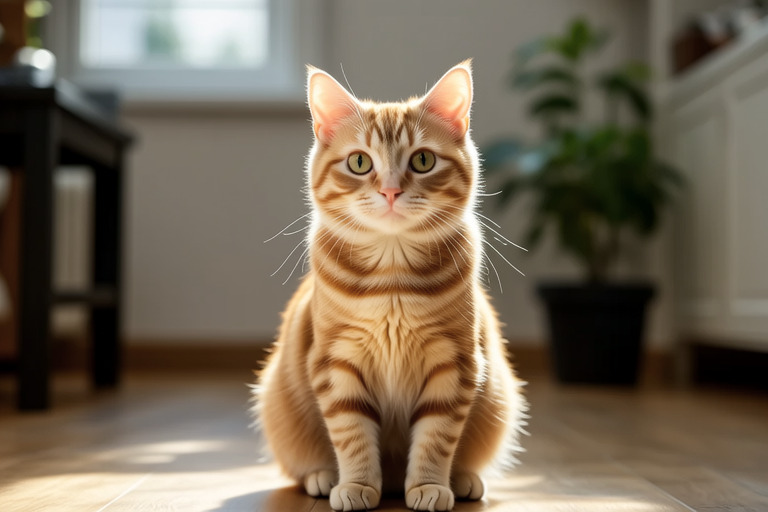
Orange Cats Rule: The Purr-fect Blend of Personality and Looks
Imagine a ray of sunshine wrapped in fur—warm, glowing, and impossible to ignore. That’s the essence of an orange cat. With coats that shimmer like autumn leaves or molten pumpkin spice, these feline stars don’t just turn heads; they steal hearts. From bustling city apartments to quiet country cottages, orange cats have earned a reputation as one of the most beloved and recognizable breeds in the feline world. But beyond their striking appearance lies something even more remarkable: a personality so vibrant, affectionate, and full of life that it’s no wonder they’re often hailed as nature’s happiest pets.
The Golden Glow: Why Orange Cats Stand Out
Orange cats are not a breed—they’re a color pattern found across many breeds, from tabbies to British Shorthairs, American Shorthairs, and even Siamese with orange points. Their coat color comes from a pigment called pheomelanin, which is responsible for red, orange, and ginger hues. What makes them truly special is how this color amplifies their presence. A single orange cat can transform a room with its radiant energy, turning ordinary moments into scenes of pure joy.
And they’re not just pretty—they’re popular. According to a 2021 survey by the Cat Fanciers’ Association, orange cats rank among the top five most frequently registered colors in show cats, a testament to their enduring appeal. Whether lounging on a windowsill bathed in golden light or chasing a feather toy with unbridled enthusiasm, orange cats command attention—not through arrogance, but through sheer charm.
Personality Powerhouse: Affectionate, Confident, and Dog-Like
Ask any owner of an orange cat, and you’ll hear the same story: “He’s like a dog in a cat’s body.” This isn’t just a cute saying—it’s backed by observations from animal behaviorists. Dr. Mikel Delgado, a certified cat behavior consultant, notes that orange cats tend to display higher levels of social engagement and attachment compared to other coat colors. “They’re often more vocal, more eager to follow their humans around, and quicker to greet visitors,” she explains.
These felines are famously friendly and affectionate. They don’t just sit beside you—they want to be part of your life. You’ll find them curling up on your lap during a movie, sitting at your feet while you work, or even nudging your hand for petting like a loyal hound. Their confidence is palpable. Unlike some shy or aloof cats, orange cats often stride into new environments with curiosity and ease, making them ideal companions for families and first-time cat owners alike.
Even their vocalizations seem designed to win over hearts. Many orange cats are talkative—chirping, trilling, and meowing with purpose. It’s not just noise; it’s communication. They’re telling you what they want, how they feel, and sometimes, just reminding you they love you.
Debunking the Myths: Are Orange Cats Aggressive?
Despite their sunny dispositions, a persistent myth lingers: that orange cats are aggressive or “mean.” This couldn’t be further from the truth. In fact, research published in the journal *Applied Animal Behaviour Science* found no significant differences in aggression levels between cats of different coat colors. While individual personalities vary widely, coat color alone doesn’t determine temperament.
So where does this misconception come from? Likely, it stems from stereotypes and anecdotal tales. Perhaps someone had a feisty orange tomcat who was fiercely protective of his territory—just like any cat might be. Or maybe the bright color made a mischievous moment more memorable. But science and countless loving owners agree: orange cats are far more likely to be gentle giants than troublemakers.
“If anything,” says Dr. Delgado, “orange cats may be more inclined toward positive interactions because they’re naturally curious and outgoing. They’re not hiding behind furniture—they’re asking to be included.”
Breed Blends: Orange Across the Spectrum
It’s important to remember that orange is a color, not a breed. An orange cat could be a sleek, muscular American Shorthair with a striped tabby pattern, a fluffy British Shorthair with a velvety coat, or even a long-haired Maine Coon with a rich ginger hue. Each breed brings its own unique traits—energy level, grooming needs, and health considerations—but the orange coat remains a shared thread of beauty and warmth.
Tabby patterns are especially common in orange cats, creating mesmerizing swirls and stripes that look like brushstrokes of sunlight. These patterns add depth and dimension to their fur, making each cat a one-of-a-kind masterpiece. Whether it’s a classic mackerel tabby or a soft, spotted pattern, the orange tabby stands out in every crowd.
Care Tips for Your Radiant Orange Companion
While their looks require little maintenance beyond a good brush, caring for an orange cat goes beyond aesthetics. Here’s how to keep your furry sunbeam healthy and happy:
- Grooming: Even though their coats aren’t long, orange cats still shed—especially in spring and fall. Weekly brushing helps reduce loose fur and prevents matting. Use a soft-bristle brush or rubber grooming glove to remove dead hair and stimulate circulation.
- Diet: Feed a balanced diet rich in high-quality protein. Orange cats, like all cats, thrive on meat-based nutrition. Consider wet food to support hydration, especially if your cat has a tendency to drink less water.
- Health Awareness: While there’s no direct link between coat color and disease, studies suggest male orange cats (who are often more prone to certain conditions due to genetics) may have a slightly higher risk of contracting FIV (Feline Immunodeficiency Virus). Regular vet check-ups, vaccinations, and keeping them indoors can help mitigate risks. Also, monitor for signs of obesity—orange cats are known for their hearty appetites!
- Environmental Enrichment: Keep their minds active with toys, climbing structures, and interactive puzzles. Their playful, curious nature thrives on mental stimulation.
A Heartfelt Call to Love: Why Orange Cats Deserve a Place in Your Home
In a world that often feels gray and hurried, orange cats bring a burst of joy, warmth, and unconditional love. They don’t just occupy space—they fill it with laughter, purrs, and the kind of connection that words can’t capture. Their bold colors mirror their bold personalities: fearless, affectionate, and always ready to leap into life with zest.
Whether you’re drawn to their striking looks, their dog-like devotion, or simply the way they seem to glow when they stretch under the sun, one thing is clear: orange cats are more than just pets. They’re family. They’re friends. They’re living reminders that beauty and kindness often come wrapped in the most unexpected packages.
So if you’ve ever hesitated before adopting a cat—consider this your sign. Open your heart to an orange cat, and you might just discover that the best things in life come in warm, ginger-colored bundles of love.
After all, in the grand story of feline companionship, orange cats aren’t just characters—they’re the heroes. And they’re waiting for you to write the next chapter together.
