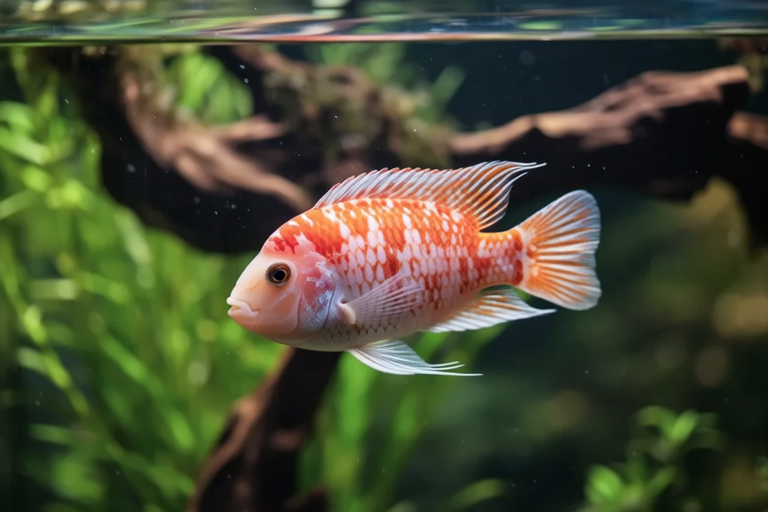
How to Care for Your Parrot Fish Like a Pro
Welcome to the fascinating world of parrot fish care! These vibrant, hardy fish are a popular choice among aquarists due to their striking colors and relatively easy care requirements. However, to ensure your parrot fish thrives, it’s crucial to understand its specific needs and provide an optimal environment. This guide will walk you through setting up the perfect aquarium, maintaining water quality, feeding properly, preventing health issues, choosing suitable tank mates, and establishing regular care routines.
Setting Up the Ideal Aquarium Environment
The first step in caring for your parrot fish is creating a comfortable living space. Start by selecting an appropriately sized tank; a minimum of 30 gallons is recommended for a single parrot fish. Larger tanks allow more swimming space and help maintain stable water conditions. Position your tank away from direct sunlight and drafts to prevent excessive algae growth and temperature fluctuations.
Substrate selection is vital as parrot fish have a tendency to sift through gravel. Opt for medium-sized, smooth pebbles that are easy on their mouths and digestive systems. Decorations should be sturdy but not sharp, providing hiding spots and enhancing the aesthetic appeal of your aquarium.
Adequate filtration is key to maintaining water quality. Choose a filter with a flow rate of four to six times the volume of your tank per hour. Regular water changes—about 10% weekly—are also essential to keep toxins at bay.
Water Quality Maintenance
Parrot fish thrive in slightly alkaline water with a pH range of 7.0 to 8.4. Maintain hardness levels between 10 and 20 dH. Regular testing using reliable test kits is necessary to monitor these parameters.
Temperature control is equally important, as parrot fish prefer water temperatures between 76°F and 82°F (24°C to 28°C). A heater with a built-in thermostat can help maintain consistent warmth.
Weekly partial water changes (10-20%) combined with regular cleaning of the filter media and substrate are critical for long-term water quality. Skimmers and carbon filters can further enhance water clarity and reduce harmful substances.
Appropriate Diet and Feeding Schedules
Feeding parrot fish a balanced diet ensures they remain healthy and vibrant. Their omnivorous nature means they require a mix of plant-based foods and protein sources. High-quality pellets formulated for cichlids or omnivores form the base of their diet. Supplement this with fresh vegetables like zucchini, peas, and spinach, and occasional treats of brine shrimp or bloodworms.
Feed your parrot fish twice daily, offering amounts they can consume within a few minutes. Overfeeding can lead to poor water quality and obesity. Monitor their eating habits closely and adjust portions accordingly.
Common Health Issues and Prevention Tips
Despite being generally robust, parrot fish can suffer from certain ailments if not cared for properly. Common issues include fin rot, ich, and swim bladder disorders. Early detection and treatment are crucial for recovery.
To prevent health problems, quarantine new additions to the tank for several weeks before introducing them to established communities. Regular water changes and proper nutrition bolster immune systems, reducing susceptibility to diseases.
If signs of illness appear, isolate affected fish and consult with a veterinarian specializing in aquatic animals. Medications designed for freshwater fish may be necessary to treat infections or parasites.
Suitable Tank Mates
Selecting compatible tank mates is essential for maintaining harmony in your aquarium. Parrot fish are semi-aggressive and territorial, especially during breeding seasons. They generally coexist well with robust species that can hold their own.
Good choices include other large cichlids, catfish, and peaceful bottom-dwelling species. Avoid overly timid or delicate fish that might become stressed or injured. Research each potential companion thoroughly to ensure compatibility based on size, temperament, and care requirements.
Regular Care Routines
Maintaining a routine helps keep your parrot fish healthy and happy. Daily observations of behavior and water conditions enable early detection of any issues. Weekly tasks include water changes, cleaning the glass, and checking equipment functionality.
Beyond these basics, monthly checks on equipment such as heaters and filters ensure everything operates efficiently. Biannual deep cleans, including removing decorations and substrate, promote overall tank health.
Understanding your parrot fish’s behavior provides valuable insights into their well-being. Watch for signs of stress or discomfort, such as reduced activity, loss of appetite, or abnormal swimming patterns. Respond promptly to these cues by investigating potential causes and implementing corrective measures.
Conclusion
Caring for parrot fish involves dedication and attention to detail but offers rewarding experiences for those willing to invest time and effort. By setting up the ideal aquarium environment, maintaining excellent water quality, providing a nutritious diet, preventing common health issues, choosing suitable tank mates, and adhering to regular care routines, you can enjoy the beauty and vitality of these magnificent creatures.
Remember, every parrot fish is unique, so tailor your approach based on individual needs and preferences. With patience and commitment, you’ll foster a thriving aquatic community that brings joy and satisfaction for years to come.
