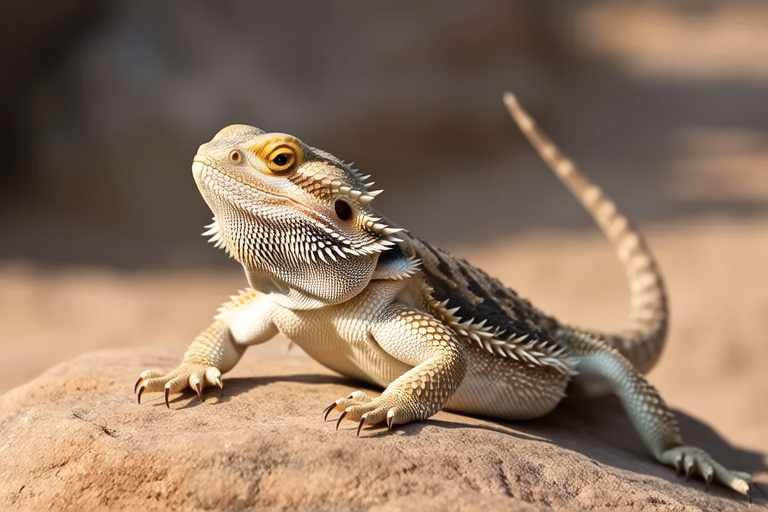
How Your Bearded Dragon is Secretly Communicating with You: Decode Their Signals
Welcome to the fascinating world of bearded dragons! These charismatic reptiles, native to Australia, have captured the hearts of pet owners worldwide with their docile nature and unique behaviors. Known for their distinctive spiky appearance and the ability to change the color of their skin, bearded dragons are not only visually striking but also highly communicative creatures. Understanding their signals can greatly enhance your bond with them and ensure their well-being. In this article, we will delve into the various ways your bearded dragon communicates with you and how you can decode these signals.
The Importance of Decoding Bearded Dragon Signals
Bearded dragons rely heavily on body language and visual cues to communicate their needs and emotions. As a responsible owner, it’s essential to understand these signals to provide the best possible care. By decoding their signals, you can anticipate their needs, recognize signs of stress or illness, and respond appropriately. This knowledge not only ensures their health and happiness but also strengthens the bond between you and your pet.
Physical Signals: Head Bobbing, Arm Waving, and Color Changes
Head Bobbing
One of the most recognizable behaviors of bearded dragons is head bobbing. This action involves the dragon rapidly lowering and raising its head, often accompanied by a puffed-out beard. Head bobbing serves multiple purposes:
- Male Display: Male bearded dragons often engage in head bobbing to assert dominance or attract females during mating season.
- Stress Response: Sometimes, head bobbing can indicate that your dragon is stressed or feeling threatened. If you notice excessive head bobbing, it might be time to review the environment and interactions.
Arm Waving
Arm waving is another intriguing behavior. Your dragon will extend one of its front legs outwards, wave it slowly, and then retract it. This gesture typically signifies:
- Submission: Bearded dragons may wave their arms to show submission, especially towards larger or more dominant individuals.
- Seeking Attention: They might wave when they want attention from you, particularly if they’re hungry or seeking interaction.
Color Changes
Bearded dragons are famous for their ability to change the color of their skin. This adaptation helps them regulate body temperature and communicate various states:
- Darkening: Darker colors absorb more heat, helping the dragon warm up. Conversely, lighter colors reflect heat, aiding in cooling down.
- Signs of Stress: Sudden changes in color, especially to a darker shade, can indicate stress or discomfort.
- Throat Puffing: When combined with darkened beards, throat puffing can signal aggression or stress.
Vocalizations: The Sounds of Communication
While primarily silent, bearded dragons do produce sounds that can convey different messages:
- Hissing: A loud hiss usually indicates fear, anger, or discomfort. It’s a warning sign that you should back off and give your dragon space.
- Purring: Some owners report their bearded dragons making soft purring sounds when relaxed and comfortable, similar to cats.
Observing Patterns in Behavior
Understanding your bearded dragon’s signals requires consistent observation. Pay attention to patterns in their behavior, noting any changes in activity levels, eating habits, or responses to stimuli. Regular interaction and careful observation help you build a deeper connection with your pet. Keep a journal of notable behaviors and any environmental changes to identify triggers and responses accurately.
Fostering a Strong Bond Through Attentive Care
A strong bond with your bearded dragon is built on trust and mutual respect. By decoding their signals, you can respond to their needs effectively, creating a nurturing environment. Here are some tips to foster a strong bond:
- Regular Handling: Gentle handling sessions can help your dragon become accustomed to human touch. Always approach calmly and avoid sudden movements.
- Interactive Feeding: Offering treats during feeding times can strengthen your relationship. Bearded dragons enjoy a variety of foods, including insects and vegetables.
- Proper Environment: Ensure your dragon’s enclosure mimics their natural habitat, with appropriate lighting, temperature, and hiding spots.
In conclusion, bearded dragons are complex and fascinating creatures with a rich array of communication methods. By learning to decode their signals, you can better understand their needs and create a harmonious living environment. Remember, every interaction contributes to building trust and a stronger bond. With patience and attentiveness, you’ll find yourself enjoying a rewarding companionship with your bearded dragon.
