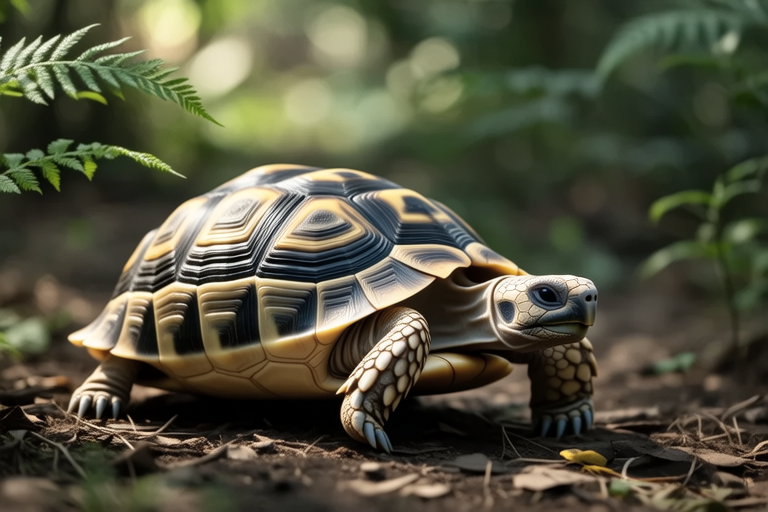
This Tiny Turtle with a Bold Pattern Is Stealing the Show in the Wild
Imagine a creature no bigger than your palm, its shell like a living mosaic of sunlit patterns—stripes like lightning, spots like scattered stars, and swirls that seem to shift under the dappled forest light. This is not a fantasy, but the reality of one of nature’s most captivating little marvels: the Giant River Terrapin’s smaller cousin, the Painted Mud Turtle (Kinosternon scorpioides). Though often overlooked in favor of more flamboyant reptiles, this unassuming turtle has earned its place in the spotlight—not just for its stunning appearance, but for the quiet brilliance of its survival strategy.
— Dr. Elena Marquez, herpetologist and field biologist
The Living Canvas: A Masterpiece on a Miniature Scale
At first glance, the Painted Mud Turtle appears almost too vivid to be real. Its carapace—the upper shell—is a patchwork of deep black, electric yellow, and burnt orange, arranged in bold, irregular patterns that resemble abstract art. The edges of the shell are fringed with thin, jagged lines, like cracked porcelain. But it’s the underside—its plastron—that truly steals the show. Here, the pattern transforms into a dazzling network of bright yellow and white, forming concentric circles and zigzags that seem to pulse under sunlight.
What makes this design even more remarkable is its function. Unlike many turtles whose shells blend into the mud or leaf litter, the Painted Mud Turtle’s markings are anything but camouflaged. Instead, they serve as a form of aposematism—a warning signal to predators. The bold colors scream: *I am not easy prey*. This visual alarm system works because the turtle is known to emit a pungent musk when threatened, combining scent and sight in a powerful deterrent.
But there’s more. When startled, the turtle can rapidly retract its head and limbs into its shell, leaving only the glowing underbelly exposed. In that split second, the flash of yellow and white acts like a sudden burst of light—a momentary distraction, much like the startling eyespots seen in some butterflies. It’s a clever evolutionary trick: confuse the predator long enough to escape.
Where the Wild Things Are: A Hidden World of Swamps and Streams
The Painted Mud Turtle is native to the southeastern United States, primarily found in the wetlands of Florida, southern Georgia, and parts of Alabama and Mississippi. It thrives in slow-moving, shallow waters—swamps, oxbow lakes, cypress sloughs, and muddy ditches where the water barely covers the roots of ancient trees. These are places where sunlight filters through tangled vines and moss-draped branches, creating a dim, dreamlike world beneath the surface.
Unlike its more aquatic relatives, this turtle prefers to stay close to the bottom. It spends much of its time buried in soft, silty mud, using its strong, clawed front legs to dig and burrow—sometimes sinking so deeply that only its nostrils peek above the surface. This behavior helps it avoid both heat and predators. During dry spells, when its favorite pools shrink to puddles, the turtle enters a state called aestivation—a kind of summer dormancy—where it curls up inside its shell and conserves moisture until rain returns.
Despite its preference for murky depths, the Painted Mud Turtle is surprisingly active during twilight hours. As dusk settles and fireflies begin their nightly dance, the turtle emerges to forage, its shell glinting faintly in the fading light. To witness one of these moments is to see nature’s quiet theater unfold—an unseen actor stepping onto a stage lit by moonlight and mist.
Feast or Famine: What Does This Tiny Titan Eat?
Though small, the Painted Mud Turtle is a fierce opportunist. Its diet is as varied as its habitat. It feasts on insects, snails, worms, crayfish, and even small fish—anything that moves within reach. But its true specialty lies in scavenging. It will devour decaying plant matter, fallen fruits, and detritus that others ignore. In doing so, it plays a crucial role in nutrient recycling—breaking down organic material and returning essential elements to the ecosystem.
One of its most fascinating feeding habits involves using its claws not just for digging, but for manipulating food. With surprising dexterity, it can flip over rocks and debris to expose hidden prey. Its jaws, though small, are strong enough to crush hard-shelled snails and insect exoskeletons. This adaptability allows it to survive in environments where resources fluctuate wildly from season to season.
More Than a Pretty Face: The Ecological Role of a Tiny Giant
While it may not command headlines like the alligator or the bald eagle, the Painted Mud Turtle is a vital thread in the ecological web of its wetland home. By consuming insects and invertebrates, it helps regulate populations that could otherwise explode and disrupt balance. Its scavenging habits clean up organic waste, preventing stagnation and reducing disease risk in the water.
Even its presence influences other species. Birds such as herons and kingfishers often stalk these turtles, making them part of the food chain. At the same time, the turtle’s burrowing activity aerates the soil, improving water flow and promoting healthy root systems for aquatic plants. In essence, it’s a silent engineer of wetland health.
And let’s not forget its contribution to biodiversity. This turtle’s unique coloration and behavior make it a magnet for wildlife enthusiasts, photographers, and scientists alike. Its striking appearance sparks curiosity, turning casual observers into advocates for wetland conservation. In a world increasingly disconnected from nature, the Painted Mud Turtle reminds us how beauty can inspire protection.
A Species at Risk: The Quiet Crisis Beneath the Surface
Despite its resilience, the Painted Mud Turtle faces mounting threats. Wetland destruction—drained for agriculture, urban development, and road construction—has wiped out entire habitats. Pollution from pesticides, fertilizers, and runoff continues to poison the very waters it depends on. And climate change is altering rainfall patterns, leading to longer droughts and more intense storms, both of which disrupt breeding cycles and reduce food availability.
Compounding the problem is human fascination. Because of its striking appearance, the turtle is sometimes captured for the pet trade—even though it’s not suited for captivity. Many die in transit or due to improper care. Even well-meaning collectors can inadvertently harm wild populations by removing individuals from fragile ecosystems.
Currently, the International Union for Conservation of Nature (IUCN) lists the Painted Mud Turtle as Near Threatened. While it hasn’t yet reached endangered status, experts warn that without action, its numbers could decline sharply in the coming decades. Its secretive nature makes population monitoring difficult, but signs are clear: fewer sightings, shrinking ranges, and fragmented habitats.
Why This Tiny Turtle Matters: Beauty with Purpose
In a world obsessed with size and spectacle, the Painted Mud Turtle teaches us a powerful lesson: greatness isn’t always loud or large. This tiny creature—no larger than a dinner plate—holds within it an extraordinary story of adaptation, resilience, and ecological importance.
Its bold pattern isn’t just decoration; it’s a survival strategy, a warning, a beacon of identity. It speaks to the ingenuity of evolution—how life finds ways to thrive even in the most challenging corners of the Earth. And in its quiet, muddy world, it reminds us that wonder doesn’t require grandeur. Sometimes, it’s found in the smallest, most unexpected places.
Next time you walk through a swamp or pause beside a sluggish stream, look closely. Beneath the surface, beneath the leaves, in the soft silt—there might be a tiny turtle, its shell aglow with color, watching the world with ancient eyes. If you’re lucky, you’ll catch a glimpse of it. And in that moment, you’ll understand why this little creature is stealing the show.
— Dr. Elena Marquez
So let us not overlook the small. Let us celebrate the bold. Let us protect the painted, the hidden, the quietly vital. For in every flicker of color beneath the mud, there beats a heart of wild, enduring life.
