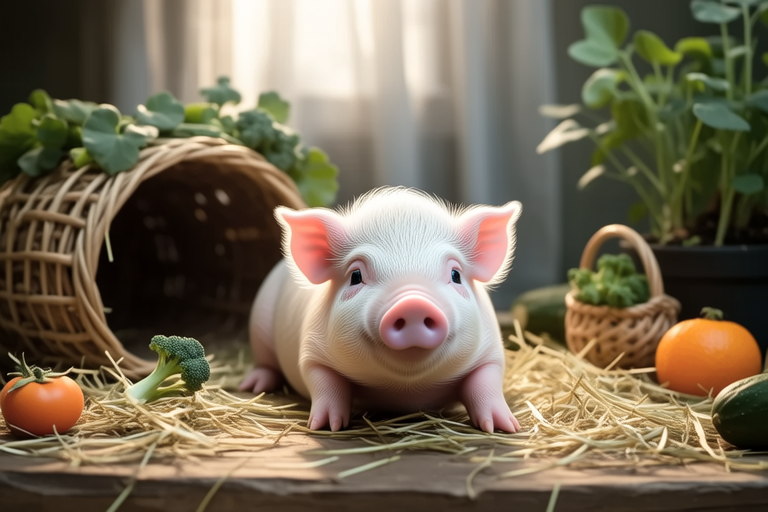
How to Create a Paradise Habitat for Your Happy Guinea Pig
Welcome to the wonderful world of guinea pigs! These adorable creatures bring joy and companionship into our lives. However, creating a paradise habitat for your guinea pig requires careful planning and attention to detail. This comprehensive guide will walk you through everything you need to know about setting up the perfect environment for your furry friend, ensuring they live a long, healthy, and happy life.
Ideal Cage Size and Setup
The first step in creating a paradise habitat is providing your guinea pig with ample space. A spacious cage allows them to move around freely, exercise, and play. The minimum recommended cage size is 7.5 square feet (2 x 3.5 feet) for one guinea pig, but larger is always better, especially if you have more than one. Multi-level cages can provide additional vertical space, encouraging exploration and mental stimulation.
When setting up the cage, ensure it has solid flooring rather than wire mesh to prevent injuries to their delicate paws. Provide a comfortable resting area with soft bedding and a cozy hideaway for privacy and security. Place the cage in a quiet corner away from direct sunlight, drafts, and loud noises.
Appropriate Bedding Materials
Selecting the right bedding material is crucial for your guinea pig’s comfort and health. Avoid cedar and pine shavings, as they can cause respiratory issues. Instead, opt for dust-free, absorbent options like paper-based bedding, recycled paper products, or high-quality wood shavings made from untreated wood. Change the bedding regularly to maintain cleanliness and prevent odors.
Necessary Toys and Accessories
Toys and accessories are essential for keeping your guinea pig mentally and physically stimulated. Provide tunnels, chew toys, and activity centers that encourage exploration and chewing. Guinea pigs love to burrow, so adding hay tunnels or cardboard boxes can satisfy this natural behavior. Rotate toys periodically to keep things interesting and prevent boredom.
In addition to toys, include a food dish, water bottle, and a salt lick for essential minerals. Make sure all accessories are safe, durable, and easy to clean.
Balanced Diet and Feeding Tips
A balanced diet is key to your guinea pig’s overall health. Their diet should consist of unlimited Timothy hay, a small amount of fresh vegetables daily, and a high-quality guinea pig pellet. Vitamin C is particularly important, as guinea pigs cannot produce it themselves. Offer fruits sparingly due to their sugar content.
Feed pellets in moderation, as overfeeding can lead to obesity. Fresh water should be available at all times, and it’s advisable to check the water bottle daily to ensure it’s functioning correctly. Avoid feeding them human snacks, as they may contain harmful ingredients.
Proper Lighting and Temperature Control
Guinea pigs thrive in environments with consistent temperatures between 65°F and 75°F (18°C and 24°C). They are sensitive to extreme temperatures, so avoid placing their cage near windows or drafty areas. Direct sunlight can cause overheating, so position the cage away from direct sunlight.
While they enjoy some natural light, excessive exposure can stress them. Aim for a consistent day-night cycle, with at least eight hours of darkness each night. If necessary, use a timer-controlled lamp to simulate daylight and maintain a stable environment.
Hygiene and Cleaning Routines
Maintaining a clean living environment is vital for your guinea pig’s health. Clean the cage thoroughly once a week, removing all soiled bedding and replacing it with fresh material. Spot-clean daily by removing waste and soiled areas. Regular cleaning prevents the buildup of bacteria and unpleasant odors.
Disinfect the cage and accessories periodically using pet-safe cleaners. Pay special attention to areas where your guinea pig spends most of its time, such as the sleeping area and feeding zone. Always rinse thoroughly and allow the cage to dry completely before reintroducing your guinea pig.
Safety Precautions
Guinea pigs are curious creatures and can get into trouble if given the chance. To ensure their safety, cover any gaps in the cage to prevent escape attempts. Keep electrical cords out of reach and secure any loose wires. Use pet-safe plants and avoid toxic household items.
Supervise your guinea pig during playtime outside the cage to prevent accidents. Ensure the area is free from hazards, such as sharp objects or small items they could ingest. Teach children handling techniques to prevent accidental injury.
Signs of a Healthy and Content Guinea Pig
Observing your guinea pig’s behavior and appearance can help identify any potential health issues early on. A healthy guinea pig is active, alert, and curious. Their coat should be shiny and free from bald spots, and their eyes should be clear and bright. Check their teeth regularly; overgrown teeth can cause discomfort and difficulty eating.
Listen for normal breathing sounds and watch for any unusual drooling, sneezing, or discharge. Regular vet check-ups are also essential for maintaining their health. Early detection and treatment of any issues can prevent more serious complications.
Importance of Regular Interaction and Mental Stimulation
Regular interaction and mental stimulation are vital for your guinea pig’s well-being. Spend quality time with your guinea pig daily, offering gentle petting, talking, and playing. This strengthens your bond and provides emotional support.
Engage your guinea pig with interactive toys, puzzles, and games. Rotate toys periodically to keep them interested and prevent boredom. Consider adopting another guinea pig for company, but ensure they are properly introduced and compatible to avoid conflicts.
Common Mistakes to Avoid
Even experienced pet owners can make mistakes when caring for guinea pigs. Some common pitfalls include overcrowding the cage, using inappropriate bedding, and neglecting regular cleaning. Overfeeding treats and pellets can lead to obesity, while insufficient exercise can result in muscle weakness.
Avoid making sudden changes to their environment or routine, as guinea pigs thrive on consistency. Be mindful of temperature fluctuations and ensure their cage is placed in a suitable location. Regular vet visits and prompt attention to any health concerns are also crucial.
Creating a paradise habitat for your guinea pig involves thoughtful preparation and ongoing care. By following these guidelines, you’ll provide your furry friend with a safe, stimulating, and loving home. Remember, a happy guinea pig is a healthy guinea pig, and their well-being is your top priority.
