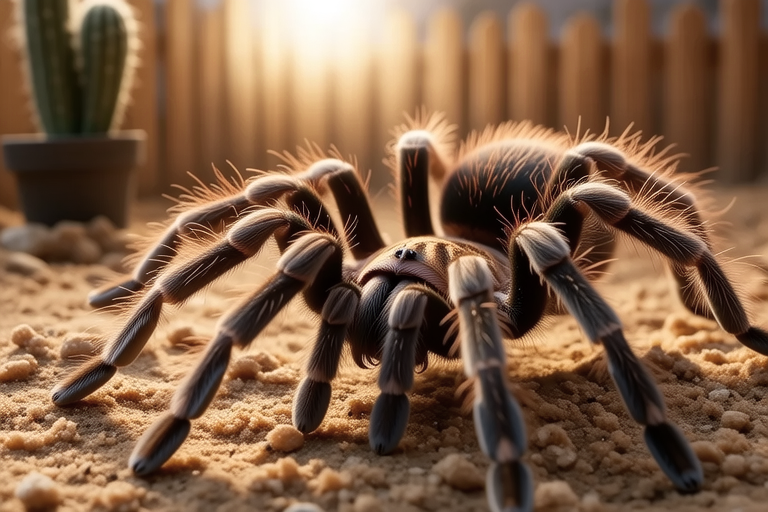
Chilean Rose Tarantula Care Tips: From Beginner to Expert
The Chilean rose tarantula (Grammostola rosea) is a popular choice among spider enthusiasts due to its manageable size, docile temperament, and relatively low maintenance care requirements. Native to the arid regions of Chile, these spiders have adapted to live in burrows in the desert, where they can thrive in temperatures that range from warm to hot. This article will guide you through the essentials of Chilean rose tarantula care, from setting up the perfect enclosure to advanced health monitoring.
Natural Habitat and Behavior
Originating from the deserts of northern Chile, the Chilean rose tarantula thrives in a dry, arid environment. They are terrestrial and nocturnal, spending most of their time in burrows during the day to avoid the heat. Their natural diet consists of small insects and occasionally, small vertebrates. These spiders are generally docile, making them ideal for beginners, though they can become defensive if provoked.
Setting Up the Perfect Enclosure
Enclosure Size
For a single adult Chilean rose tarantula, an enclosure measuring 10 gallons or 20x10x12 inches is sufficient. Juveniles require smaller enclosures, which can be upgraded as they grow.
Substrate
A deep layer of coconut fiber or vermiculite works best as it retains moisture and allows for burrowing. The substrate should be at least four inches deep, enabling the tarantula to dig comfortably.
Temperature and Humidity
Maintain a temperature range between 78°F and 85°F. A daytime high of around 80°F and a nighttime drop to 75°F is ideal. Use a hygrometer to monitor humidity levels, which should be kept between 60% and 80%. Proper heating can be achieved with under-tank heaters or ceramic heat emitters, ensuring even distribution of heat.
Feeding Habits
Chilean rose tarantulas are opportunistic feeders. Feed them crickets, mealworms, and the occasional dubia roach. Juveniles should be fed once every five days, while adults can be fed weekly. Always remove uneaten prey after 24 hours to prevent potential harm to your tarantula.
Handling and Interaction Guidelines
While Chilean rose tarantulas are generally docile, they can be defensive when threatened. Always handle your tarantula with care, using a plastic container or a tarantula hook to gently coax them into the container. Avoid grabbing or pinching them; instead, let them walk onto your hand. Frequent handling can stress the spider, so limit interactions to necessary occasions.
Advanced Care Tips
Health Monitoring
Regularly check for signs of illness, such as lethargy, loss of appetite, or changes in coloration. Keep an eye on the tarantula’s fangs and mouthparts for any abnormalities. Clean the enclosure weekly to prevent the buildup of harmful bacteria and fungi.
Molting Procedures
During molting, the tarantula will shed its exoskeleton. It is crucial not to disturb the spider during this period. Provide a humid hide box filled with moistened substrate to aid the molting process. After molting, ensure the old exoskeleton is removed from the enclosure to prevent infection.
Common Health Issues
Some common health issues include mites, respiratory infections, and regurgitation. Mites can be identified by tiny red or black spots on the tarantula’s body. Respiratory infections may cause labored breathing or bubbling at the mouth. Regurgitation can result from overfeeding or stress. Consult a veterinarian specializing in exotic pets for diagnosis and treatment.
Creating a Stimulating Environment
To ensure the well-being and longevity of your Chilean rose tarantula, mimic their natural habitat as closely as possible. Provide a hiding spot, such as a cork bark or a half-log, and add some artificial plants for additional cover. Introduce a water dish to maintain humidity levels, but ensure it is shallow and easy for the tarantula to access. Regularly rotate toys and hides to keep the enclosure interesting and stimulate natural behaviors.
In conclusion, caring for a Chilean rose tarantula can be a rewarding experience for both beginners and experienced owners. By providing the right environment, proper nutrition, and regular health checks, you can ensure your pet lives a long and healthy life. Remember, patience and respect are key when interacting with your tarantula, ensuring a harmonious relationship that benefits both owner and spider alike.
