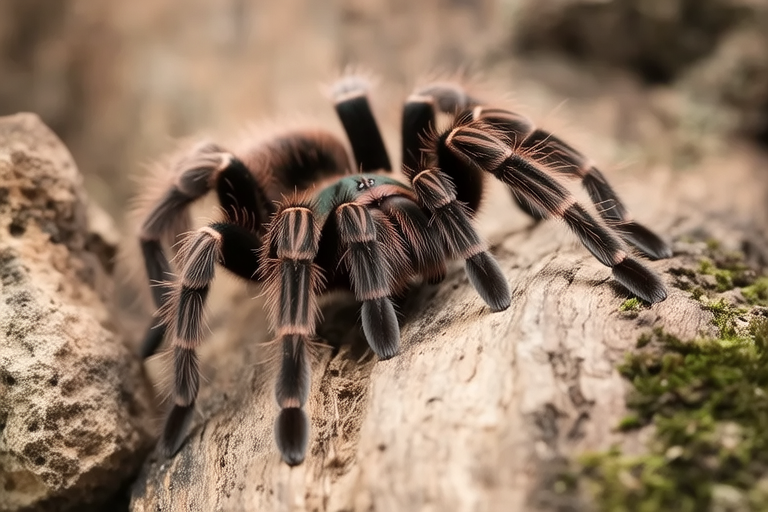
Top Secrets for Keeping Your Chilean Rose Tarantula Happy and Healthy
Welcome to the fascinating world of tarantulas! If you’re considering getting a Chilean rose tarantula as a pet or already have one, you’ve come to the right place. These spiders are popular among beginners and experienced keepers alike due to their docile nature and manageable size. In this comprehensive guide, we will explore essential tips on how to ensure your Chilean rose tarantula lives a happy and healthy life. From habitat setup to handling precautions, this article covers everything you need to know.
Habitat Setup: Creating a Comfortable Home
The first step in keeping your Chilean rose tarantula happy and healthy is providing it with a suitable habitat. A well-designed enclosure mimics the natural environment of these spiders, making them feel at home and reducing stress.
Choosing the Right Enclosure
Chilean rose tarantulas require an enclosure that is tall rather than wide. A tank measuring 10 gallons (approximately 38 liters) is sufficient for an adult tarantula. The height should be around 12 inches (30 cm) or more to allow ample vertical space for climbing. Make sure the enclosure has a secure lid to prevent escapes.
Substrate
Substrate, or bedding material, is crucial for maintaining proper humidity levels and providing a comfortable surface for burrowing. A mix of coconut fiber and peat moss works well, as it retains moisture without becoming soggy. Aim for a depth of about 4 inches (10 cm) to give your tarantula enough room to dig.
Hiding Places and Climbing Structures
Chilean rose tarantulas love to hide and climb. Include cork bark pieces or artificial plants as hiding spots and provide branches or silk vines for climbing. These structures help stimulate natural behaviors and reduce stress.
Temperature and Humidity Control: Maintaining Optimal Conditions
Maintaining the correct temperature and humidity levels is vital for your tarantula’s health. Slight variations can cause stress or even illness, so it’s important to monitor these conditions regularly.
Temperature
Chilean rose tarantulas thrive in temperatures between 75°F and 85°F (24°C and 29°C). Use a heat lamp or under-tank heater to maintain these temperatures. A thermometer placed inside the enclosure allows you to monitor the temperature easily. Avoid placing the enclosure near windows or drafts, which can lead to temperature fluctuations.
Humidity
The ideal humidity range for a Chilean rose tarantula is between 60% and 80%. Mist the substrate lightly every few days to achieve this level. You can also place a shallow water dish in the enclosure, ensuring it is heavy enough not to tip over. This provides a source of moisture for drinking and helps maintain humidity.
Diet Specifics: Feeding Your Tarantula Properly
Feeding your Chilean rose tarantula correctly ensures they receive all the nutrients they need to stay healthy. Their diet consists mainly of live insects, which you can purchase from pet stores or breed yourself.
What to Feed Them
Common feeder insects include crickets, dubia roaches, and mealworms. It’s best to offer prey items that are smaller than the width of your tarantula’s abdomen. Feed adults once every 7 to 10 days, while juveniles may require feeding more frequently. Always remove uneaten prey after 24 hours to prevent potential harm to your tarantula.
Variety in Diet
Offering a variety of prey items can help ensure your tarantula receives a balanced diet. Supplementing with calcium and vitamin powders occasionally can also support their health. Dust the feeder insects with these supplements before offering them to your spider.
Handling Precautions: Ensuring Safety for Both You and Your Pet
While Chilean rose tarantulas are generally docile, they can still bite if they feel threatened. Handling should be done carefully and infrequently to minimize stress.
When to Handle
Handle your tarantula only when necessary, such as during enclosure cleaning or for veterinary checkups. Avoid handling young tarantulas, as they may be more sensitive and less tolerant of disturbances.
Proper Handling Techniques
When handling, gently scoop your tarantula from underneath, supporting its entire body. Avoid grabbing or pinching the legs, as this can cause injury. Place the tarantula on a flat surface and allow it to walk onto your hand if it feels comfortable doing so. Always wash your hands before and after handling to prevent the transfer of oils or chemicals.
Signs of Health: Identifying Potential Issues Early
Regular observation of your tarantula’s behavior and physical condition can help identify any potential health issues early, allowing for prompt treatment.
Normal Behavior
A healthy Chilean rose tarantula is active, eats regularly, and maintains good posture. They may spend time in their burrow or climbing structures, depending on their mood. Regular molting is another sign of good health; expect your tarantula to molt approximately once every few months.
Potential Health Issues
Watch out for signs of distress, such as lethargy, refusal to eat, or abnormal leg movements. Discoloration, particularly dark patches, can indicate infection or injury. If you notice any concerning symptoms, consult a veterinarian specializing in exotic pets for diagnosis and treatment.
Common Misconceptions About Care: Setting the Record Straight
There are several myths surrounding the care of Chilean rose tarantulas that can lead to misunderstandings about their needs. Let’s address some of these misconceptions.
Myth: Tarantulas Don’t Need Water
While tarantulas don’t drink water directly like mammals, they still require moisture in their environment. Providing a shallow water dish and misting the substrate helps maintain the necessary humidity levels.
Myth: Tarantulas Can Survive Without Hiding Places
Chilean rose tarantulas are naturally reclusive and prefer environments where they can retreat into hiding spots. Without adequate hiding places, they may become stressed and exhibit behavioral changes.
Myth: Tarantulas Are Dangerous to Humans
Although tarantulas have venomous bites, their venom is generally harmless to humans. Most bites result in localized pain similar to a bee sting. However, always handle your tarantula with care to avoid triggering a defensive response.
Conclusion: Providing a Lifetime of Love and Care
By following these guidelines, you can ensure your Chilean rose tarantula enjoys a long, healthy life. Remember, each tarantula is unique, so pay close attention to individual preferences and needs. With proper care, your pet will reward you with years of companionship and fascination.
Whether you’re a first-time owner or have been caring for tarantulas for years, there’s always something new to learn. Stay informed, ask questions, and seek advice from fellow enthusiasts or professionals when needed. Together, we can create a supportive community dedicated to the well-being of these amazing creatures.
