Top 10 Fascinating Facts About Chinchillas You Need to Know
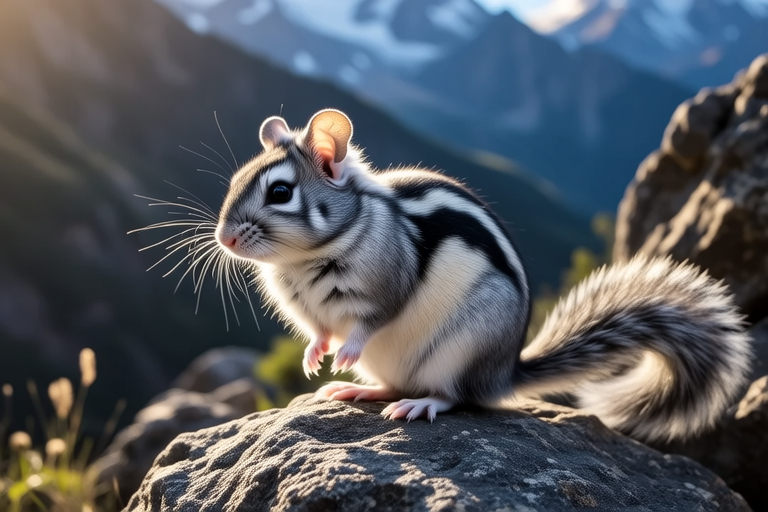
Chinchillas, native to the Andes Mountains of South America, are small rodents with a reputation for being one of the most unique and fascinating pets. Their soft, dense fur, combined with their playful and curious nature, has made them a favorite among animal lovers. Below are ten fascinating facts about chinchillas that will captivate both pet enthusiasts and potential owners.
1. Exceptionally Dense Fur
One of the most striking features of chinchillas is their incredibly dense fur. Each square inch of their skin contains more than 20,000 hairs, making it one of the densest furs found in any mammal. This dense coat provides excellent insulation against the cold mountain climates they inhabit in the wild. Interestingly, this fur density also makes them highly resistant to parasites, as it’s difficult for pests to penetrate or settle into the fur.
2. Unique Grooming Habits
Due to their thick fur, chinchillas have evolved a unique way to clean themselves: dust bathing. Instead of water, they roll around in fine volcanic ash or special dust baths to remove oils and dirt from their coats. This behavior not only keeps their fur clean but also helps prevent fungal infections. Pet owners should provide regular access to dust baths, typically lasting about 15 minutes, to ensure their chinchilla remains healthy and well-groomed.
3. Nocturnal Nature
Chinchillas are primarily nocturnal animals, meaning they are most active during the night. In the wild, this behavior allows them to avoid predators and take advantage of cooler temperatures. As pets, chinchillas may seem inactive during the day, but they are actually conserving energy for their nighttime activities. Owners should respect their natural sleep-wake cycle by limiting daytime disturbances and providing a quiet, dimly lit environment at night.
4. Social Creatures
Contrary to popular belief, chinchillas are quite social animals. In the wild, they live in colonies called herds, which can number in the hundreds. These herds offer protection from predators and provide companionship. As pets, chinchillas benefit greatly from having a companion, especially if they spend a significant amount of time alone. However, introducing new chinchillas requires careful planning to avoid stress or aggression, as they can be territorial.
5. High-Energy Playtime
Chinchillas are known for their high-energy play sessions. They love to jump, climb, and explore their environments, often reaching impressive heights. Providing a safe, enriched environment with plenty of toys and climbing structures is essential for their physical and mental well-being. Chinchillas can leap up to six feet in a single bound, showcasing their agility and athletic prowess. Watching them play is both entertaining and heartwarming for their owners.
6. Sensitive Digestive Systems
Chinchillas have sensitive digestive systems that require a diet rich in fiber. Their diet primarily consists of hay, fresh vegetables, and specialized pellets formulated for their nutritional needs. It’s important to avoid feeding them foods high in sugar or fat, as these can lead to digestive issues such as bloat or diarrhea. Additionally, chinchillas are prone to dental problems due to their constantly growing teeth, so providing them with gnawing materials like wooden chew toys is crucial.
7. Vocal Communication
While chinchillas are generally quiet animals, they do communicate through various vocalizations. They can make soft chirping sounds when content, as well as louder squeaks or whistles when stressed or alarmed. Understanding these vocal cues can help owners respond appropriately to their chinchilla’s needs. For example, a prolonged squeak might indicate pain or discomfort, while a series of rapid chirps could signal excitement or greeting.
8. Adaptation to Cold Climates
Chinchillas are well-adapted to the cold, dry climates of the Andes Mountains. They have a thick layer of fur that acts as an insulator, allowing them to thrive in temperatures below freezing. In captivity, maintaining a cool environment is essential for their health and comfort. Temperatures above 80°F (27°C) can be dangerous, leading to heatstroke. Providing air conditioning or fans during hot weather is necessary to keep your chinchilla safe and comfortable.
9. Long Lifespan
With proper care, chinchillas can live for 15 to 20 years, making them long-term companions for many families. This longevity underscores the importance of understanding their specific needs and providing consistent, high-quality care. Regular veterinary check-ups, a balanced diet, and a stimulating environment are key factors in ensuring a chinchilla enjoys a long and healthy life.
10. Legal Considerations
Before bringing home a chinchilla, it’s important to research any legal restrictions in your area. While chinchillas are widely kept as pets in many countries, some regions have specific regulations regarding exotic animals. Additionally, chinchillas are protected under international wildlife laws due to overhunting in the past. Ensuring you acquire your chinchilla from a reputable breeder who complies with all legal requirements is crucial. This not only ensures the well-being of the animal but also contributes to conservation efforts.
In conclusion, chinchillas are extraordinary creatures with unique characteristics that make them both challenging and rewarding pets. From their luxurious fur and peculiar grooming habits to their social nature and high-energy antics, there is always something new and exciting to learn about these charming rodents. By understanding and respecting their biological needs and behaviors, owners can provide their chinchillas with a happy and healthy life.
