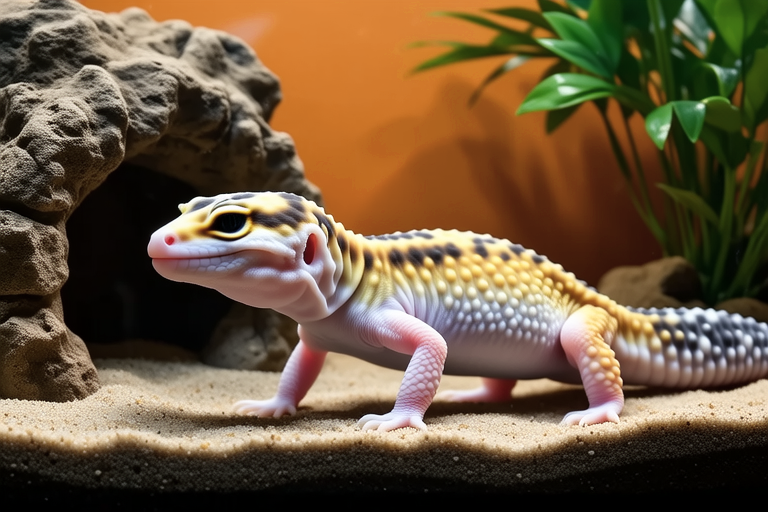
Transform Your Leopard Gecko Habitat with These Creative Ideas
Welcome to the fascinating world of leopard geckos! As one of the most popular reptile pets, these charming creatures require a carefully designed habitat that promotes their health and happiness. In this article, we will explore innovative and practical ways to enhance your leopard gecko’s living space, covering everything from substrate choices to enrichment toys. By the end, you’ll be equipped with the knowledge to create a thriving environment that keeps your gecko active, healthy, and content.
Substrate Choices: A Foundation for Health
The substrate you choose for your leopard gecko’s habitat plays a crucial role in its overall health. It provides a comfortable surface for your gecko to walk, burrow, and rest on. Opting for the right substrate can prevent impaction, a common health issue among reptiles. Common substrate options include paper towels, reptile carpet, and specially formulated sand or calcium-based substrates.
Paper towels are an excellent choice for young geckos or those recovering from illness. They’re easy to clean, hygienic, and prevent ingestion-related issues. However, they lack aesthetic appeal and don’t offer the natural burrowing experience that adult geckos might enjoy. For a more visually appealing option, consider reptile carpets or artificial turf. These materials are non-toxic, easy to clean, and provide a safe burrowing experience.
If you prefer a more natural look, calcium-based substrates like coconut fiber or reptile-safe sands are great choices. Ensure that any substrate you select is free from harmful additives and doesn’t pose a risk of ingestion. Regular cleaning and monitoring are essential to maintain a healthy environment.
Temperature Gradients: Creating Comfort Zones
Leopard geckos are ectothermic, meaning they rely on external sources to regulate their body temperature. Providing a temperature gradient within the habitat is vital for their thermoregulation. This involves creating a warm basking area and a cooler retreat area. The ideal temperature range for a leopard gecko’s habitat is between 78°F (26°C) and 90°F (32°C).
To achieve this gradient, you can use under-tank heaters (UTHs), heat mats, or ceramic heat emitters. Place the warmer side at one end of the enclosure and the cooler side at the other. Position a digital thermometer with multiple probes to monitor temperatures accurately. Always ensure that the heating source is secure and placed away from direct contact with the gecko to avoid burns.
Maintaining the correct temperature gradient is crucial for your gecko’s digestion, metabolism, and overall health. A properly heated habitat ensures that your gecko remains active, eats well, and digests food efficiently.
Hide Spots: Essential for Stress Reduction
Leopard geckos are naturally shy and nocturnal animals. Providing them with ample hiding spots throughout the habitat is essential for their stress reduction and overall well-being. Hides should be dark, cozy, and spacious enough for your gecko to fully enter and feel secure. You can purchase commercially available hides or create DIY versions using terracotta pots, cardboard boxes, or plastic containers with entry holes cut out.
Position hides in various locations within the habitat to encourage exploration and provide different temperature zones. Ensure that the hides are stable and won’t tip over, which could cause injury. Offering multiple hide spots also helps in reducing territorial behavior and promoting social interaction if you have multiple geckos.
Creating a rich, varied environment with numerous hiding places allows your gecko to feel safe and secure, leading to reduced stress levels and enhanced mental health.
Lighting Solutions: Promoting Natural Behavior
While leopard geckos are primarily nocturnal, providing them with appropriate lighting is still important. Proper lighting helps simulate day and night cycles, promoting natural behaviors and ensuring adequate vitamin D synthesis. Use a low-wattage UVB light bulb, specifically designed for reptiles, to provide essential ultraviolet radiation. Position the light above the enclosure but outside the mesh top to avoid overheating the habitat.
Ensure that the UVB light is replaced every six months, as the bulbs lose effectiveness over time. Supplement the UVB lighting with a low-wattage red or blue bulb to provide gentle night-time illumination without disturbing your gecko’s sleep patterns. This type of lighting allows you to observe your gecko’s nocturnal activities while minimizing stress.
Proper lighting enhances your gecko’s quality of life by supporting its natural behaviors and physiological needs. It also aids in maintaining a balanced circadian rhythm, contributing to better overall health.
Enrichment Toys: Stimulating Mental and Physical Activity
To keep your leopard gecko mentally and physically stimulated, incorporate enrichment toys into its habitat. These items promote exploration, problem-solving, and physical activity, preventing boredom and obesity. Suitable toys include cork bark pieces, driftwood branches, and artificial plants. These elements add visual interest and provide climbing opportunities, encouraging your gecko to move around and exercise.
For added fun, consider offering edible treats like waxworms or mealworms hidden within the habitat. This encourages foraging behavior and mimics hunting in the wild. Rotate toys periodically to maintain novelty and interest, ensuring continuous engagement and stimulation.
Incorporating enrichment toys into your gecko’s habitat offers numerous benefits, including improved cognitive function, enhanced physical fitness, and increased happiness. It also strengthens the bond between you and your pet through interactive play.
Maintaining Hygiene and Ensuring Safety
Regular cleaning and maintenance are crucial for keeping your gecko’s habitat hygienic and safe. Remove waste daily and spot-clean the substrate as needed. Perform a thorough deep clean every two weeks, removing all substrate and accessories. Disinfect surfaces with a reptile-safe cleaner, rinse thoroughly, and allow the habitat to dry completely before replacing the substrate and decorations.
Inspect the habitat regularly for signs of wear and tear, such as loose hardware or frayed wires. Replace any damaged items immediately to prevent accidents. Ensure that all heating devices and lighting fixtures are securely mounted and away from direct contact with your gecko.
Maintaining a clean and safe environment is essential for your gecko’s health and well-being. It prevents the buildup of harmful bacteria, reduces the risk of infections, and ensures a comfortable living space.
DIY Ideas for Budget-Conscious Owners
Creating a high-quality habitat doesn’t have to break the bank. With a little creativity and effort, you can design a functional and attractive home for your leopard gecko using affordable materials. Here are some DIY ideas:
- Custom Hide Spots: Craft hides from recycled materials like empty toilet paper rolls, paper towel rolls, or small cardboard boxes. Decorate them with paints or markers for added visual appeal.
- DIY Climbing Structures: Build simple climbing structures using bamboo stakes or wooden dowels. Arrange them in a pyramid shape or staggered pattern for varying heights and difficulty levels.
- Homemade Water Bowls: Repurpose shallow bowls or saucers from thrift stores or garage sales. Ensure they are reptile-safe and provide a stable base to prevent tipping.
By incorporating DIY elements into your gecko’s habitat, you can save money while still providing a stimulating and enriching environment. These projects also offer a rewarding opportunity to engage with your pet and showcase your creativity.
The Benefits of a Well-Designed Environment
A thoughtfully designed habitat significantly improves your leopard gecko’s overall well-being. A well-maintained environment supports optimal health, promotes natural behaviors, and enhances your pet’s quality of life. When all the elements – substrate, temperature, hides, lighting, and enrichment toys – are carefully considered and implemented, your gecko will thrive in a stimulating and safe space.
Investing time and effort into creating a superior habitat leads to a happier, healthier, and more active gecko. This, in turn, strengthens the bond between you and your pet, fostering a rewarding companionship that lasts a lifetime.
