Top 10 Fascinating Facts About Parrot Fish You Didn’t Know
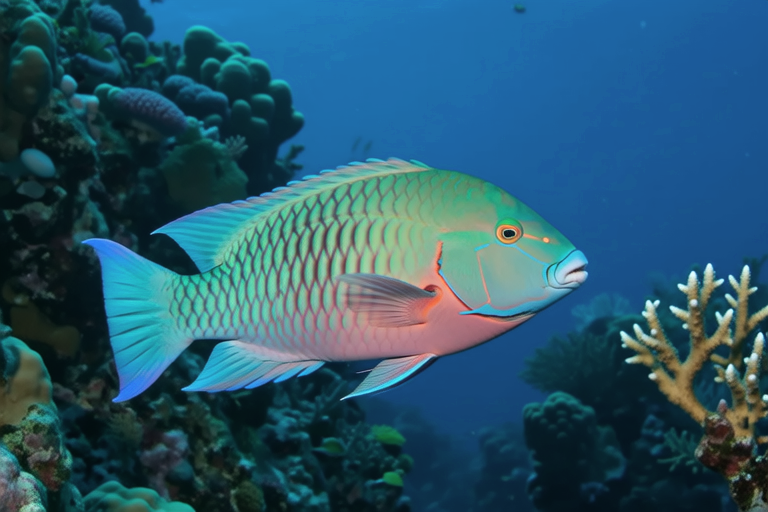
Parrotfish are some of the most colorful and captivating creatures in the ocean, known for their vibrant hues and unique behaviors. Found in tropical and subtropical waters around the world, these fish play a crucial role in maintaining coral reef ecosystems. From their ability to change sex to their remarkable sleeping habits, there’s much more to these fascinating fish than meets the eye. Dive into the top 10 fascinating facts about parrotfish you didn’t know.
1. They Have a Unique Sleeping Habit
One of the most intriguing aspects of parrotfish is their nightly sleep routine. These fish secrete a thick, mucous cocoon around themselves before they rest. This cocoon acts as a protective barrier, masking their scent from predators like sharks and eels. The secretion process takes about 30 minutes, during which the fish releases a mucus that envelops them entirely. Scientists believe this behavior helps deter parasites and predators, ensuring a safer night’s sleep. Studies have shown that the chemical composition of this mucus can also serve as a deterrent to certain bacteria, further enhancing the fish’s survival rate.
2. Their Teeth Are Designed Like a Beak
Parrotfish are named after their beak-like mouths, which are adapted for scraping algae off rocks and coral. Their teeth are fused together in rows, forming a strong, sharp beak. This adaptation allows them to efficiently break down coral and rock, aiding in the digestion of algae. Interestingly, these fish can produce up to 400 kg of sand per year through their feeding and excretion processes, contributing significantly to the formation of islands and beaches. This process highlights the ecological importance of parrotfish in maintaining healthy marine environments.
3. They Can Change Sex
Parrotfish exhibit a fascinating trait known as sequential hermaphroditism, meaning they can change sex throughout their lives. Most species start as females and later become males, but some begin as males and transition to females. This phenomenon is crucial for population dynamics and genetic diversity. In some species, the largest individual in a group may undergo a transformation into a male, often accompanied by a dramatic color change. This behavior ensures reproductive success and helps maintain the balance within their social structures.
4. Their Coloration Changes With Age
The vibrant colors of parrotfish are not just for show; they serve important functions in communication and camouflage. As these fish age, their coloration changes dramatically. Juveniles are typically more subdued in color, blending into their surroundings to avoid predation. However, as they mature, they develop striking patterns and hues, which can indicate dominance, readiness to mate, or territory ownership. These visual signals play a critical role in social interactions and reproduction among parrotfish populations.
5. They Help Maintain Coral Reefs
Parrotfish are vital for the health of coral reefs, acting as natural gardeners. By grazing on algae, they prevent overgrowth that could smother corals. This activity promotes coral growth and biodiversity within the reef ecosystem. Research has shown that areas with high parrotfish populations tend to have healthier coral colonies, indicating the significant impact these fish have on reef sustainability. Their feeding habits also contribute to the recycling of nutrients, further supporting the delicate balance of marine ecosystems.
6. They Have a Specialized Digestive System
The digestive system of parrotfish is highly specialized to cope with their diet of coral and algae. Their stomachs contain a series of compartments that help break down the tough calcium carbonate found in coral. Enzymes in their digestive tract further assist in processing these materials, making it possible for them to extract nutrients from what would otherwise be indigestible. This unique adaptation underscores the evolutionary complexity of these fish and their pivotal role in reef ecology.
7. They Can Be Quite Vocal
Parrotfish are surprisingly vocal creatures, producing sounds that range from grunts to chirps. These noises are used for communication, especially during mating season. Males often emit loud calls to attract females and establish territories. Scientists have recorded various vocalizations that seem to correspond with different behaviors, suggesting a complex system of acoustic communication. Understanding these sounds can provide valuable insights into the social interactions and reproductive strategies of parrotfish.
8. They Are Highly Social Creatures
Parrotfish are known for their social behavior, often schooling together for protection against predators. These schools can consist of hundreds of individuals, creating a visually stunning spectacle underwater. Within these groups, there is a hierarchy based on size and coloration. Larger, more brightly colored males usually dominate, while smaller fish play subordinate roles. This social structure is essential for maintaining order and cooperation within the group, ensuring the survival of its members.
9. They Face Threats From Overfishing
Despite their importance to marine ecosystems, parrotfish populations are under threat due to overfishing. Many species are targeted for their meat, which is considered a delicacy in some parts of the world. Additionally, habitat destruction and pollution further exacerbate the challenges these fish face. Conservation efforts are crucial to ensure the survival of parrotfish populations and the health of the reefs they inhabit. Protecting these fish not only benefits their species but also supports the broader marine environment.
10. They Play a Role in Climate Change Mitigation
In addition to their ecological significance, parrotfish indirectly contribute to climate change mitigation. By maintaining healthy coral reefs, they help absorb carbon dioxide from the atmosphere. Healthy reefs act as carbon sinks, storing large amounts of carbon that would otherwise contribute to global warming. Therefore, preserving parrotfish populations is essential for addressing climate change and sustaining marine biodiversity.
The Significance of Understanding Parrotfish for Marine Conservation
Understanding the unique characteristics and behaviors of parrotfish is crucial for effective marine conservation efforts. Their role in maintaining coral reefs, recycling nutrients, and contributing to beach formation highlights their importance in marine ecosystems. By studying these fascinating creatures, we can better appreciate the intricate balance of life in our oceans and take steps to protect them. Conservation initiatives aimed at preserving parrotfish populations not only safeguard these beautiful fish but also support the overall health of our planet’s marine environments.
