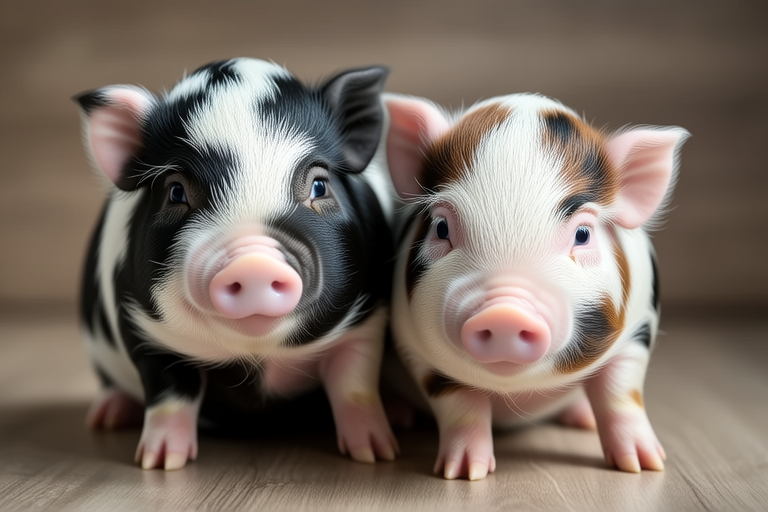
Guinea Pigs: The Ultimate Guide to Choosing the Perfect Pet Companion
Welcome to the wonderful world of guinea pigs! These delightful creatures make fantastic companions for families and individuals alike. Before you bring one home, it’s important to understand their unique needs and behaviors. This guide will walk you through everything you need to know about choosing, caring for, and bonding with your new pet.
Understanding Guinea Pig Behavior
Guinea pigs are social animals that thrive on interaction and companionship. They are generally gentle and easygoing, but each has its own personality. Some may be more outgoing and playful, while others might prefer a quieter environment. Understanding these differences can help you provide the best care for your pet.
Guinea pigs communicate through vocalizations like chirping, squeaking, and purring. They also use body language to express themselves, such as standing up on their hind legs to investigate something new or flattening their ears when they feel threatened.
It’s essential to handle your guinea pig gently and regularly from an early age to ensure they remain comfortable around people. Always support their entire body when holding them, and never pick them up by the ears or tail.
Dietary Needs
A balanced diet is crucial for maintaining your guinea pig’s health. Their digestive systems require constant access to hay, which aids digestion and keeps their teeth worn down. Timothy hay is ideal for adult guinea pigs, while younger ones can benefit from alfalfa hay due to its higher calcium content.
In addition to hay, guinea pigs need a good quality commercial pellet designed specifically for their species. These pellets should be fresh and free from mold or contaminants. Fresh vegetables and fruits should be offered daily in moderation, ensuring variety to meet nutritional needs. Avoid feeding them too many sugary treats, as this can lead to obesity and other health issues.
Guinea pigs cannot produce vitamin C internally, so it must be supplemented through their diet. Dark leafy greens like kale and spinach, along with citrus fruits, are excellent sources of this vital nutrient.
Housing Requirements
Proper housing ensures your guinea pig feels safe and comfortable. A spacious cage is necessary; at minimum, it should measure 7.5 square feet for two guinea pigs. Bigger is always better, allowing ample room for running, playing, and exploring.
The cage should have solid flooring to prevent injury from wire bottoms and include multiple levels for climbing and hiding. Provide soft bedding material like shredded paper or fleece liners instead of wood shavings, which can irritate their respiratory system.
Ensure the living area remains clean and dry by spot cleaning daily and performing thorough cleanings weekly. Place the cage away from direct sunlight and drafts, maintaining a consistent temperature between 65°F and 75°F (18°C to 24°C).
Health Care Basics
Regular veterinary check-ups are vital for keeping your guinea pig healthy. Schedule annual visits beginning when they reach six months old, focusing on preventive care and addressing any concerns early. Your vet can recommend vaccinations, parasite control measures, and appropriate grooming practices.
Monitor your pet closely for signs of illness, including lethargy, loss of appetite, runny nose, or changes in bathroom habits. Prompt action can prevent minor issues from becoming serious problems. Maintain good hygiene by washing hands before handling your guinea pig and after cleaning its cage.
Grooming plays a significant role in maintaining your guinea pig’s appearance and overall well-being. Brush their fur weekly using a soft bristle brush to remove loose hair and prevent mats. Trim nails every few weeks if needed, ensuring you don’t cut into the quick, causing discomfort or bleeding.
Selecting a Healthy Guinea Pig
When choosing a guinea pig from a breeder or shelter, look for active animals with clear eyes, clean noses, and smooth coats. Avoid those showing signs of illness or injury. Check for proper weight by gently feeling their ribs; they should feel easily palpable without being overly thin.
Ask questions about the animal’s background, including vaccination history, diet, and behavioral tendencies. Spend time observing potential pets to gauge their temperament and comfort level around humans. If possible, select siblings or pairs already bonded together, promoting companionship and reducing stress during acclimation.
Socializing and Bonding
Bonding with your new friend takes time and patience. Start by spending quiet moments near the cage, speaking softly and offering treats to build trust. Gradually increase interactions, handling them carefully under supervision.
To encourage bonding, establish routines such as feeding times or play sessions. Guinea pigs enjoy predictability and consistency, helping them feel secure within their environment. Introduce toys and tunnels for enrichment, stimulating mental engagement and physical activity.
If introducing multiple guinea pigs, allow them to get acquainted slowly through separate cages placed close together initially. Gradually introduce supervised playtime until they show signs of acceptance and coexistence.
Common Mistakes to Avoid
Avoid overcrowding the cage, limiting space for movement and increasing stress levels. Overfeeding sugary snacks can lead to obesity and dental issues. Failing to monitor health closely might delay treatment for underlying conditions.
Ignoring environmental enrichment deprives your pet of necessary stimulation, potentially leading to boredom-related behaviors. Lastly, neglecting regular veterinary care puts your guinea pig at risk for preventable illnesses.
By following these guidelines, you’ll create a loving home where your guinea pig can flourish. Remember that every animal is unique, requiring individual attention and care tailored to their specific needs. With dedication and love, you’ll form a strong bond with your new furry companion.
