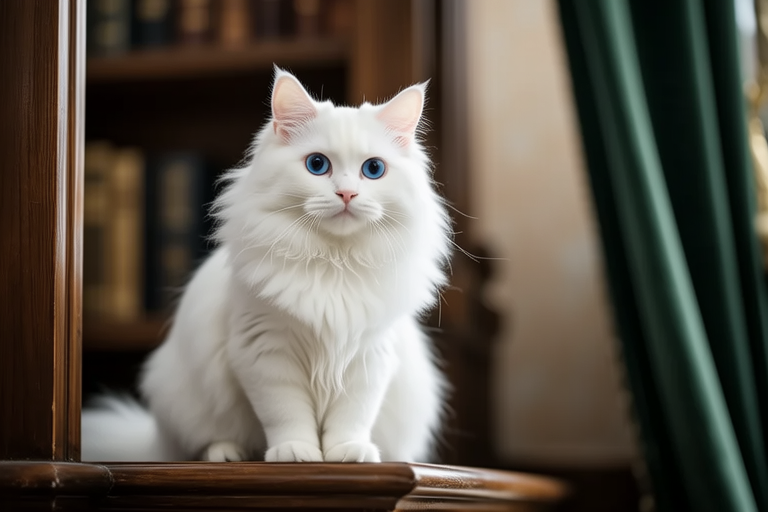
Unveiling the Grace and Mystery of Turkish Angoras
The Turkish Angora, a breed steeped in history and cultural significance, has captivated the hearts of cat enthusiasts worldwide. This elegant and mysterious breed has roots that trace back to ancient times in Turkey, where they have been revered for centuries. Known for their striking beauty and playful yet affectionate nature, Turkish Angoras are more than just cats; they are living pieces of art.
Historical Origins and Cultural Significance
The Turkish Angora’s history is as rich and diverse as its coat. Originating from the Ankara region in central Turkey, this breed has been documented as early as the 16th century. These cats were often found in the wild, roaming the streets of Istanbul and other major cities, becoming an integral part of the local landscape. Their presence in Turkish culture is deeply rooted, symbolizing grace, elegance, and mystery.
During the Ottoman Empire, Turkish Angoras were considered royal pets, often kept in harems and palaces. They were admired for their beauty and were sometimes given as gifts to foreign dignitaries, further spreading their fame across the world. Today, they remain a national treasure in Turkey, with many breeders working tirelessly to preserve and promote the breed.
Distinct Physical Traits
One look at a Turkish Angora, and it’s easy to see why they are so admired. With their slender, graceful bodies, these cats exude elegance. They have long legs, a fine-boned structure, and a wedge-shaped head that adds to their regal appearance. Their eyes, typically almond-shaped, come in a variety of colors, including blue, green, gold, and odd-eyed (one blue and one gold).
Perhaps the most striking feature of the Turkish Angora is its coat. The fur is silky, soft, and semi-longhaired, with no undercoat. This gives them a sleek, lustrous appearance that is both beautiful and functional. While white is the most common color, Turkish Angoras can also be found in various shades of black, red, tabby, and tortoiseshell. The lack of an undercoat means they shed less than other long-haired breeds, making them a relatively low-maintenance option for cat lovers.
Temperament: Playful Yet Affectionate
Turkish Angoras are known for their playful and energetic personalities. They are curious creatures, always ready to explore new environments and engage in interactive play. This breed thrives on mental stimulation, making puzzle toys and games a great way to keep them entertained. However, they are not just about fun; Turkish Angoras are also highly affectionate and bond closely with their owners.
These cats enjoy spending time with their human companions, often following them around the house and seeking out attention. They are vocal, but not overly so, and their meows are typically soft and melodious. Turkish Angoras are social animals and tend to get along well with other pets, including dogs, making them a great addition to families with multiple animals.
Myths and Legends
Like many ancient breeds, Turkish Angoras are surrounded by myths and legends that add to their mystique. One popular tale involves the Turkish Angora’s connection to the goddess Bastet, an Egyptian deity associated with cats. According to the myth, Bastet once visited Turkey and left behind her divine cats, which evolved into the Turkish Angora we know today. Another legend tells of a Turkish Angora that saved its owner from a dangerous situation, cementing the breed’s reputation as loyal and protective.
Care Tips for Owners
Owning a Turkish Angora requires a commitment to proper care and maintenance. While they are generally healthy cats, there are some specific considerations to keep in mind.
Dietary Needs
Turkish Angoras require a balanced diet rich in protein and essential nutrients. High-quality cat food formulated for their age, size, and activity level is recommended. Fresh water should always be available, and it’s important to avoid overfeeding to prevent obesity. Regular veterinary check-ups are essential to monitor their health and address any potential issues early.
Grooming Routines
Despite their long coats, Turkish Angoras are relatively low-maintenance when it comes to grooming. A weekly brushing session is usually sufficient to remove loose hair and prevent matting. Bathing is rarely necessary unless the cat gets particularly dirty. It’s important to maintain their oral hygiene by brushing their teeth regularly and providing them with dental treats or toys. Clipping their nails and cleaning their ears are also part of regular grooming.
Unique Facts About Turkish Angoras
Turkish Angoras have several unique characteristics that set them apart from other cat breeds:
- Heat Sensitivity: Due to their lack of an undercoat, Turkish Angoras are sensitive to extreme temperatures. They thrive in moderate climates and may need extra warmth during colder months.
- Eyesight: These cats have exceptional night vision, thanks to their large, almond-shaped eyes. This makes them excellent hunters, even in low-light conditions.
- Longevity: Turkish Angoras are known for their longevity, often living into their late teens or even early twenties.
- Vocalization: While not overly talkative, Turkish Angoras have a distinctive, melodic voice that is often described as soothing.
In conclusion, the Turkish Angora is a breed that combines grace, mystery, and charm. From their ancient origins in Turkey to their current status as beloved pets worldwide, these cats have captured the hearts of many. Their distinct physical traits, playful yet affectionate nature, and rich history make them a fascinating subject for anyone interested in the world of cats. Whether you’re a seasoned cat lover or just beginning your journey into feline companionship, the Turkish Angora is sure to leave a lasting impression.
